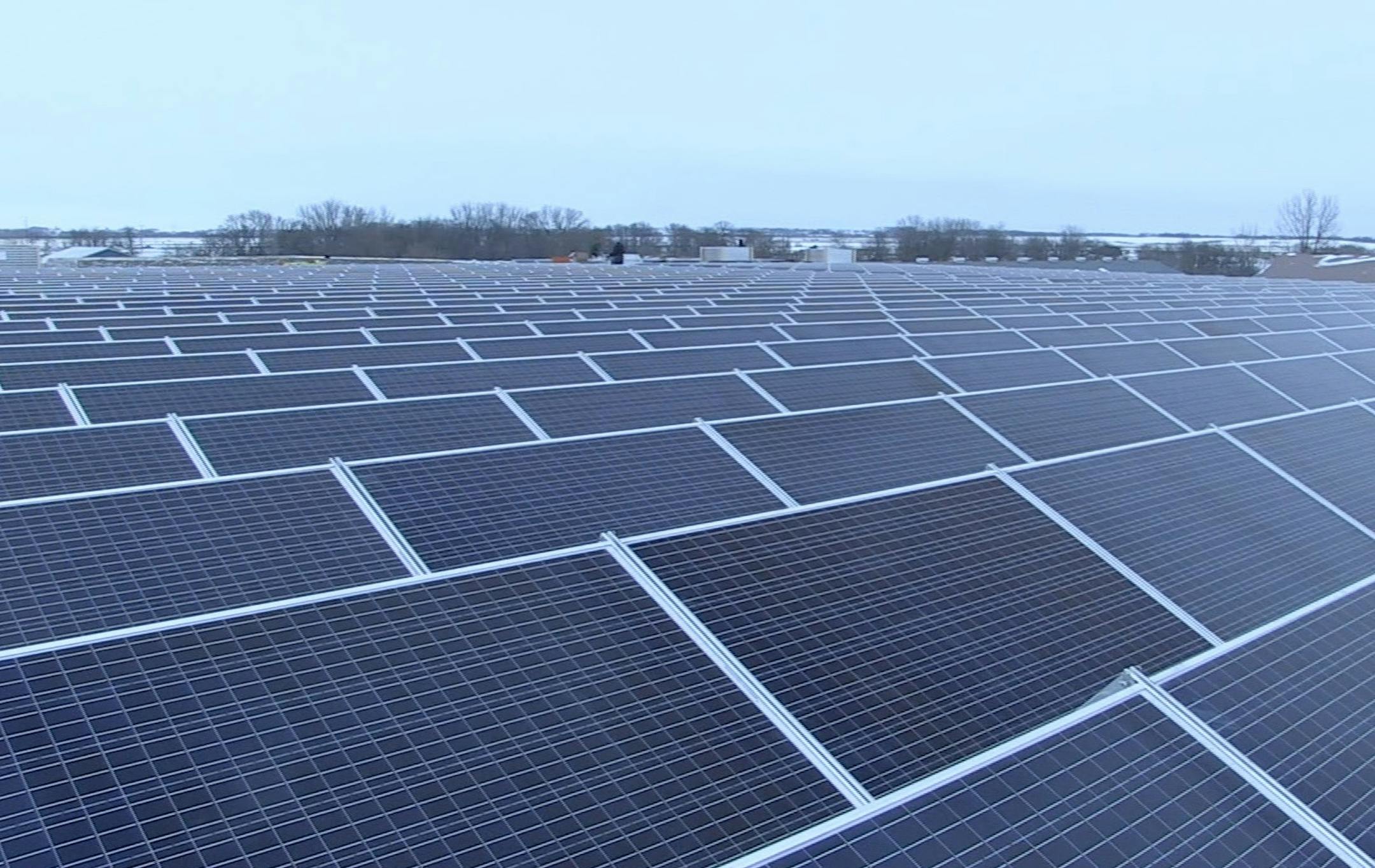
The Red Lake Band of Chippewa in northern Minnesota intends to build enough solar energy capability on tribal lands over the next several years to free itself from electricity generated from fossil fuels.
And, thanks to outside investors who can tap a variety of tax credits, depreciation and deductions, it should cost the tribe very little to eventually become owners of the solar arrays, power-storage units and related equipment.
The project is expected to deliver up to 25 megawatts of power at an installed cost of up to $40 million under a three-phase, several-year plan that would cover three casino rooftops, as well as several tribal corporate buildings, ground arrays and, eventually, house rooftops.
The tribe, which has about 13,000 members living on reservation lands, seeks to reach an environmental-and-economic empowerment goal through generating its own clean energy.
"Renewable energy harnesses the natural forces of life, of nature, which provides the foundation for who we are as native people," Eugene McArthur, the tribe's economic development executive, said at a presentation of the project.
The veteran project developers and the tribe say the deal makes economic and environmental sense.
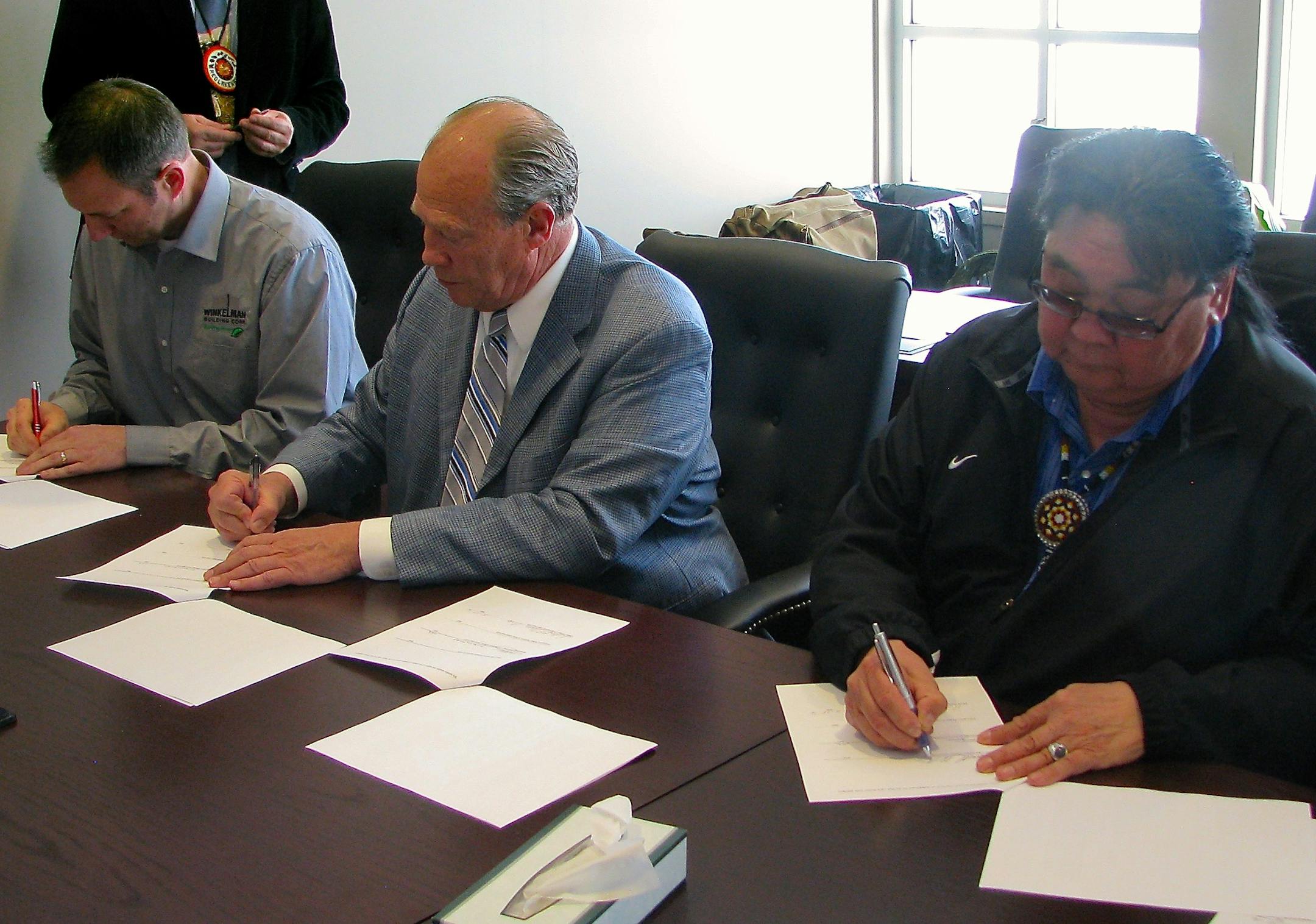
David Winkelman, a solar-project consultant who represents St. Paul-based Innovative Power Systems, a 25-year solar installer, approached the tribe in 2014 and worked with McArthur on the that has been approved by Red Lake Chairman Darrell Seki Sr. and the tribal council.
The first phase involves constructing solar arrays atop three casinos and large tribal buildings, and installing storage batteries. Construction could start as early as next spring, said Winkelman and Robert Olson, a Minneapolis tax lawyer and owner of Olson Energy Corp., another player in the development.