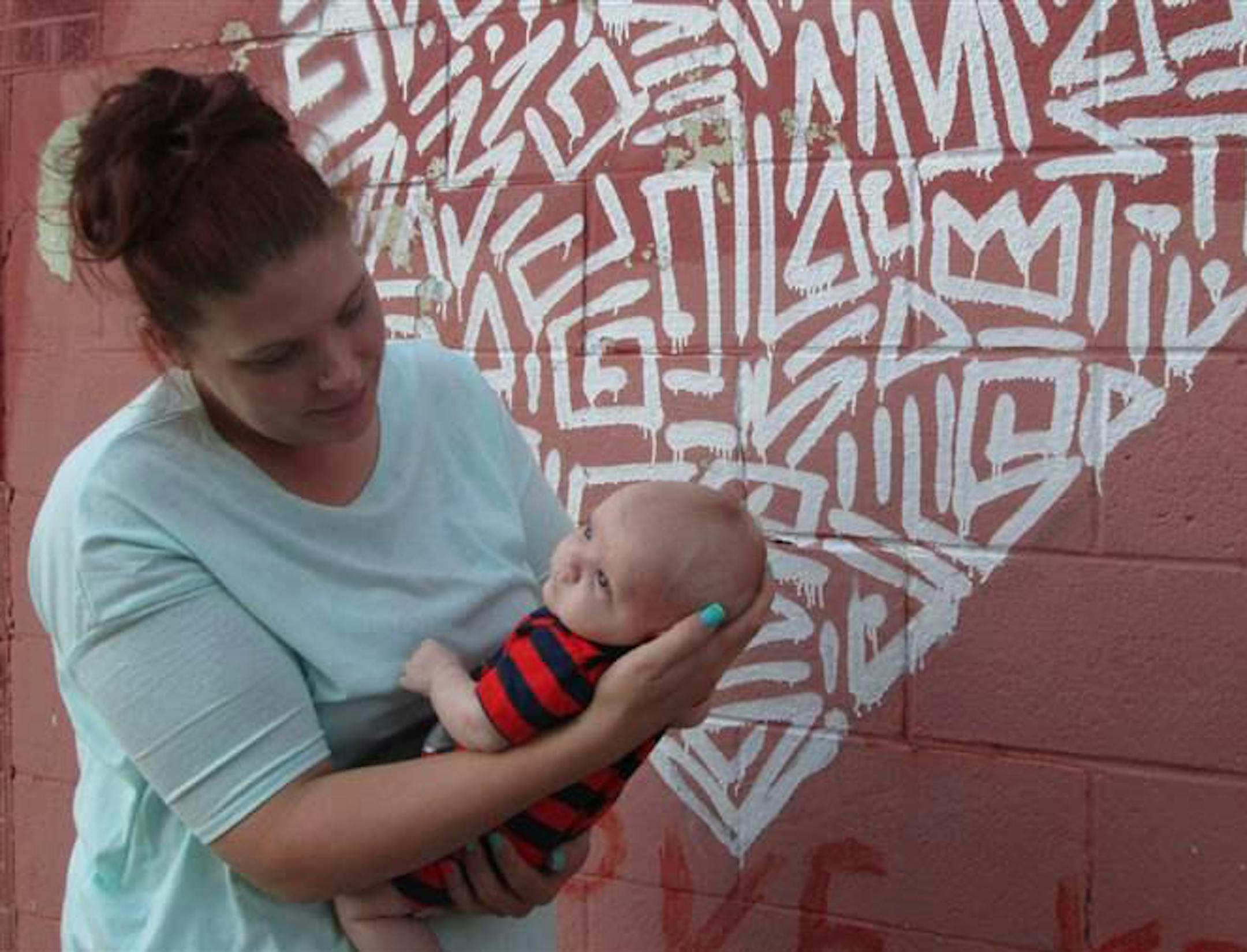
OKLAHOMA CITY – When Stephanie Petitt was arrested for violating probation for prior convictions for drug and robbery offenses, she learned two things: She was 16 weeks pregnant, and she would probably deliver her baby while incarcerated at a prison in Oklahoma.
In most places, an incarcerated woman who gives birth almost immediately hands over her newborn to a social worker, who places the child with a relative or with foster parents. Petitt said she was told she would have an hour to hold her newborn.
Just a few states offer alternatives that allow mother and child to stay together longer. At least eight states have so-called prison nurseries where nonviolent female offenders live with their children for a few months to several years.
But in Oklahoma City, pregnant women who are facing imprisonment for nonviolent offenses can avoid doing time and stay with their children by participating in a program known as ReMerge. The program, which is also open to mothers who have lost custody of their children, includes two years of intensive therapy, parenting classes and job training. Women who complete the program and graduate have charges dropped.
Similar pretrial diversion programs for expecting women and mothers are scattered across the country, many formed at the city or county level. It's difficult to determine exactly how many there are.
But the idea behind them is clear: Diverting women from prison and keeping families together can save money and help break the intergenerational cycle of incarceration. Researchers say that separating children from their mothers causes significant distress, and that children are more likely to end up in prison if they have parents there. With the number of incarcerated women — and the cost of imprisoning them — on the rise, the programs are drawing new attention.
Oregon began a pilot diversion program in 2015, basing it on a Washington state program that serves both mothers and fathers facing incarceration. This year, Oregon extended its program to pregnant women, too. Supporters of the program say that it will allow the state to avoid paying $17 million to construct a new women's facility.
Oklahoma City launched its program in 2011, spurred by Oklahoma's high incarceration rate for women — the highest in the nation, both then and now.