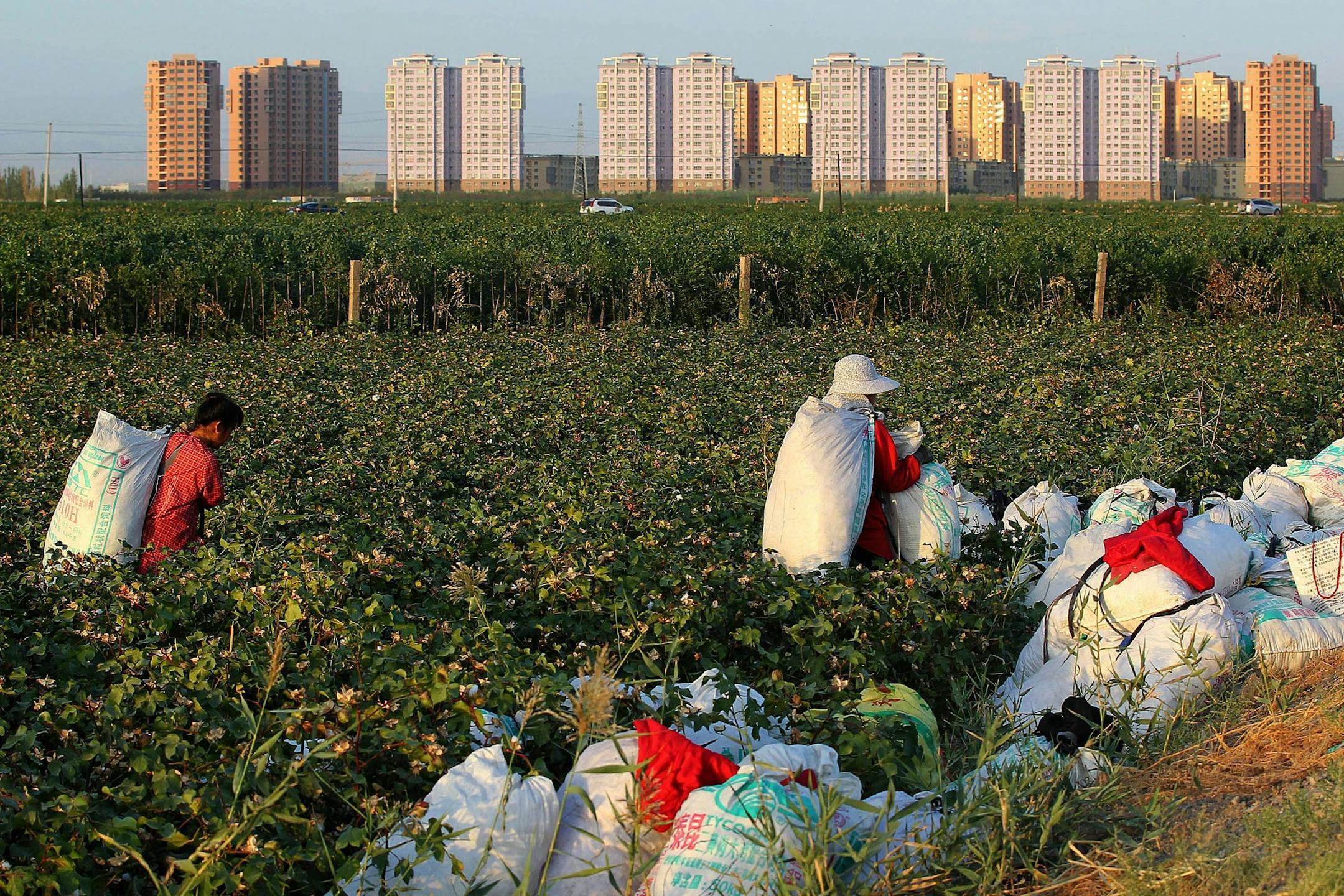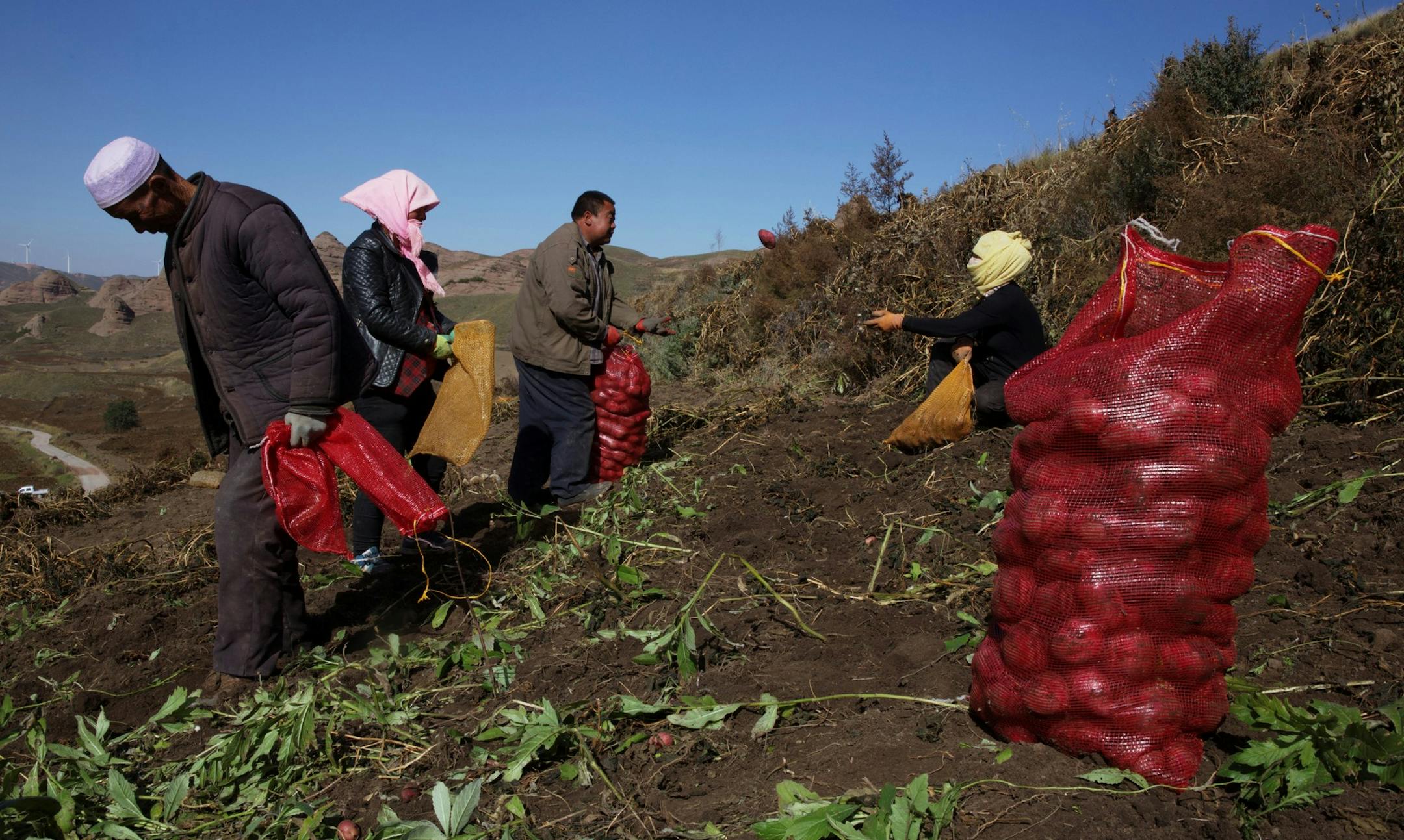
Communist countries have always liked model workers. Zhang Xinsheng is China's latest farmer to be anointed.
He is no gnarled son of the soil but the owner of four companies and a farm where vegetables are grown under plastic sheets.
In 2012, when he set up his agricultural venture in the central province of Henan, it took Zhang six months to amass 130 acres by persuading villagers to lease their plots of land. In 2017, he assembled another 116 acres in half that time — thanks, he told a local newspaper, to rural land reforms. He plans to triple his farm's size and turn the village, Luodian, from a poor grower of grain into a specialist producer of vegetables.
Zhang's story exemplifies a profound transformation in Chinese agriculture that has been unfolding since the 1980s. It involves a shift away from a preoccupation with producing enough grain for the country's needs, toward boosting rural incomes by encouraging farmers to grow more profitable crops and use scarce arable land more efficiently. The government is eager to speed up this change.
It is not proving easy.
China grows enough staples to feed its 1.4 billion people. The rice crop of 2017 was a record. Output of grains has risen more than 40 percent since 2003. Cereal yields per acre are higher than Canada's.
This is a stunning success for a country where millions starved in Mao's Great Leap Forward, and has freed millions from the rural grind to join China's industrial revolution.
But these feats on the farm have come at a cost. China uses twice as much fertilizer and pesticide per hectare as the world average, contributing to catastrophic levels of soil pollution. In northern China, the country's bread basket, wheat farmers use far more water than this bone-dry region can afford or replace. And because food quantity has taken priority over quality, there have been huge food scares.