

Enbridge Energy's plan to replace its "Line 3" pipeline across northern Minnesota is a golden opportunity to get rid of an old, corroded oil conduit, creating thousands of construction jobs in the process.
Or it's a potential menace to the environment — through oil spills — as the new pipeline wends its way through the Mississippi headwaters region, including wild rice lakes sacred to American Indians.
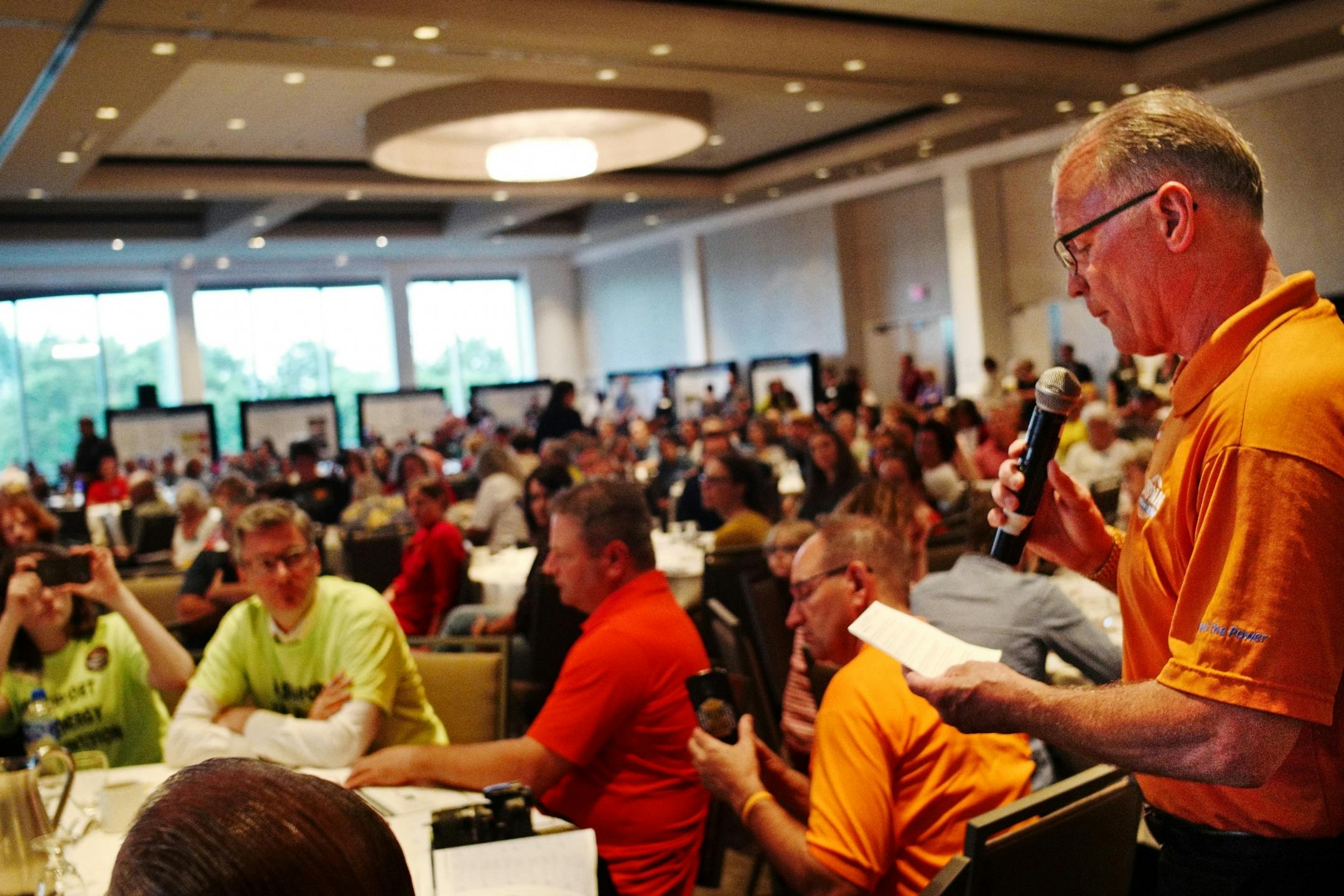
Both views of the proposed $2 billion-plus project were on display Tuesday at dueling news conferences before a public meeting on the topic at the InterContinental St. Paul Riverfront hotel. The meeting was the 11th of 22 citizen input meetings statewide on the 337-mile pipeline, which would carry crude oil from Alberta to Enbridge's terminal in Superior, Wis. Attendance has ranged from 35 to 250 people at the first 10 meetings, with 325 at the St. Paul meeting, officials said.
Calgary-based Enbridge, North America's largest pipeline operator, wants to build a pipeline that would follow the current Line 3 route across northern Minnesota to Clearbrook, but then would jog toward Park Rapids through an area known for pristine waters. The Line 3 replacement is being considered by the Minnesota Public Utilities Commission (PUC), a process that will go into 2018.
"We get four real positives for one project from the business community's standpoint," said Bill Blazar, the Minnesota Chamber of Commerce's senior vice president of public affairs and business development, during a news conference that laid out business support for the Enbridge project.
Enbridge will inject money into the economy and create jobs, he said. Plus, because the pipeline is old and has had some problems, the project also will improve safety along the pipeline and lower the environmental risk of a spill.
Harry Melander, president of the Minnesota State Building and Construction Trades Council, said the pipeline project will create a couple of thousand construction jobs that could last up to nine months.
Rep. Tim Mahoney, DFL-St. Paul and a pipe fitter, said state regulators need to look at the merits of the project, not the type.
![Winona LaDuke of Honor the Earth, and Grace Roberts, an enrolled member of the Mille Lacs Band of Ojibwe performed a jingle dance during a protest the Enbridge Energy Pipeline 3 protest at Kellogg Mall Park.] Honor the Earth, a national, Indigenous-led environmental non-profit organization founded by Winona LaDuke and based on the White Earth Reservation in Northern Minnesota, and other groups and individuals opposed to the new Enbridge Energy Pipeline 3 will speak and demonstrate today in oppos](https://arc.stimg.co/startribunemedia/JBCWOJQSAOXDDURYFULUHZM5SE.jpg?&w=1080)
![At Kellogg Mall Park, Tania Aubid, a member of the Mille Lacs Band of Ojibwe, became emotional thinking about the Enbridge Energy Pipeline 3 and the Standing Rock movement in which she was a deeply committed participant.] Honor the Earth, a national, Indigenous-led environmental non-profit organization founded by Winona LaDuke and based on the White Earth Reservation in Northern Minnesota, and other groups and individuals opposed to the new Enbridge Energy Pipeline 3 will speak and demonstrate t](https://arc.stimg.co/startribunemedia/CS5O7ZQ3F2QRFDC4FPCQSNEW2U.jpg?&w=1080)


