

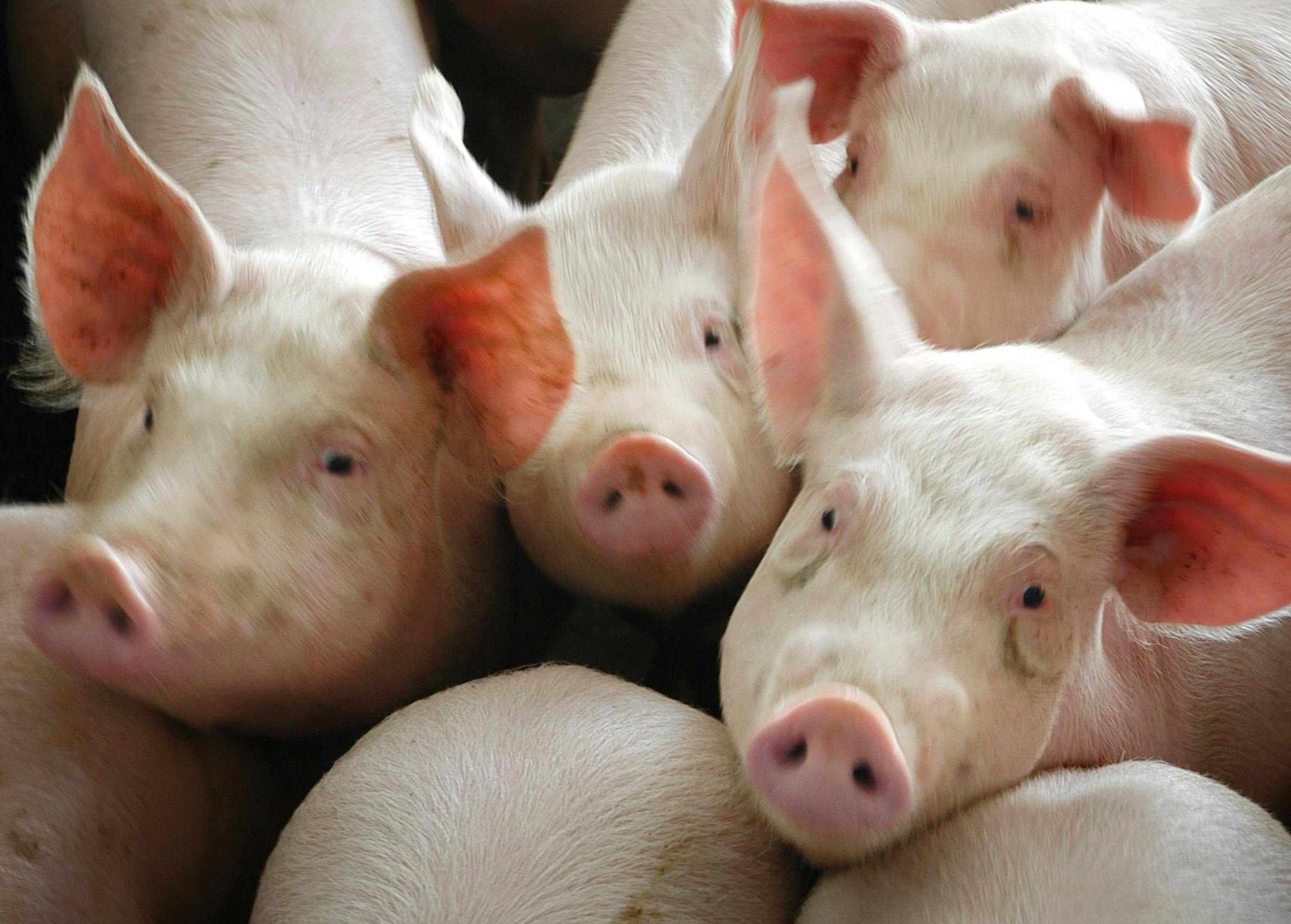
"Factory farms." If there is one term I am most frustrated with hearing people say, it is that. Why? You may find this a little crazy coming from a hog farmer, but I really don't know what they are.
The ironic part of this statement is that I actually live in the Minnesota county that markets the largest numbers of hogs in the state. In fact, we are also ranked nationally with regard to hogs marketed. So how utterly ridiculous does it sound when I say I don't know what a factory farm is?
It's because my vision of a "factory farm" is not what I see. I envision a factory farm as a place with numerous long, cold, colorless steel buildings whose only goal is to produce as many animals as possible, as fast as possible, with the least amount of money and care needed. I think of an uncaring, industrialized operation owned and run by "big money" corporations. An operation that has little to no contact between the animals and people. And this is the same image companies like Chipotle, Whole Foods and Trader Joe's and animal-rights activist groups like the Humane Society of the United States want you to envision when you hear the word "factory farm."
But instead of seeing factory farms, I see —
Farms.
Just farms.
Yes, we have lots of hog farms in rural Minnesota, especially in my county. And who manages and owns these farms? Is it Big Ag? Is it money-hungry corporations?
No. These farms are owned by my neighbors, my friends, fellow church members, parents of my children's friends and people in my community. People and their families run the farms, not Big Ag. Yes, farms have changed over the years. For the most part, we no longer have "big red barn farms." But even though our farms look different, our values have not changed.


