

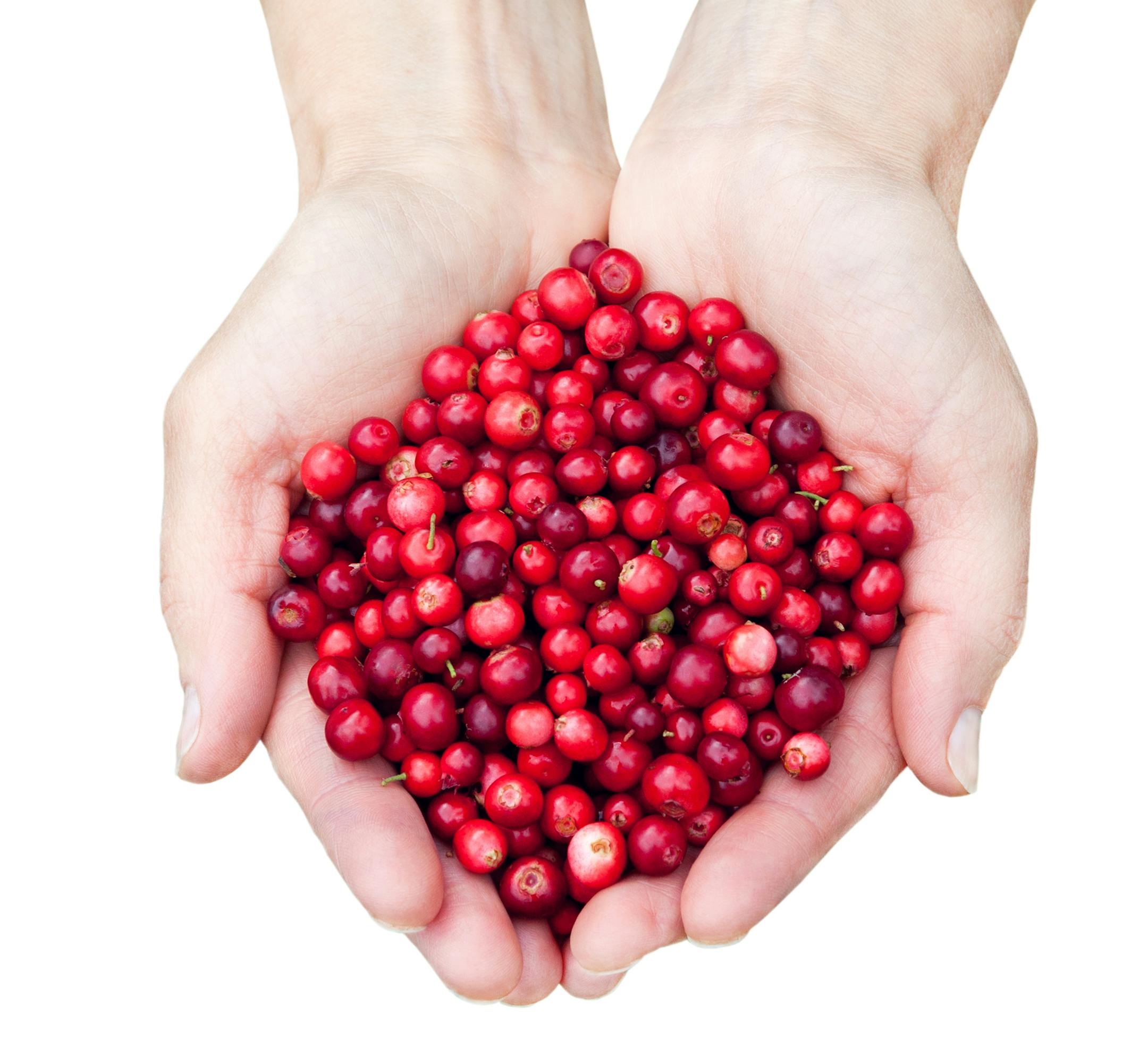
We have done wrong by cranberries.
North America has few enough true native fruits; the Great Lakes north country even fewer.
Yet here we have not just a native fruit, but one of the original native fruits. The fruit that fueled and healed Native Americans for centuries. The fruit that was served at the first Thanksgiving. The fruit that Thomas Jefferson requested of James Madison, as one of three items from home he especially missed while in France: apples, pecans and cranberries. The fruit that effectively made the fur trade possible, because its acidity, when pounded into venison pemmican, prevented spoilage and made for one of the first transportable meals on the continent.
This fruit grows wild in our great north — exclusively so — in sandy bogs and wetlands, places of primordial quiet. The kinds of places where you might see a moose or a pine marten or a gray jay, but might not see another human for months. The kinds of places we dream of escaping to in canoes. The kinds of places our most eloquent voices — Aldo Leopold, Sigurd Olson, Jim Harrison — have sung about.
It is a fruit so sure of its place in the world that it never bothered, evolutionarily, to develop sugars (like such relative flirts as blueberries and raspberries) that would attract animals and birds to eat it, and thereby spread its seeds. It stayed sour and astringent, and simply let its berries float to wherever else they cared to settle, colonizing itself in this way, regally, never owing anyone anything.
And where it's not growing wild, it is an intensely seasonal crop grown along a narrow band just north and south of the Canadian border, then harvested in flooded manmade bogs where crimson, pink and ivory marbles float in surreal aquatic carpets below blue October skies, against the russets, oranges and yellows of autumn hardwoods. It is maybe the single most picturesque harvest technique in the region, if not the country.
We northerners have this to ourselves, like ruffed grouse, and red pines, and wild blueberries, and Lake Superior, and other expressions of place that don't particularly care to consider life below the 45th parallel.
And what can we say we've done with this patrimony?


