President Obama's executive orders on firearms was met Tuesday by a muted response from many in the Twin Cities gun industry and advocates who said it differed little from existing law.
Without the backing of Congress, Obama is seeking to expand the number of sales subject to background checks in an effort to close what some have called a loophole where people can skirt the checks by buying from private sellers at shows, websites and flea markets. The action does not expand existing law but says those who claim to be hobbyists or collectors may actually be "engaged in the business" of selling guns and need to be federally licensed.
"What President Obama is calling for is already the law here," said Andrew Rothman, president of the Minnesota Gun Owners Civil Rights Alliance.
But Heather Martens, who leads the nonprofit gun safety group Protect Minnesota, said the action amounts to "improving the enforcement of the law." She said she has seen people who call themselves private sellers frequently hawking firearms at gun shows and conventions.
"It's just making sure everybody in the business of selling firearms actually follows the law," Martens said.
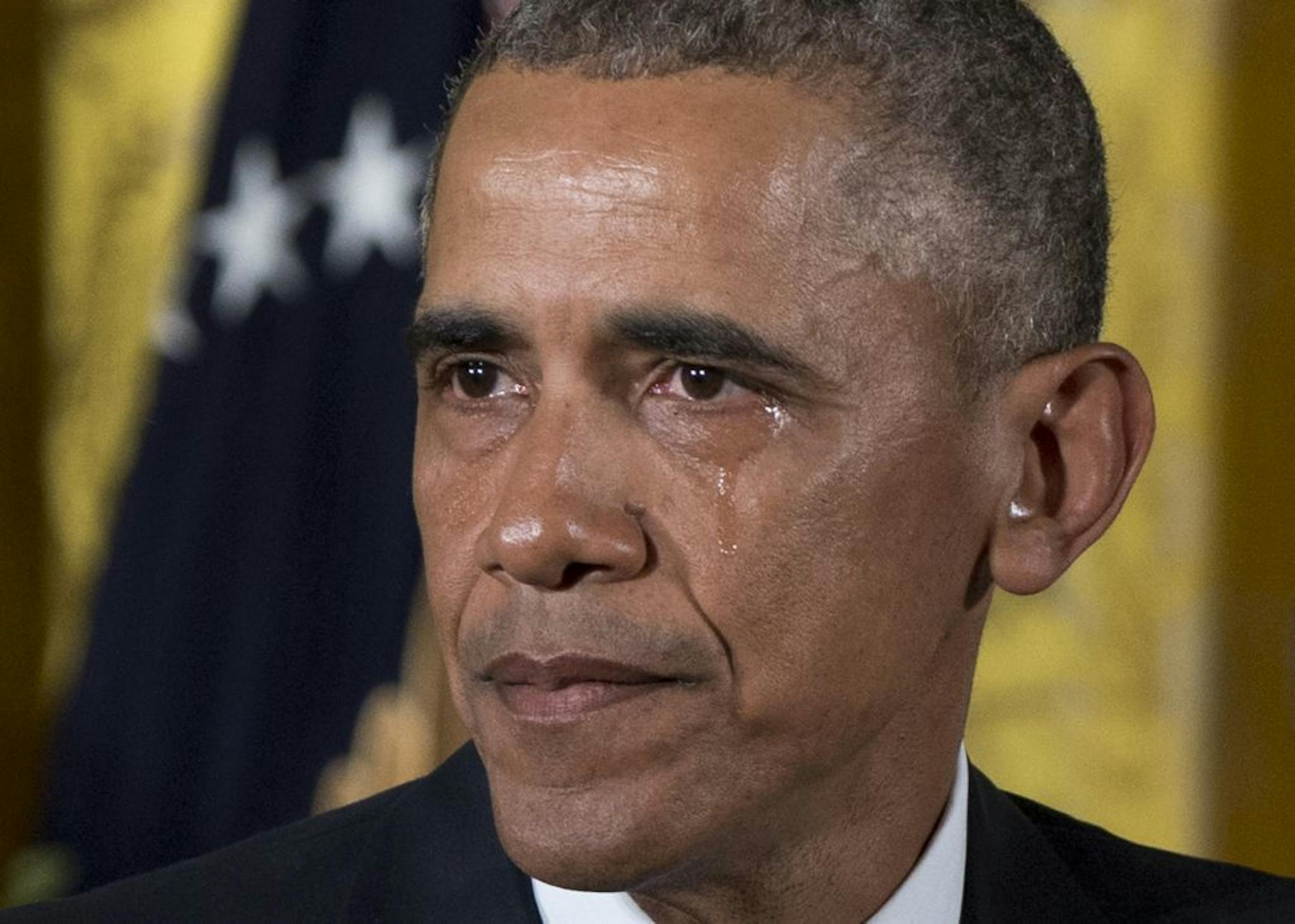
The president unveiled his plan in an emotional address at the White House as members of Congress returned to Washington from a prolonged holiday recess.
Democrats among Minnesota's congressional delegation echoed the president's sentiment about the need for modest steps on strengthening background checks and the need to be vigilant in checking whether gun buyers have criminal records or records related to domestic violence. Republicans countered that improvements in mental health care, not gun control, are the solution to curbing violence.
Checks v. prosecutions
Rob Doar, political director of the Minnesota Gun Owners Political Action Committee, called the president's request for more resources for the FBI and Bureau of Alcohol, Tobacco, Firearms and Explosives (ATF) to streamline the background check process encouraging, but said enhanced prosecutions of gun crimes would be more effective. He cited federal data released in 2010 that showed of the 4,732 FBI background check denials investigated by the ATF that year, just 62 resulted in prosecutions and 13 in convictions.