

The young man known on the streets as "Tez Blood" was leaning over his best friend's bullet-pierced body, sobbing, when his cellphone rang with a call from a fellow gang member in prison.
"Somebody gonna go to sleep tonight, bro," he allegedly told the caller in May 2016, using slang for a revenge killing. "Somebody gotta feel how I feel, bro." Minutes later, his phone went off again. It was another inmate, urging him to avenge the death of their friend, Derrick Rodgers.
Police believe he took the advice to heart.
In fact, they've linked the 25-year-old to a series of killings and shootings, including a slaying that may have precipitated Rodgers' death last spring, according to court filings based on intercepted jailhouse phone conversations and information from confidential informants. But he hasn't been charged with any of them.
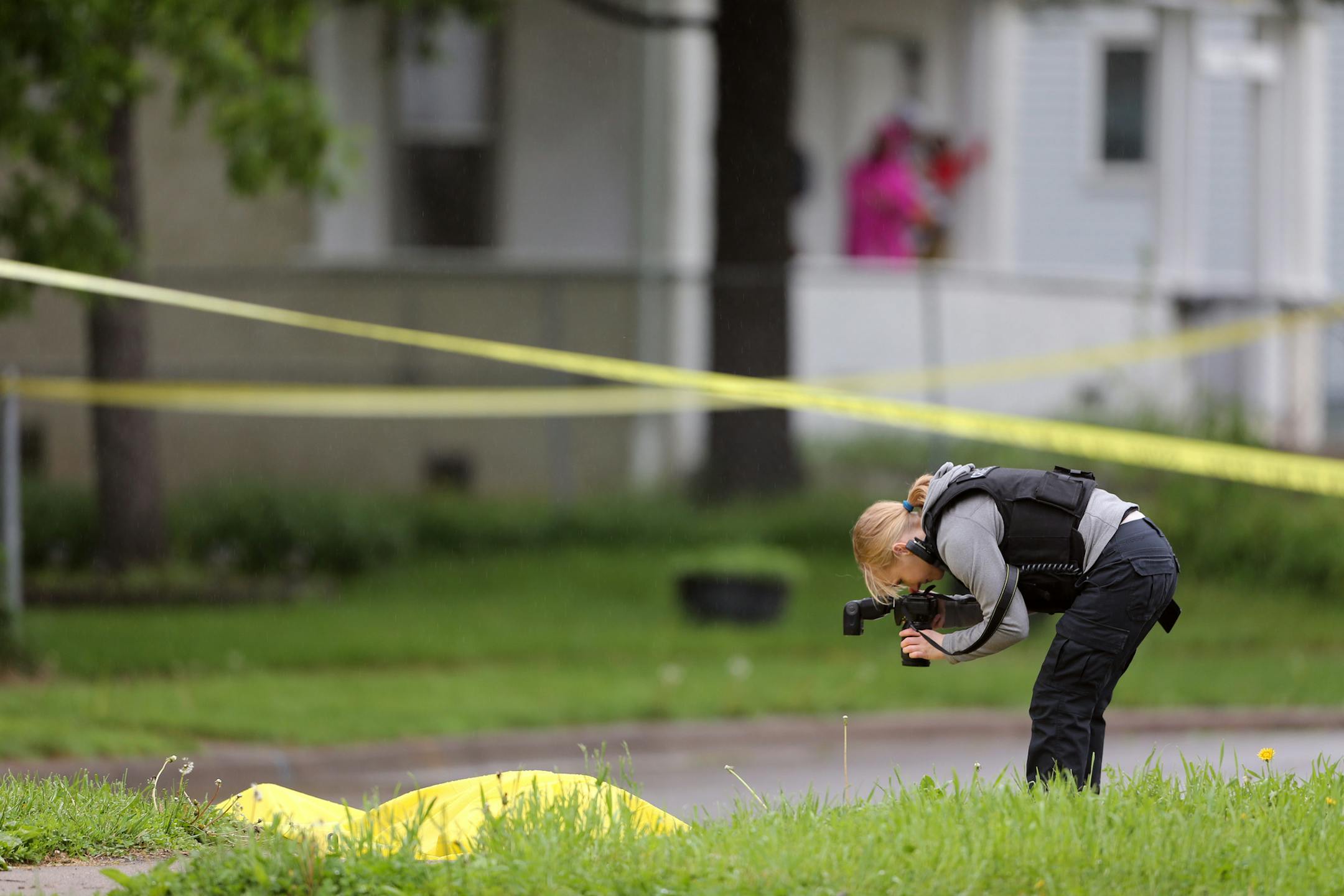
Much of Minneapolis' alarming rise in shootings in recent years seems to be the handiwork of a relatively small number of gunmen, police say. Designated "shooters" carry out tit-for-tat killings on behalf of their gang, quick to pull a trigger over old scores and insults. While the number of people shot citywide has dropped since last year, the brazenness of some attacks has police on high alert. As recent cases have shown, stopping the violence is frustrating.
"Yes, we do know many of these members that are likely to be involved in gun violence, but there's a multitude of different reasons of why they might still be out on the streets," said Assistant Minneapolis Police Chief Mike Kjos, citing reluctant witnesses and little evidence. And even when police make arrests, Kjos said, it can take months for results from ballistics and DNA tests. In the meantime, suspects often end up released from custody, and the violence continues.
Department statistics show that last year police cleared 35 percent of serious assault cases, which include shootings and stabbings. Charges were brought in 30 percent of the cases in 2016, compared with 26 percent the previous year.
Some of the main offenders are under federal investigation on weapons violations, court records reveal. But such investigations can be time-consuming and complex, authorities say. Police often pursue federal charges in gun cases because they carry heftier sentences.


