In Focus: Minnesota's winter wonderland

January 20, 2017 at 1:30PM
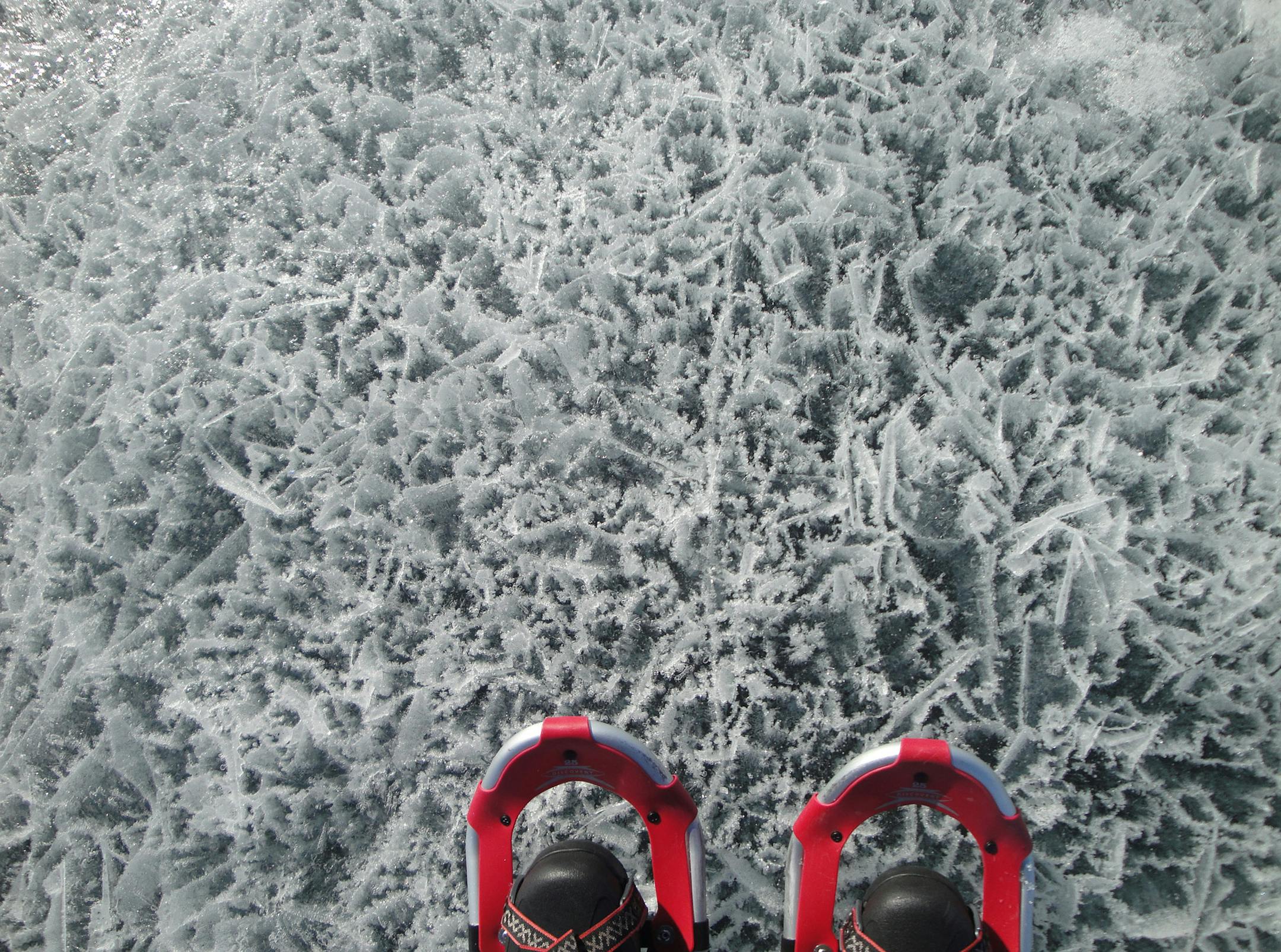
Tricia Young of Minneapolis: "Lake Vermilion is usually covered over with snow, but last year the ice froze with minimal snow cover--not the best for snowshoeing, but it makes for beautiful patterns in the ice." [focus012217
Tricia Young of Minneapolis:  “Lake Vermilion is usually covered over with snow, but last year the ice froze with minimal snow cover. Not the best for snowshoeing, but it makes for beautiful patterns in the ice.” (The Minnesota Star Tribune)

Those long winter months might give us darkness and cold, but it's hard not to appreciate the season that also gives us stunning snow-kissed landscapes and a view of nature reserved for hardy Minnesotans. Reader Marion McNurlen of Edina made a commitment to herself to find something beautiful about each winter day. We thought that was a great idea, so here's a little help in case you wish to do the same.


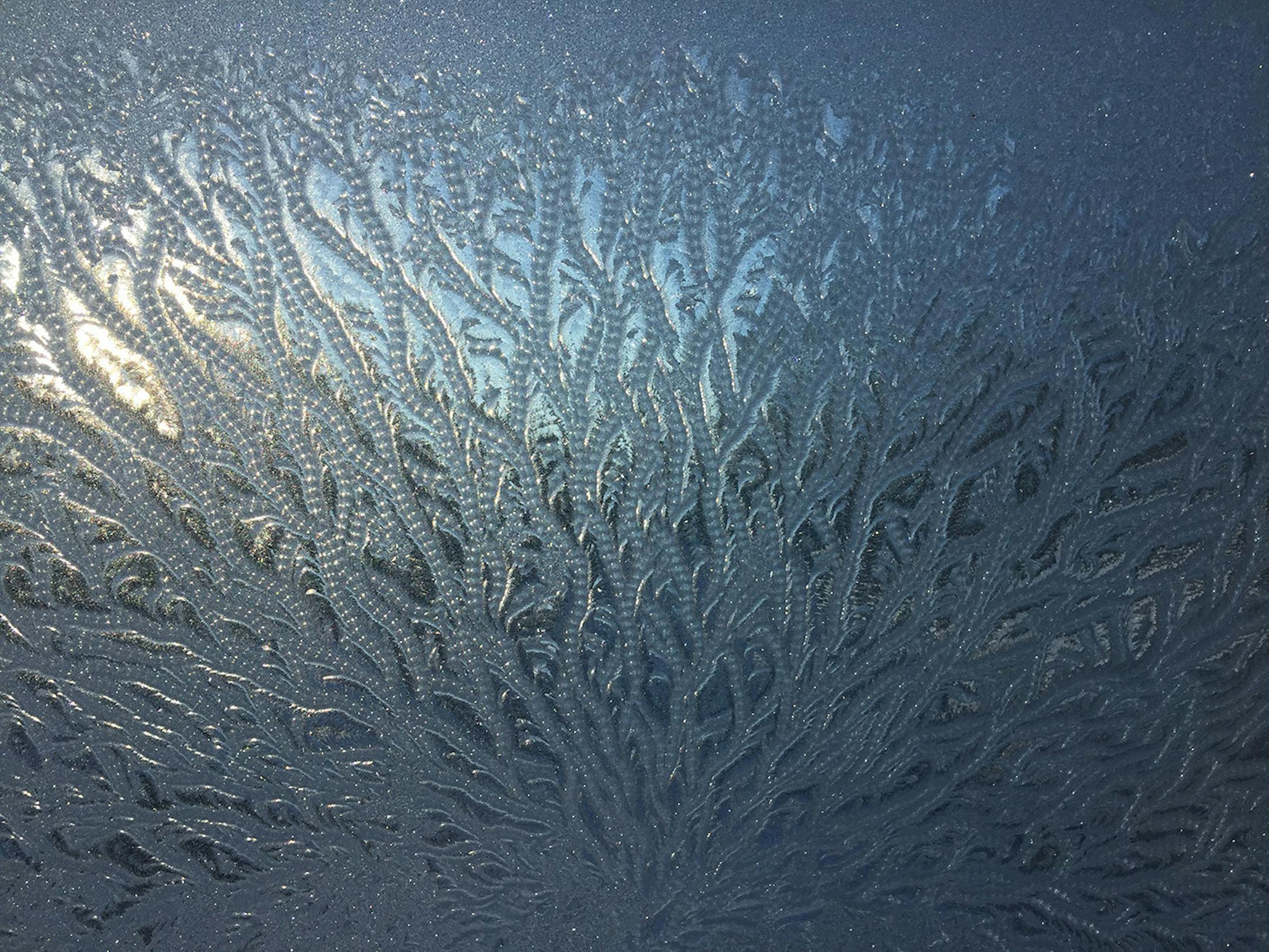
Marion McNurlen of Edina made a commitment to herself last month to find something beautiful about each winter day. She didn't have to go far for this one, her bathroom window at sunrise when the temperature was south of 15 below. [focus012217
Ice formed on Marion McNurlen’s bathroom window at sunrise last month, when temps were south of 15-below. ⊲ (The Minnesota Star Tribune)
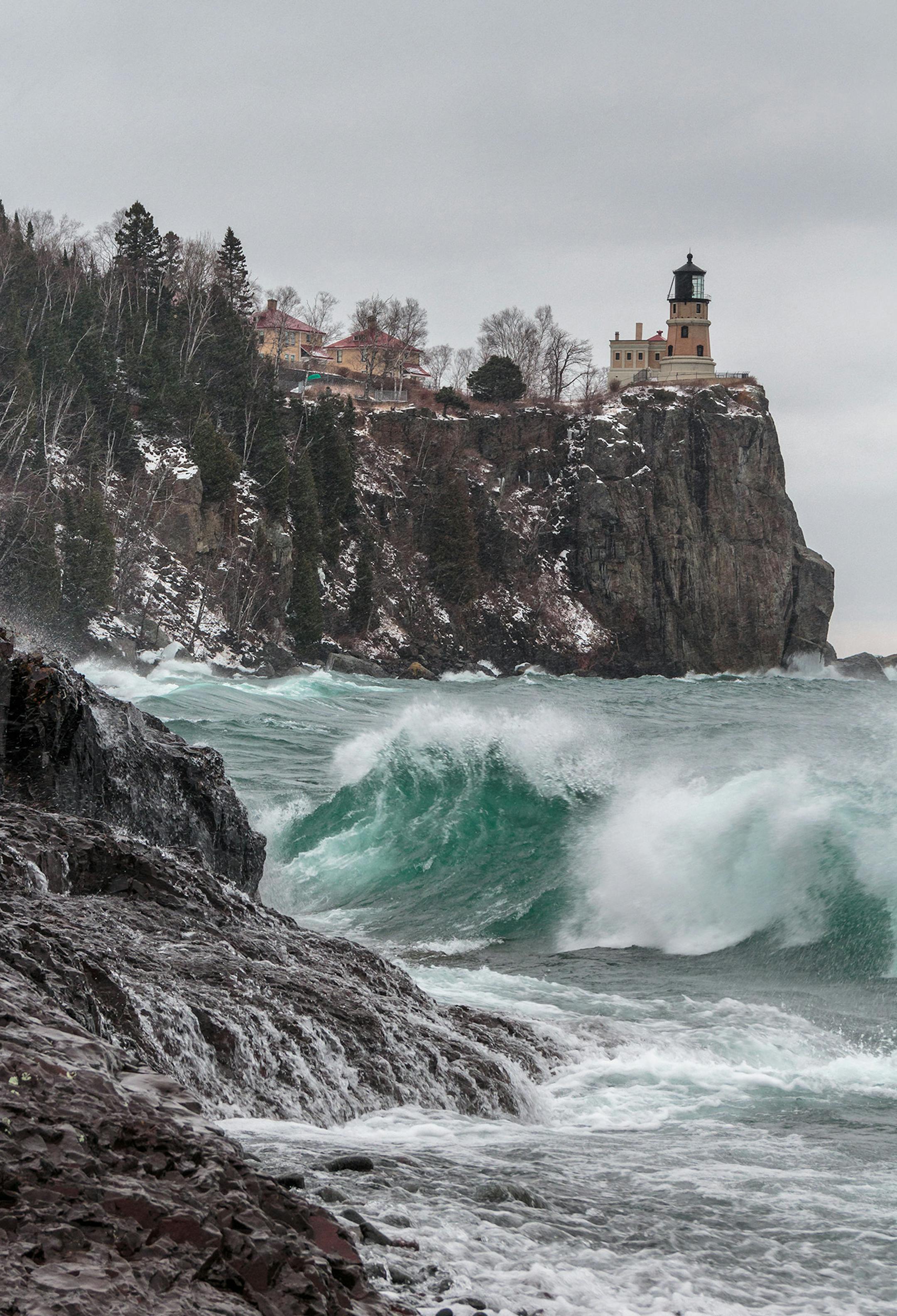
When Jim Sochko of St. Louis Park shot this picture on Lake Superior, the winds were gusting to 30 miles per hour.
When Jim Sochko of St. Louis Park shot this picture of Lake Superior and the Split Rock Lighthouse, winds were gusting to 30 miles per hour. (The Minnesota Star Tribune)
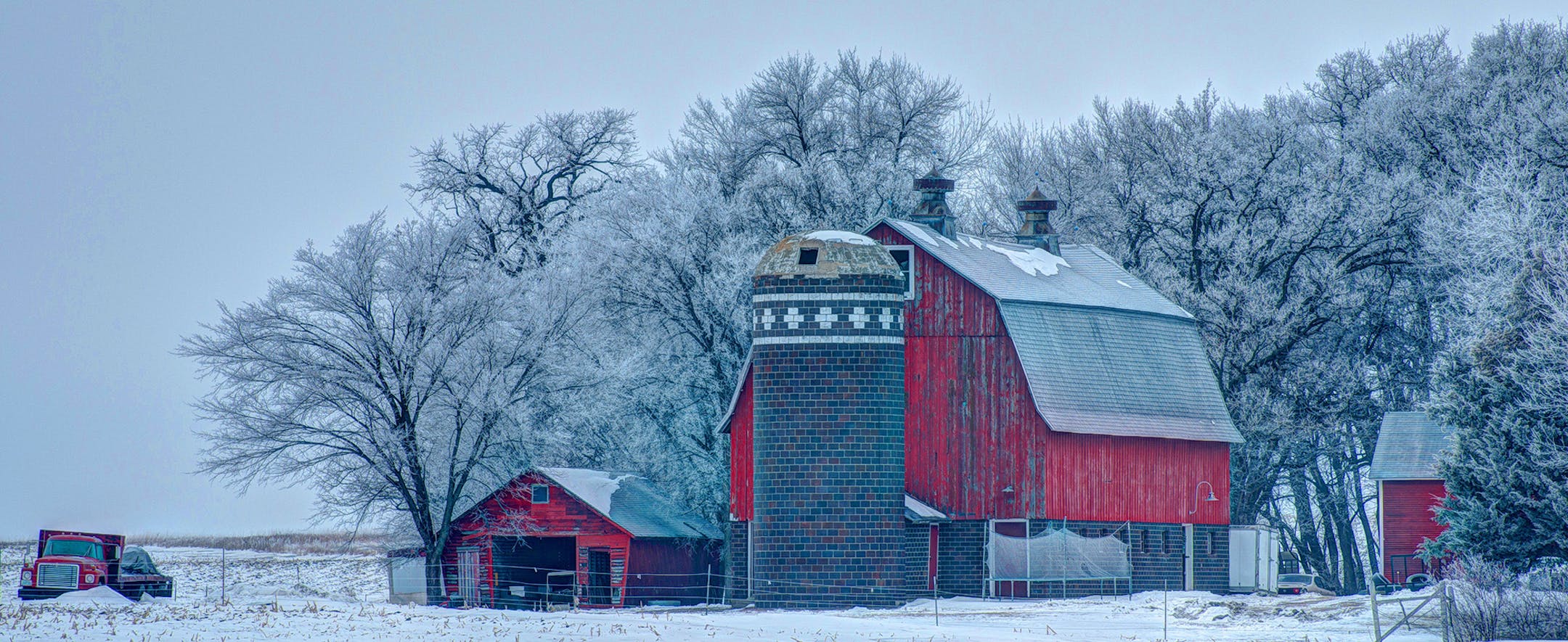
Mick Richards of Burnsville: Hoarfrost appears on the trees on one of the first days of winter north of Faribault. [focus012217
Mick Richards of Burnsville:  Hoarfrost appears on the trees on one of the first days of winter north of Faribault, Minn. (The Minnesota Star Tribune)
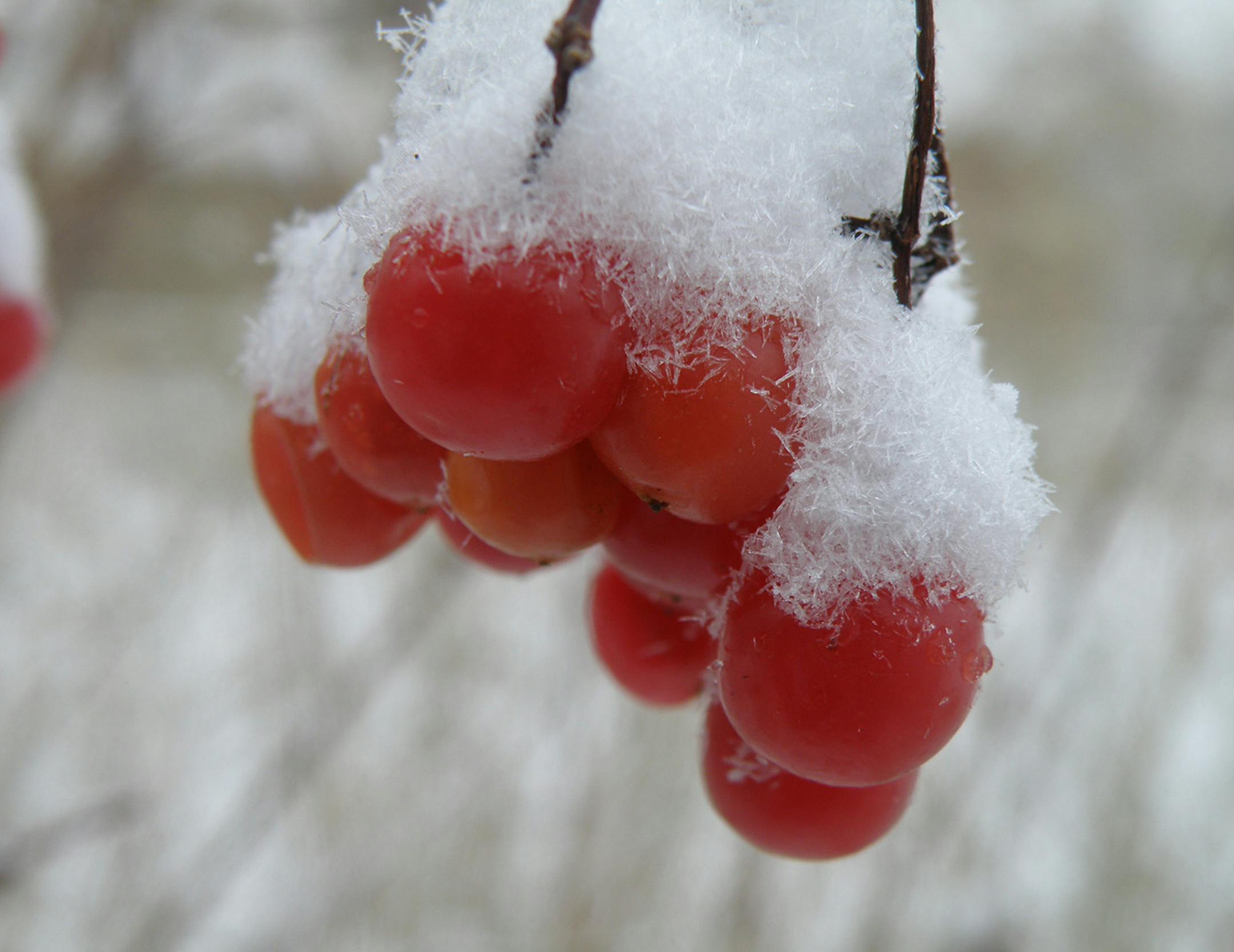
Greg Anderson of Eagan capture berries from his wildlife-friendly garden. The Wentworth Vibernum berries are winter hardy, and not eaten by wildlife until a few freeze-thaw cycles make them more palatable. [focus012217
Greg Anderson of Eagan captured berries from his wildlife-friendly garden. Wentworth vibernum berries are winter-hardy, and not eaten by wildlife until a few freeze-thaw cycles make them more palatable. (The Minnesota Star Tribune)
about the writer

about the writer