

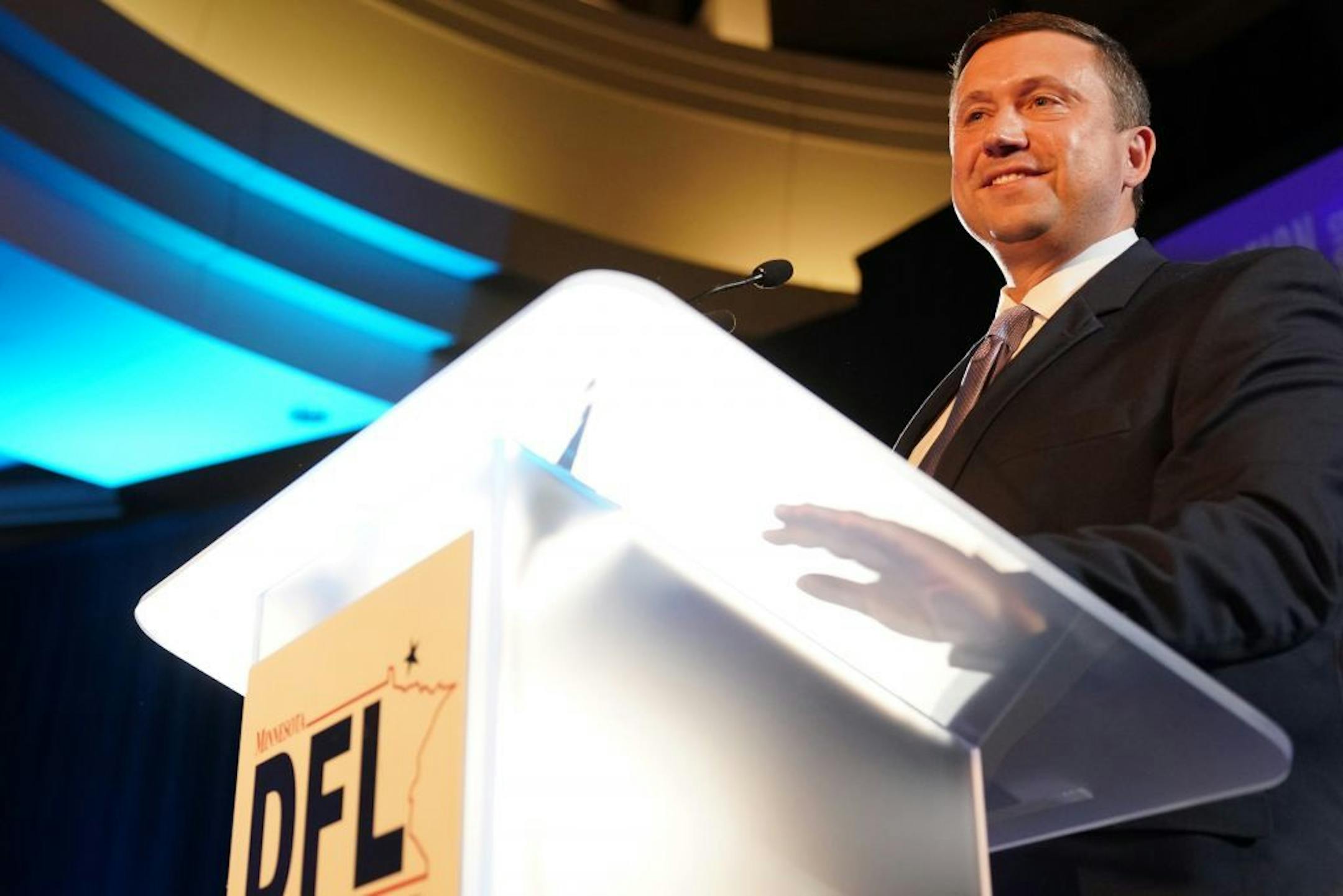
DFL activists and volunteers across the state will gather for a series of training sessions this summer aimed at preparing the party's base for the 2020 elections. Campaign workers will learn fundamentals like how to write letters to the editor, craft winning messages and lead effective door-knocking efforts.
Also on the agenda: a primer on social media best practices, including, perhaps most importantly, what not to tweet.
"If you say something that doesn't reflect your party's values or your candidate's values, it can quickly go viral," DFL Chair Ken Martin said. "The minute you send, you can't get it back."
Candidates and political operatives who interact with the media and the public are well aware of the weight their words, whether in person or online. But the rise of Twitter and other social platforms is rapidly expanding the circle of supporters whose phrasing and views can attract public scrutiny — and backlash. A few ill-considered taps on a smartphone can give ammo to opponents and potentially trigger a PR crisis for your side, regardless of whether the post came from a high-profile candidate or an unpaid volunteer.
"These days, anybody can blow up a campaign," said Bill Hillsman, a veteran political consultant who worked for the late Sen. Paul Wellstone and former Gov. Jesse Ventura. "That's a big difference from a command-and-control sort of view."
The risk of rogue posts was underscored last month when the DFL dealt with the fallout of two widely criticized online posts. First, a deputy communications director came under fire for a tweet calling a new U.S. Naval ship a "murder boat." The staffer, who was stripped of his communications role but remains employed by the party, apologized and deleted his Twitter account. Days later, a DFL volunteer serving on a local chapter board resigned over a disparaging tweet about the military service of Republican Rep. Tom Emmer's son. The DFL publicly denounced both posts.
Republicans, too, have faced backlash over supporters' social posts. In February, a northern Minnesota GOP chapter came under fire for sharing a meme on its Facebook page that compared U.S. Sen. Bernie Sanders, who is Jewish, to Nazi leader Adolf Hitler. The group later apologized and took down the post, which it said was made by a volunteer.
Minnesota Republican Party Executive Director Kevin Poindexter said the party takes the risk of social missteps "very seriously." It too offers trainings to ensure candidates, staff and volunteers know "what is good content, what is online acceptable behavior."


