

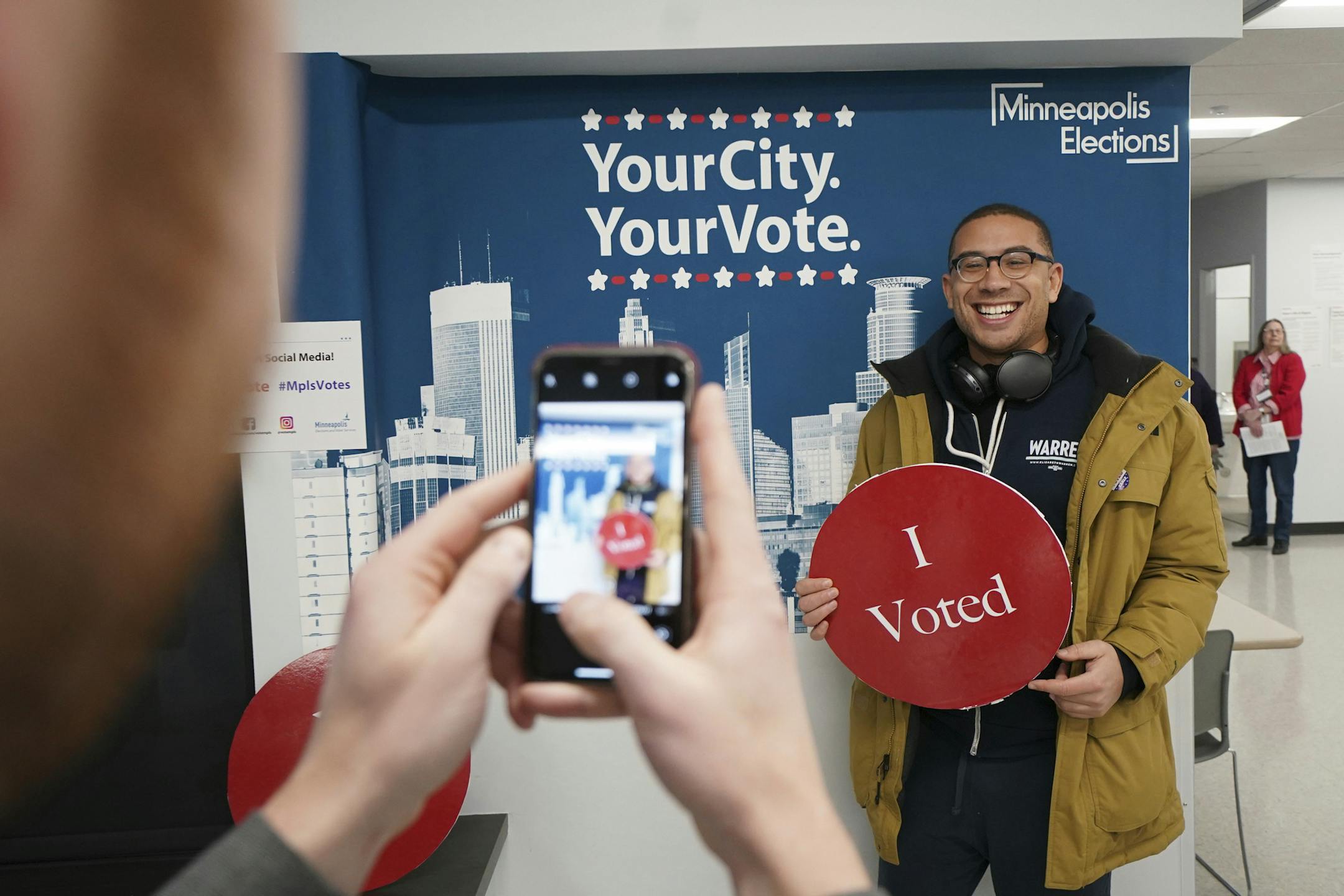
A friend in Tulsa, Okla., where I grew up, recalls his experience of voting there for the first time after a long absence from the state. He was directed to get into either the Democratic line or the Republican line. A lifelong Republican whose fealty was waning at the time, he asked (in a loud voice, I imagine): "Where's the line for RINOs?"
He was clearly unconcerned about going public with his preference.
Primary elections differ from general elections. Primaries are a process for members of a party to choose the candidate who best represents the party's goals — or is thought most likely to win. This decision belongs to no one outside the party. Period.
Don't be tempted to cross over; you'd be committing fraud when you signed for the ballot.
Gone are the days of the fabled "smoke-filled rooms" when party bosses determined candidates. Since 1968, proliferating primaries have been giving voters a greater say in candidate selection. This year Minnesota joins the club for the first time since 1992.
The new process in our state does seem a bit rickety. But it is, as the saying goes, what it is.
In my view, anyone who feels kinship with a party should feel duty bound to participate in the primary. Those who don't — RINOs, for example — may legitimately stay home.
Most, in fact, do stay home. In 2016 the average primary turnout across the nation was 28.5% of eligible voters. Not impressive? It was close to the record of 30.4% set in 2008.


