

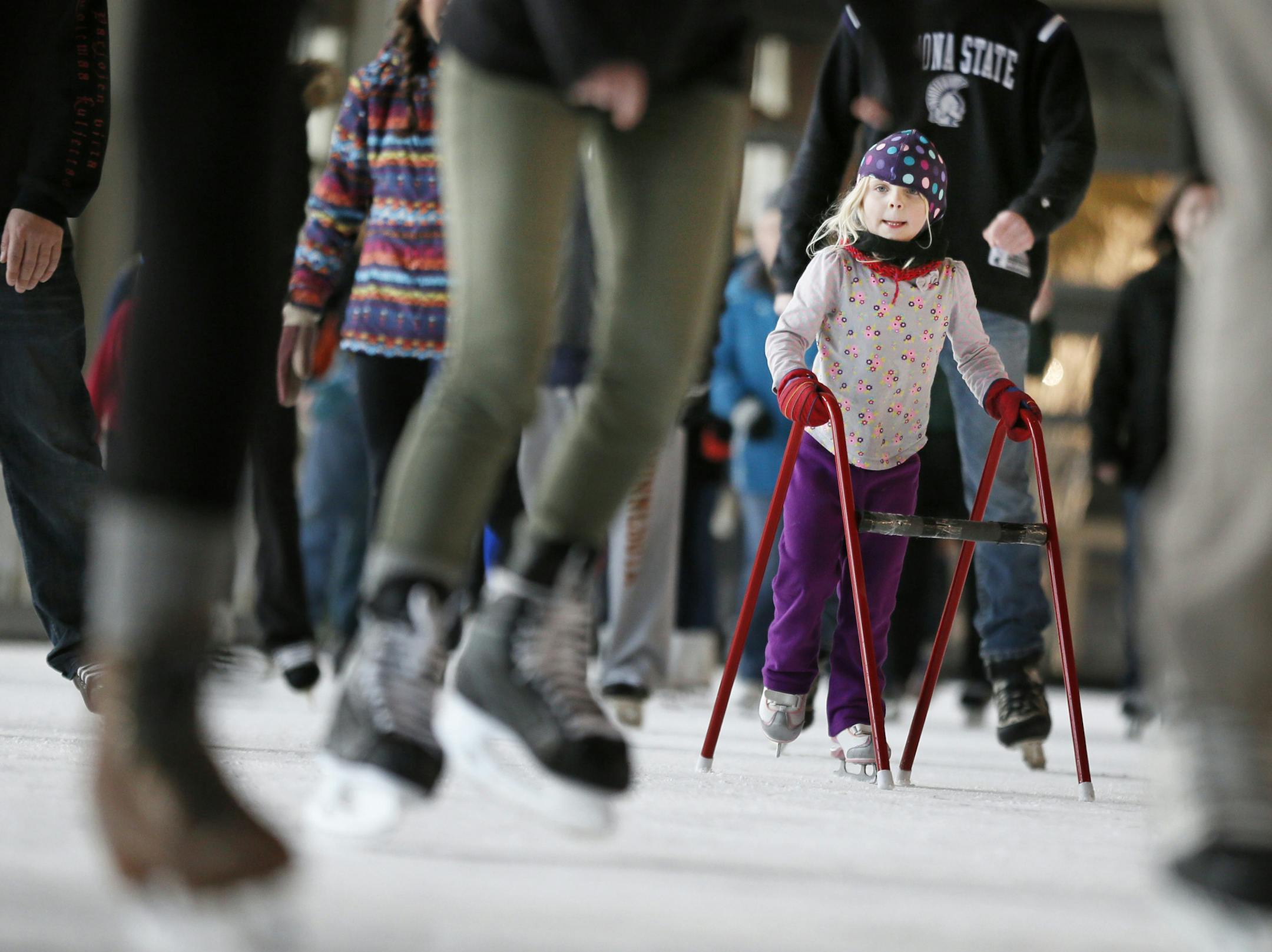
WASHINGTON – Minnesota's indoor skating rinks have a big problem looming under their ice.
Roughly 120 arenas that dot the state and are as cherished as parks in the cities and towns that own them still rely on the chemical Freon to chill their frozen floors.
Once a ubiquitous, inexpensive refrigerant, Freon has for years been known to pose a danger to the Earth's ozone layer. The Environmental Protection Agency has said that by 2020, the chemical, also known as refrigerant R-22, can no longer be produced or imported.
That's keeping local rink operators like Zac Dockter in Cottage Grove up at night with two worries: What if my old rinks start seeping Freon? And how is my city going to front $2 million to retrofit the rink from Freon to something more environmentally sound, like ammonia?
U.S. Sen. Amy Klobuchar, D-Minn., has urged EPA officials to be more transparent over how they will shrink the Freon supply — and when exactly it will be taken off the market — so rink owners can prepare.
"Not every EPA employee may be thinking about ice rinks," Klobuchar said. "I think they have to treat it with a sense of urgency. They may not realize how much it would mean for an ice rink in a local community to have to sink a million dollars in without much notice."
Already the cost of Freon is spiking. Once a buck or two a pound, Freon now runs between $11 and $16 a pound. Beneath Dockter's two 1970s-era rinks run more than 6,500 pounds of the stuff.
"You're sweating every day," said Dockter, director of the Cottage Grove's Parks and Recreation department. "You think, 'Oh my gosh, if I get a leak on a Friday night, I could lose hundreds of thousands of dollars. It's a scary thought. … You're in fear of keeping your liquid gold."


