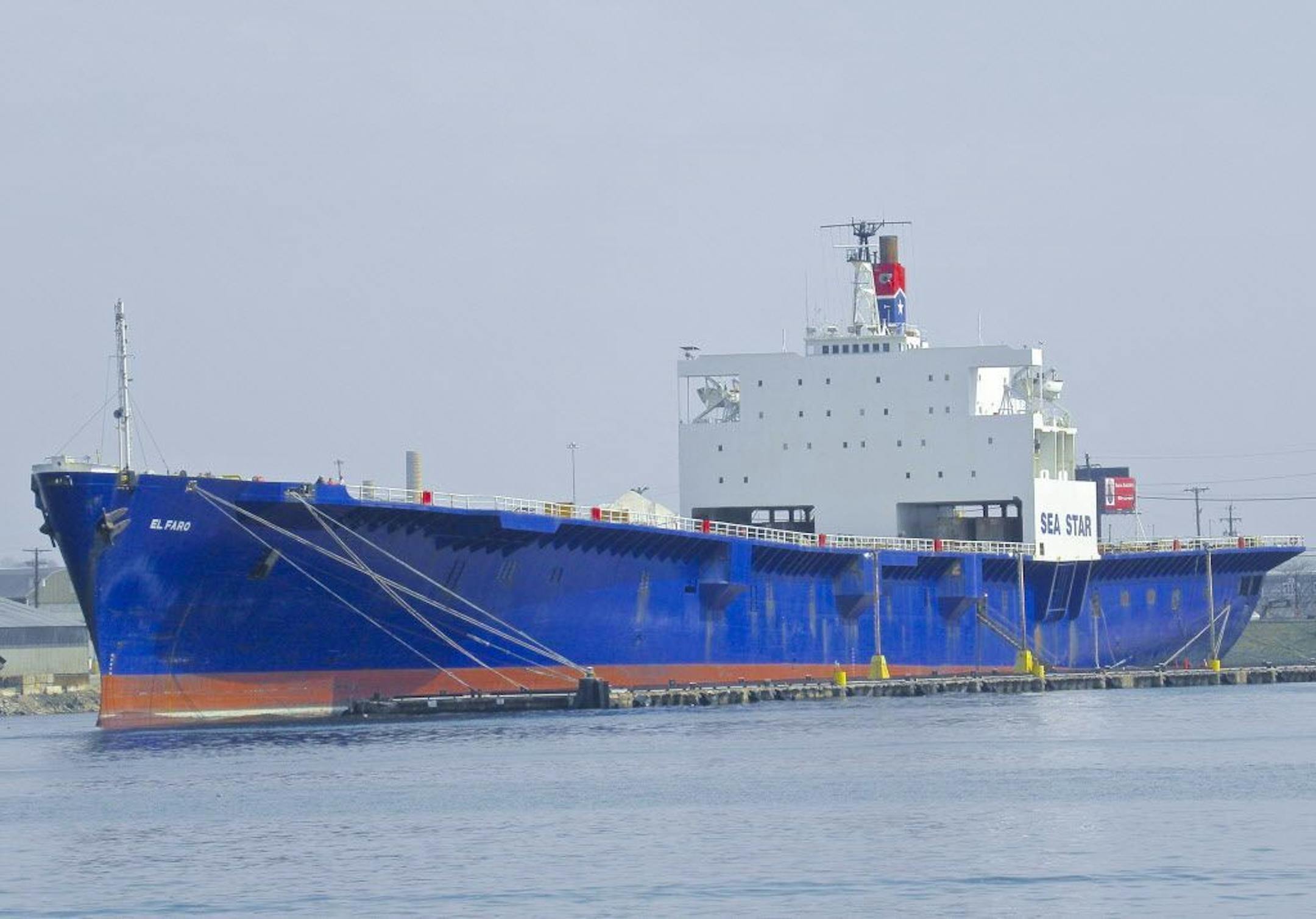
JACKSONVILLE, Fla. — Danielle Randolph squinted through rain-splattered windows as the sea freighter lunged upward sharply, then fell into the trough of a 30-foot-tall wave. The skies were black. The second mate stood on the navigation bridge high above El Faro's main deck, which spread out before her like an aircraft carrier stacked high with red, white and blue cargo containers.
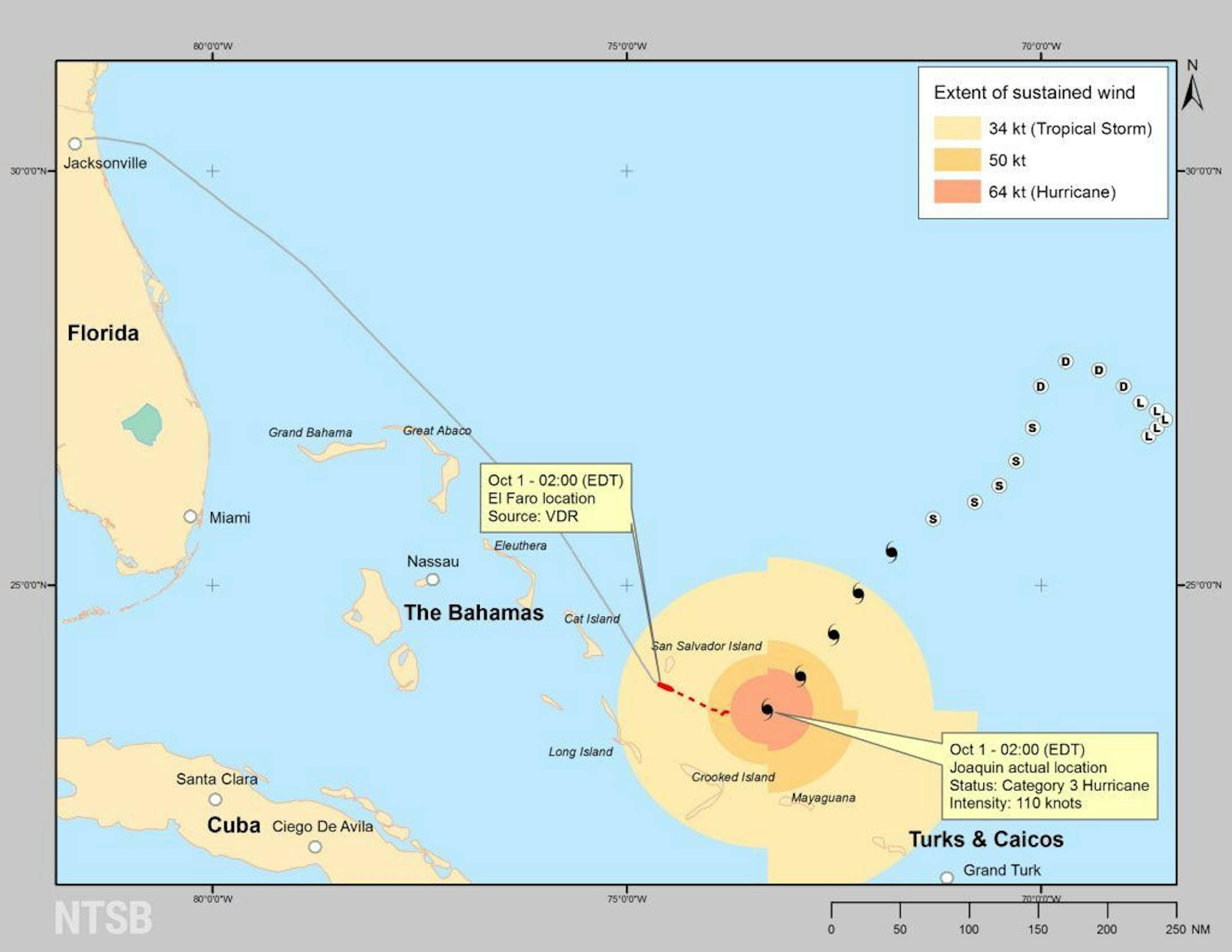
News blurted through the bridge's radio speaker: Forecasters had named the storm Hurricane Joaquin as it built into a Category 3, with winds of 130 mph. "Oh my God," she said to the helmsman standing nearby, bracing when the ship she called "the rust bucket" shuddered over another wave.
"Can't pound your way through them waves. Break the ship in half," the helmsman said.
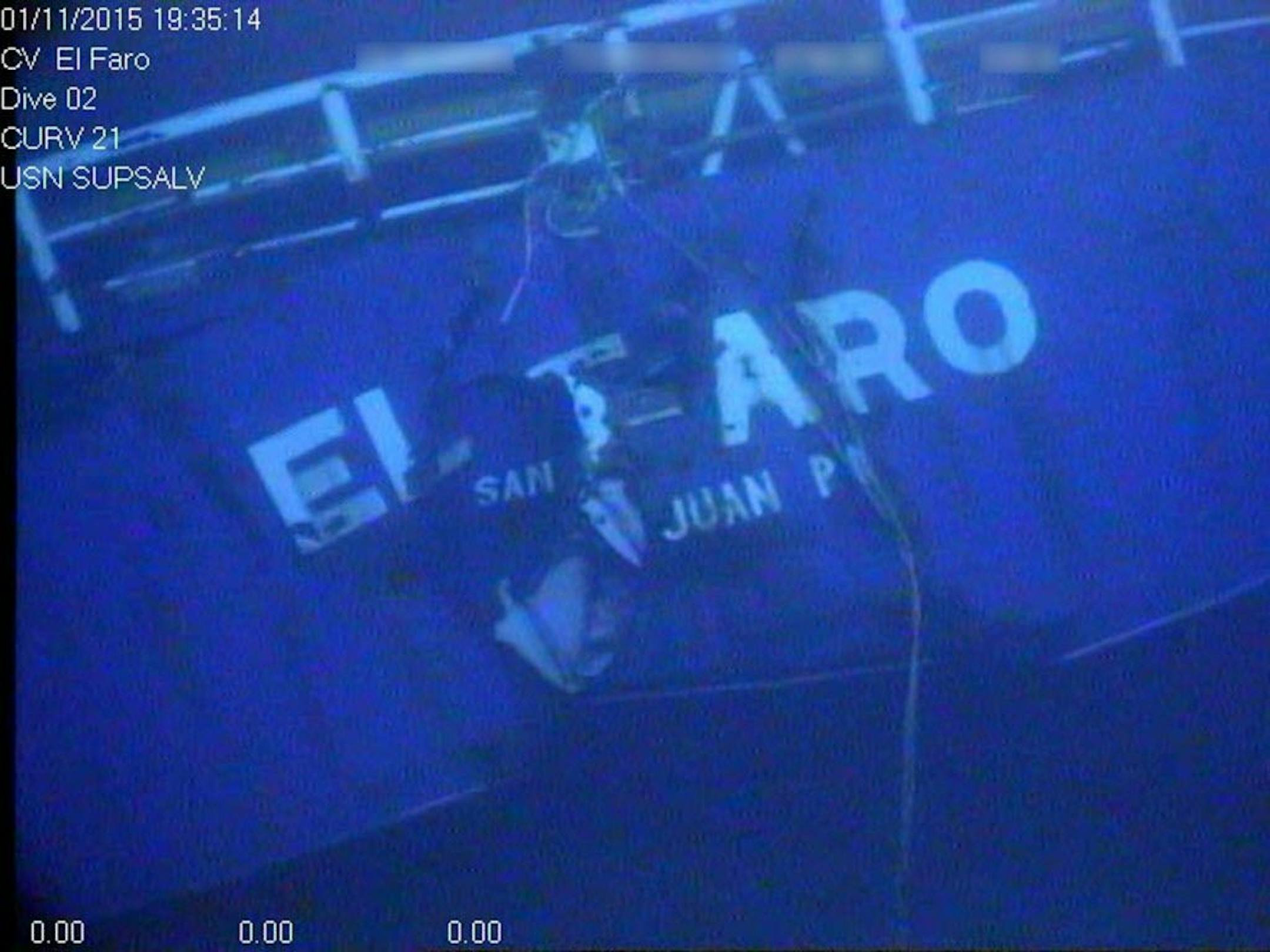
It was 1:15 a.m. on Oct. 1, 2015, and the Atlantic was boiling over. El Faro, sailing near San Salvador Island in the Bahamas, was being knocked about by the strongest October storm to hit these waters since 1866. In the coming hours, El Faro and its crew would fight desperately for survival .
Another wave slammed into them. "Oh (expletive)," said Randolph. "That was a bad one." The alarm sounded. The ship was now pushed in another direction, off the captain's chosen course. After a few tense seconds, El Faro righted herself.
"She's doin' good. I'm impressed. Knock on wood," said Randolph.
El Faro was one of two ships owned by TOTE Maritime Inc. that navigated in constant rotation between Jacksonville, Florida, and San Juan, Puerto Rico. It brought everything from milk to Mercedes Benzes to the island. If El Faro missed its run store shelves sat empty, an economy suffered and TOTE lost money.
This run was to be El Faro's last before a major retrofit. Inspectors had found parts of the vessel's boilers that were "deteriorated severely" and service was scheduled in the next month. This came as no surprise: One Coast Guard inspector had identified a "disturbing" uptick in safety discrepancies during El Faro's inspections from 2013 to 2014. The Guard was in the process of adding the 40-year-old ship to its "target list" of U.S. cargo vessels that needed a higher level of scrutiny.