
How to stop bullies

Harassing behavior goes beyond the myth. Prevention comes from attention and action.

For the Minnesota Star Tribune
October 26, 2010 at 9:58PM
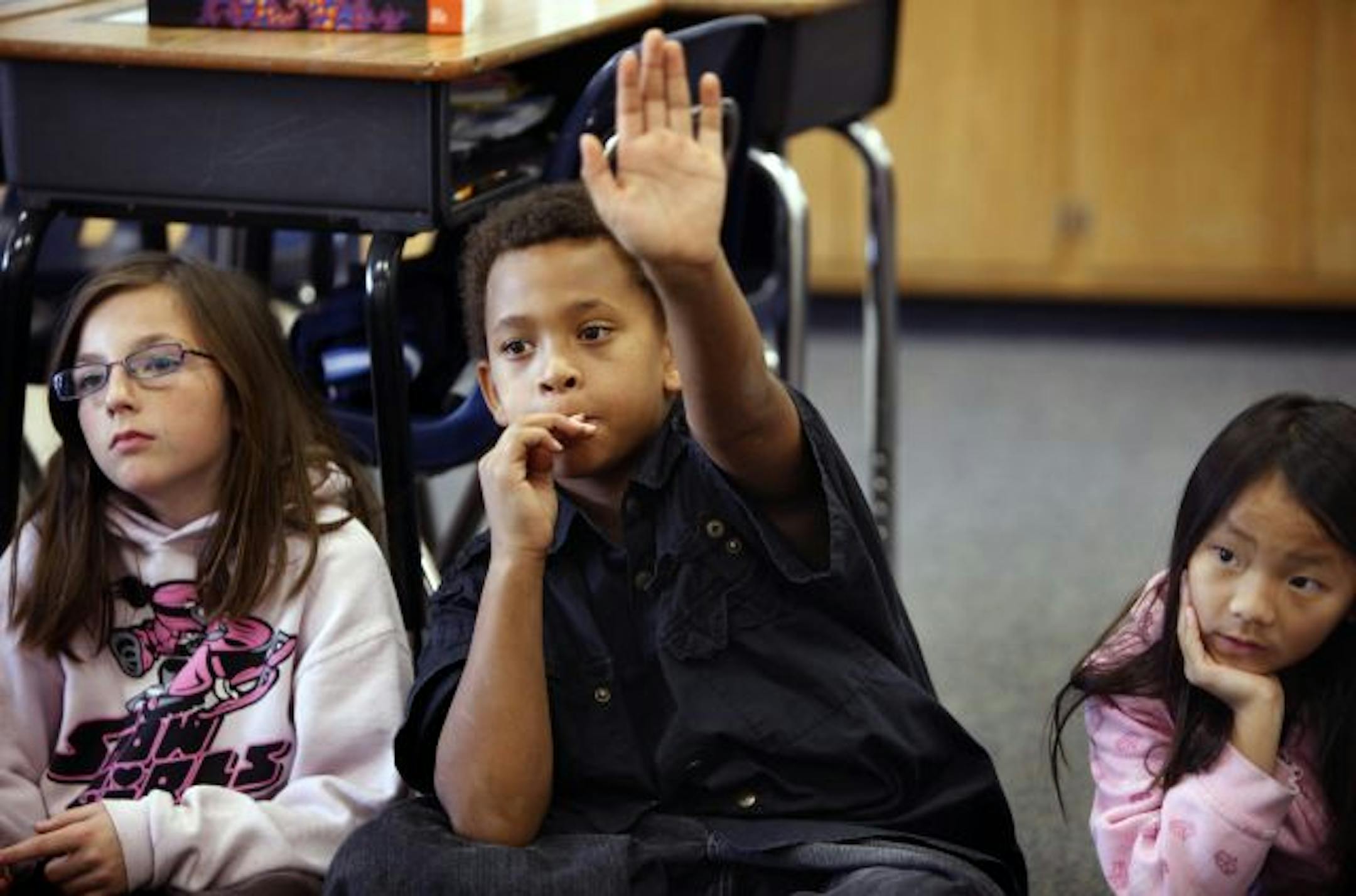
Bryn Mawr Elementary School's fifth grade class held a peace circle with teacher, Leslie Ferster leading the group. Fifth Grade student Vernon Gates wanted to make a point during the discussion on bullying.
Bryn Mawr Elementary School's fifth grade class held a peace circle with teacher, Leslie Ferster leading the group. Fifth Grade student Vernon Gates wanted to make a point during the discussion on bullying. (Star Tribune/The Minnesota Star Tribune)

The consequences of harassment and bullying are front and center in the national conversation. And schools everywhere -- urban, suburban, rural -- have taken note and action. Still, several myths about bullying persist, said Julie Young-Burns of the Minneapolis Public Schools' (MPS) student support services.

Myth: Kids will be kids

Excusing bullying as a "rite of passage" for kids is a misconception that can be challenging to dispel.

"There is a line between teasing and bullying," said Young-Burns. "Bullying behavior is repeated and intentional."

Even if the bullying takes place outside of school via texting or Facebook (referred to as electronic aggression or cyber bullying), chances are the incident will eventually surface at school.

And girls aren't the only ones to exclude others or say mean things to one another. Boys often use gossip or exclusion and girls can be physically aggressive.

Myth: Encourage kids to fight back

Houghton said parents often tell their kids to fight back when they are bullied because that's how parents were once taught to handle bullying, and they don't know any other options.
"In our classrooms, students learn problem-solving skills. They learn to 'stop it, name it and claim it' so the situation can be defused," said Kate Houghton, who works with MPS student support services.

Teachers encourage students to identify a trusted adult in the school with whom they would feel comfortable talking if they are being bullied or harassed.

"There is a difference between tattling and asking an adult for help," said Young-Burns, who noted that parents should help their child identify who that adult would be.

"A lot of times, the school nurse will be the first to learn what's going on when a child comes in repeatedly with headaches or stomachaches," she said. "There's usually something more behind the physical symptoms."

Tips for parents

When bullying or harassment takes place, parents should never be afraid to talk to their child about it -- whether the child has been bullied or if he/she is the one accused of bullying.

"The most important thing is to listen without judgment," said Houghton. "Help them think of ways they could respond to a situation. Remind them that sometimes the thing to do is just walk away."

Oftentimes, parents of a child who has been accused of bullying are equally as intent on addressing the issue with school personnel as are the parents of a bullied child.

"Every parent wants their child to be successful in school. They want them to have good friendships," said Young-Burns. "When we talk to parents with a child who has displayed bullying behavior, we focus on the opportunity to help the child learn to interact in positive ways."

In the Minneapolis schools, social skills and bullying prevention are addressed year-round as part of a classroom curriculum created by the Seattle-based Committee for Children. The approach, used in the district for four years, includes lesson plans and classroom activities for students in early childhood through eighth grade.

Empathy, impulse control, anger management and friendship skills are part of the program, which involves students for 30 minutes each week. However, it's reinforced daily in the classroom, lunchroom and playground, said Houghton.

Julie Pfitzinger is a West St. Paul freelance writer.

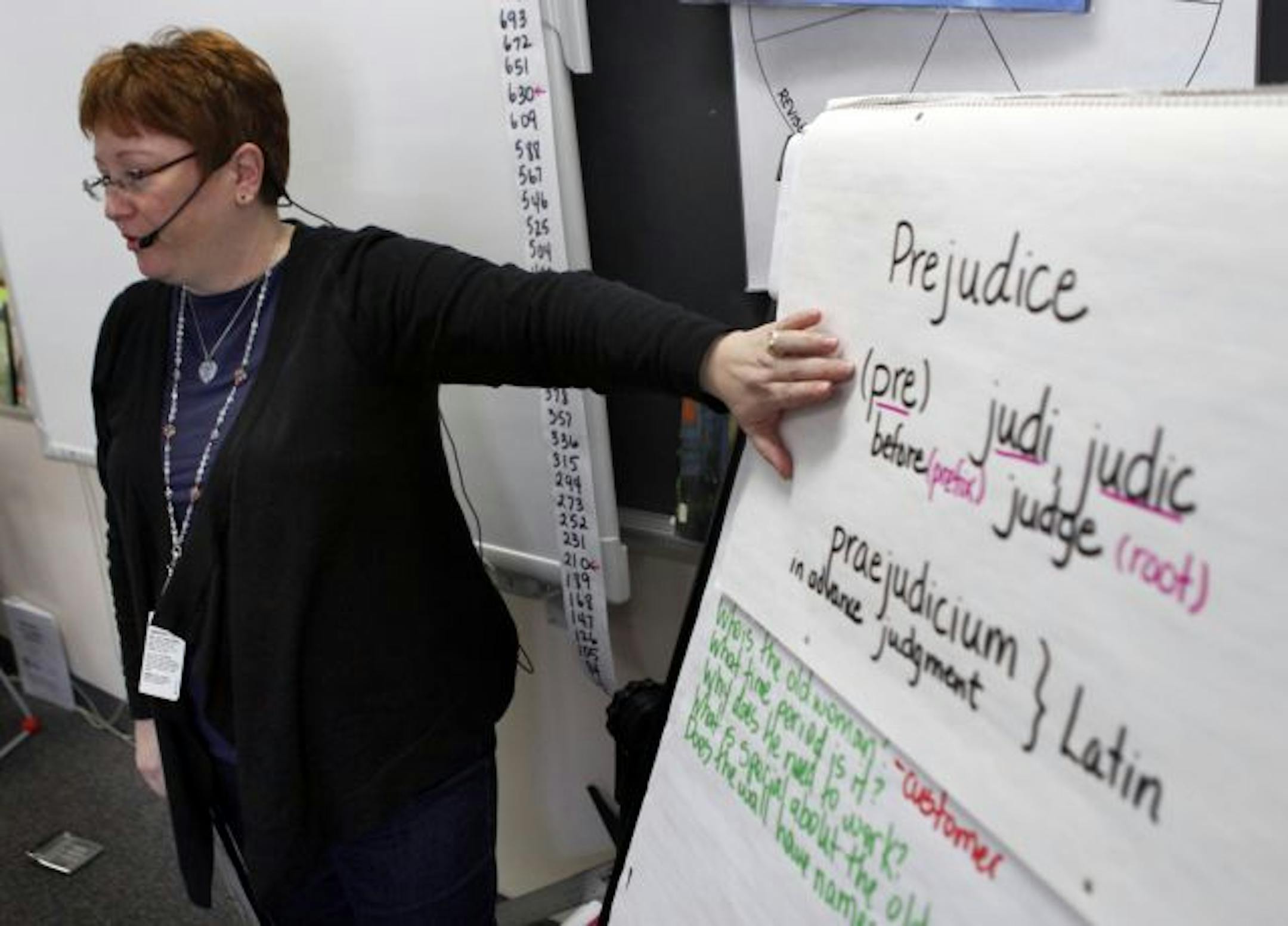
Bryn Mawr Elementary School's fifth grade class held a peace circle with teacher, Leslie Ferster leading the group. They discussed the word, prejudice.
Bryn Mawr Elementary School's fifth grade class held a peace circle with teacher, Leslie Ferster leading the group. They discussed the word, prejudice. (Star Tribune/The Minnesota Star Tribune)
about the writer

about the writer

JULIE PFITZINGER