Antarctica ranks high among travel dreams these days.
Actually going is another thing. Consider the price tag: Expedition cruises cost between $7,000 and $35,000. Then factor in the probability of stomach-churning days on the often-turbulent Drake Passage — or the high cost of flying over the Drake for the squeamish. Temperatures generally range in the easily endured low 20s to 30s during November through March, when ships sail, but occasional windstorms add to the chill.
Still, the remote icy region grows ever more enticing. A record 51,707 travelers visited Antarctica in the 2017-18 season, most arriving by one of 60 ships sailing from South America or New Zealand.
For travelers heading to the extreme south, the question is, which ship?
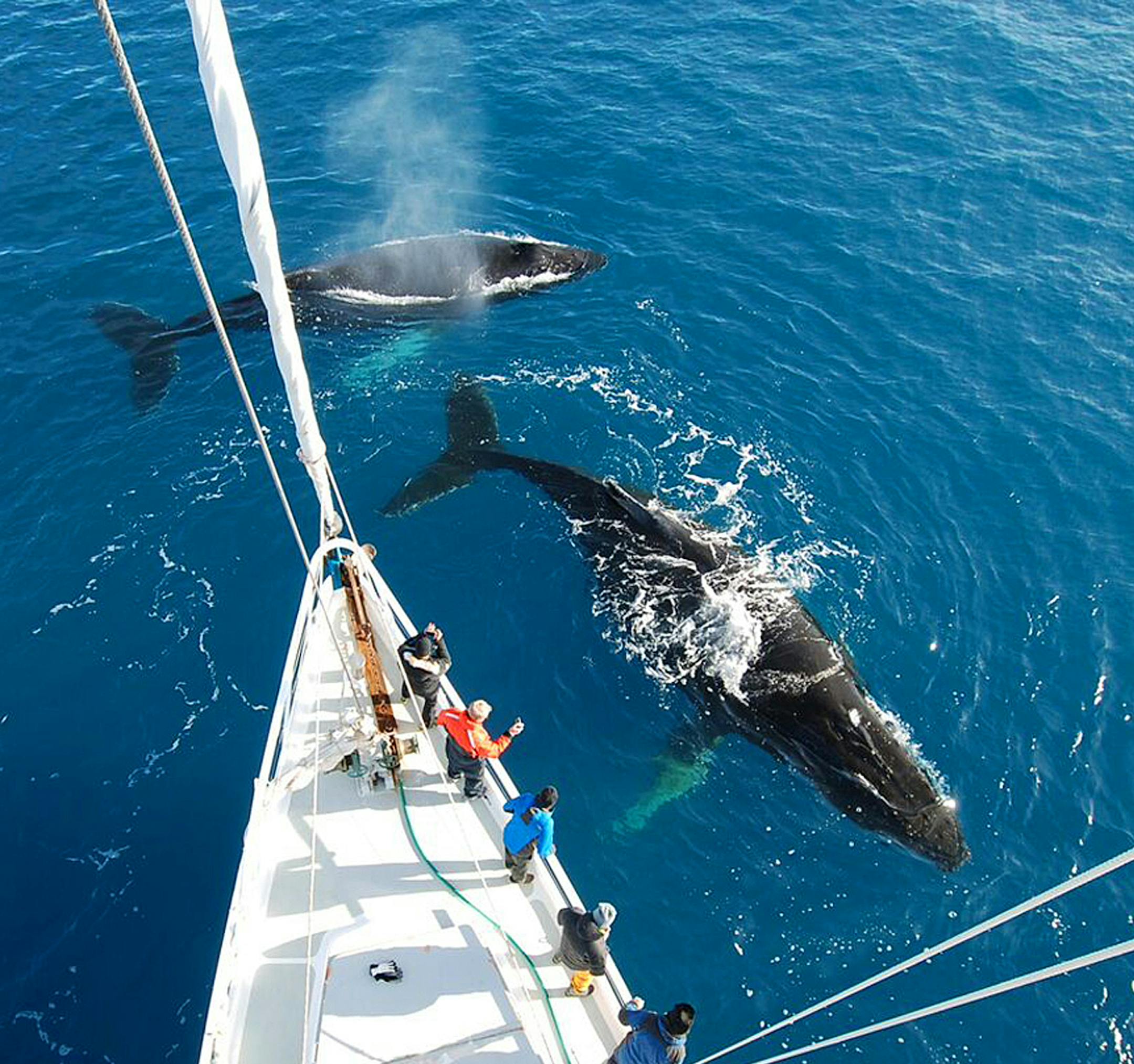
Though there is a tendency to think all Antarctic voyages see the same scenery — icebergs and penguins, right? — in fact, Antarctic voyages vary a great deal. Some hover at sub-Antarctic islands, spotting penguins aplenty yet landing just once, if at all, on Antarctica proper. Some passengers will be lucky to get ashore twice on their journey. Other ships set passengers ashore twice a day with multiple stops on islands and the Antarctic Peninsula, packing in hikes, wildlife sightings and visits to historic sites.
There are factors involved that few travelers know, and price doesn't tell the whole story.
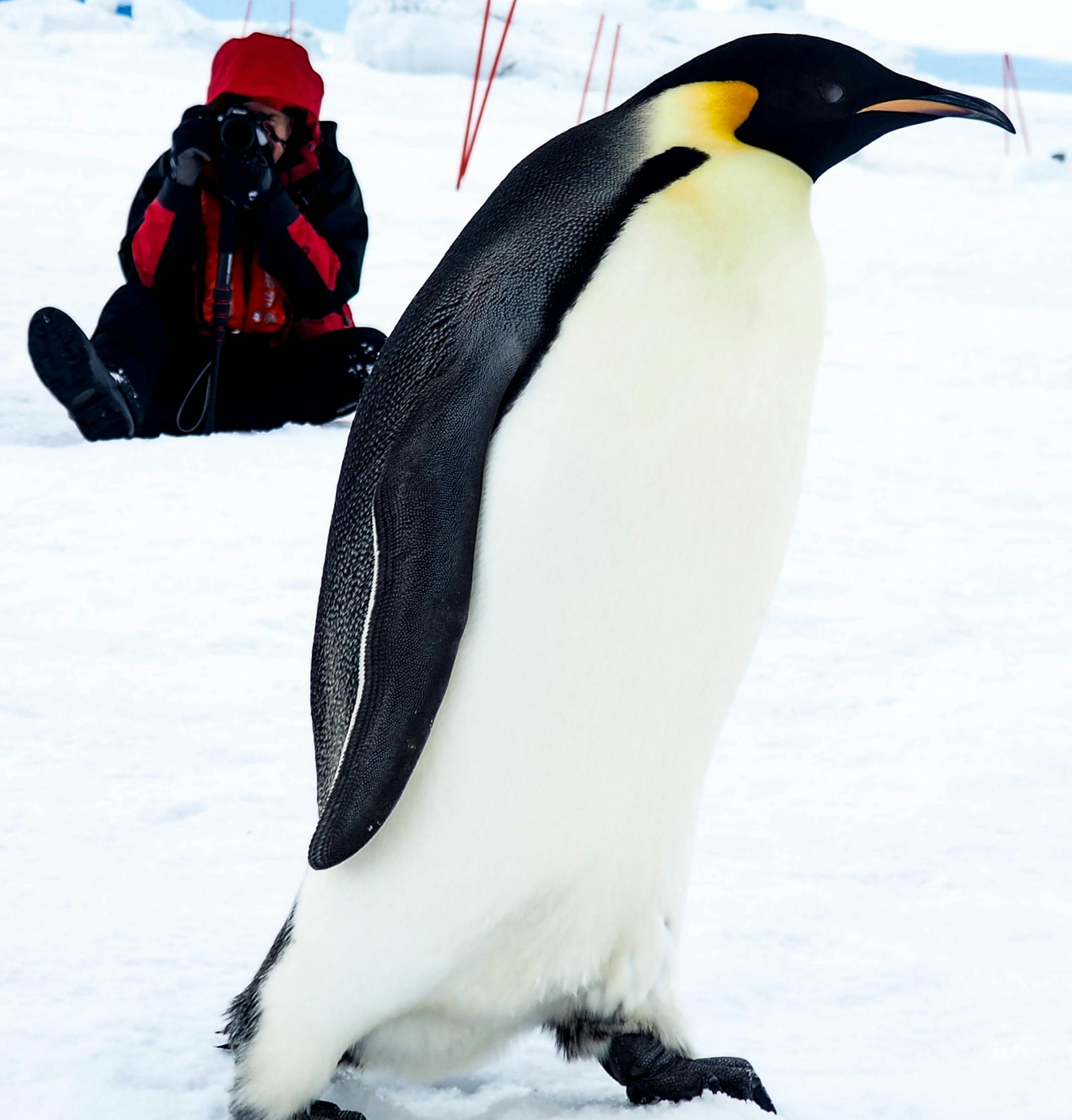
In November 2017, I sailed from Ushuaia, Argentina, on m/v Ortelius, with Oceanwide Expeditions. This sail's quest was to reach an emperor penguin colony, and those birds called to me as they did to many who saw film "March of the Penguins."
Emperor penguins are rarely seen by Antarctic visitors, though, because most colonies dwell below the Antarctic Circle amid unnavigable sea ice. The exception is a colony of 7,000 emperors on Snow Hill Island in the Weddell Sea, just below the Antarctic Peninsula.