

In 1971, two years after leaving the White House, Lyndon Johnson dedicated his sleek, windowless eight-story presidential library at the University of Texas. But in the pages of the Washington Post, the editorial cartoonist known as Herblock depicted Johnson as an Egyptian pharaoh opening "the Great Pyramid of Austin."
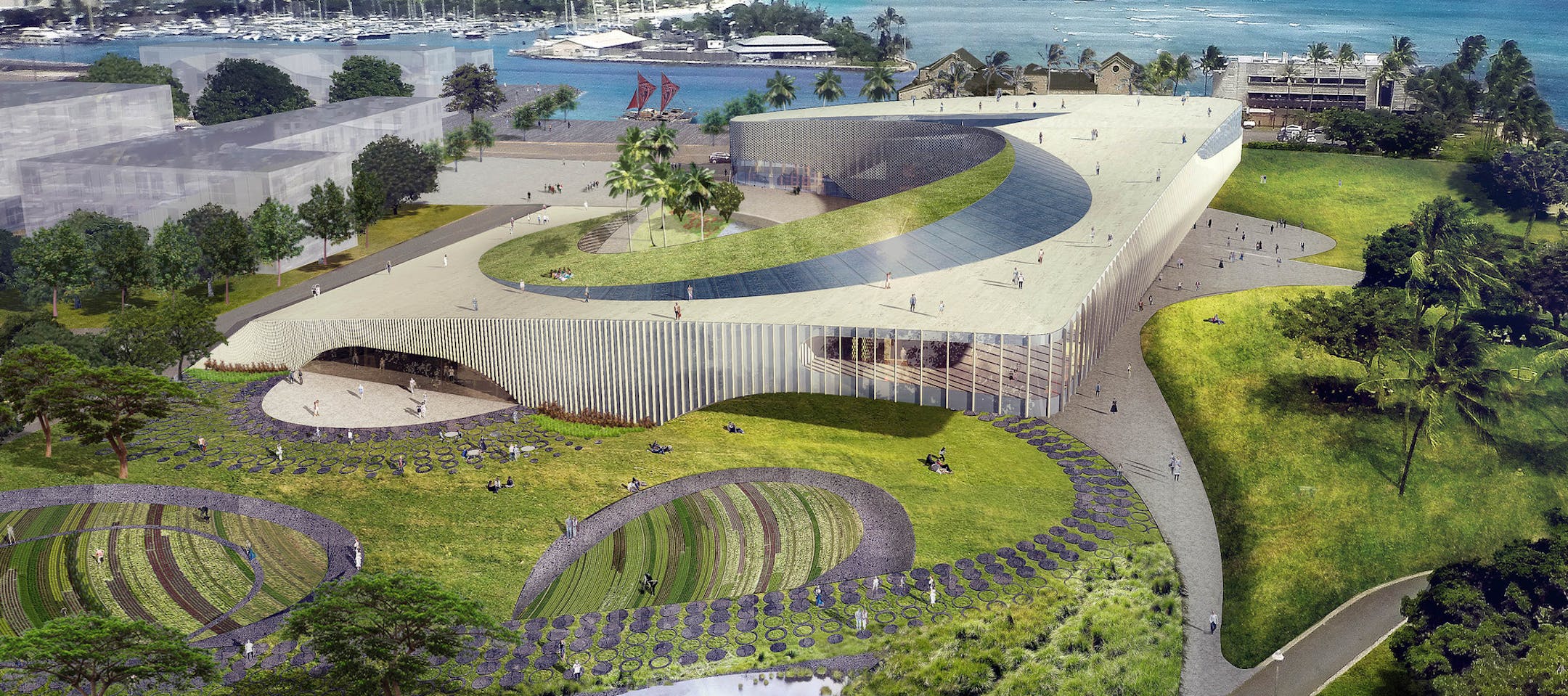
That's a perfect metaphor for presidential libraries, which memorialize our leaders — and their often-monumental egos — in brick, concrete and stone. Like the ancients, presidents start planning these shrines before their rule comes to an end. So early this year, President Obama will decree whether his own library will be in Chicago, New York or Hawaii.
The competition is fierce. It was reported recently that Obama's library foundation was skeptical about a bid from the University of Chicago because the university does not own the locations where it proposed placing the building. So Chicago mayor and former Obama chief of staff Rahm Emanuel swung into action, announcing Monday that the city would help the university acquire the land it needs.
But why should each president get his own library? Multiple libraries are wasteful, costing taxpayers millions of dollars every year. And they're undemocratic, because they allow our presidents — not the people who elected them — to define their legacies.
Presidential libraries aren't mentioned in the Constitution or in any of our other founding documents. They date to 1938, when Franklin D. Roosevelt — midway through his second term of office — announced that he would personally construct a public archive in his native Hyde Park, N.Y.
Roosevelt was worried that the records of his administration — like many prior presidents' papers — would be lost, destroyed or sold off to private bidders. He also wanted a place to write his memoirs and, most of all, to burnish his image as a defender of democracy.
So when Roosevelt opened his library in 1941, shortly after winning a third term, he contrasted American traditions of freedom to the looming threat of fascism. "This latest addition to the archives of America is dedicated at a moment when government of the people by themselves is being attacked everywhere," he declared.
In 1955, the Presidential Libraries Act converted Roosevelt's precedent into law. Each succeeding president would raise money to construct his own library, while the federal government would pay for its operation and upkeep.


