

Fiat Chrysler Automobiles (FCA) had an ambitious plan in 2014 to bring Alfa Romeo back to the United States and sell 400,000 of the vehicles worldwide by this year.
Those numbers did not pan out, but that might not be surprising for a brand that sold only 66,000 vehicles that year and had not been part of the U.S. market for decades.
As FCA's CEO Sergio Marchionne and company look to the future, the 400,000-a-year vehicle goal remains in play, but they now say that will happen by 2022. To ease the way, Alfa plans to launch a supercar, boost its electric offerings, add midlevel autonomous-driving features and give its celebrated Stelvio SUV a larger sibling.
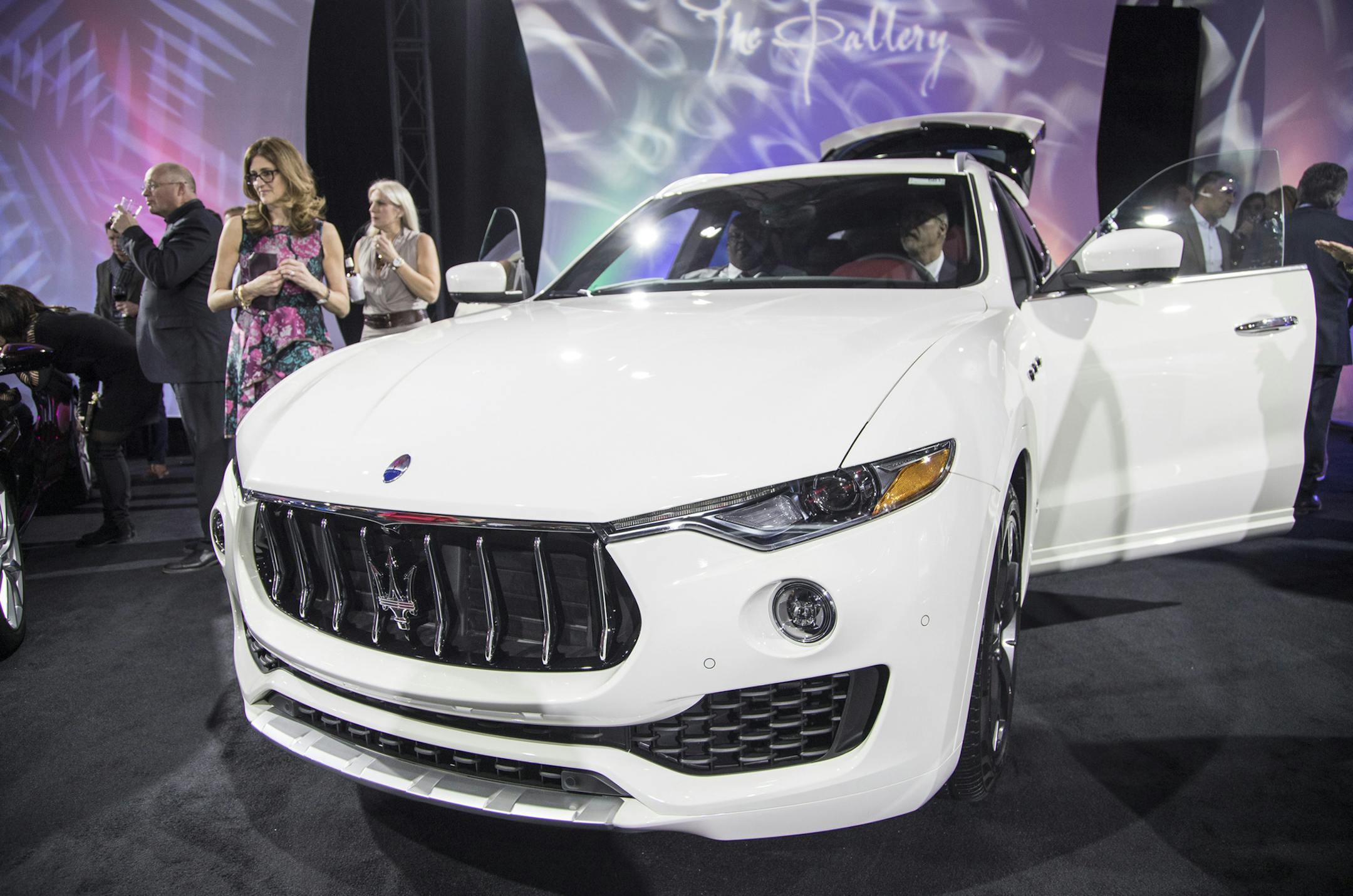
The brand known best in the United States for a fiery red lineup — other colors are available — of Giulia sedans, Stelvios and 4C two-seaters has grown enough to become a central part of the next five-year plan for the Italian-American automaker. Alfa-Romeo and its even more upscale cousin, Maserati, are two of four global brands — the others are Jeep and Ram — that FCA hopes to ride to riches.
At the recent Capital Markets Day event in Italy, Marchionne offered a key phrase to describe why brands like Alfa Romeo, Maserati, Jeep and Ram are being pushed globally, receiving the lion's share of investment in the coming years, while others, such as Chrysler, Dodge and Fiat, will become more regional brands.
He said the four are "protectable."
It goes to an idea about the importance of brand identity that Marchionne has described before. Some brands are distinctive, while those that are not risk commoditization. That could be especially problematic in a world ruled by autonomous-driving technology.
Alfa Romeo, Maserati and Jeep can stand out, the thinking goes. It's perhaps not a surprise that in its short exposure to the U.S. market, Alfa has eclipsed Fiat in sales. Although it remains a low-volume brand, Alfa Romeo has been on something of a tear, selling more than 10,000 vehicles this year to Fiat's fewer than 7,000, and continuing to grow.

