

The news from Syria was staggering: By mid-2015, some 300,000 refugees had fled Syria by crossing the Mediterranean Sea. Here in Minnesota, Dominique Serrand and his partners responded to that number as directors of a theater company would: "We said, 'That's a show we need to do.' "
This month, they're doing it.
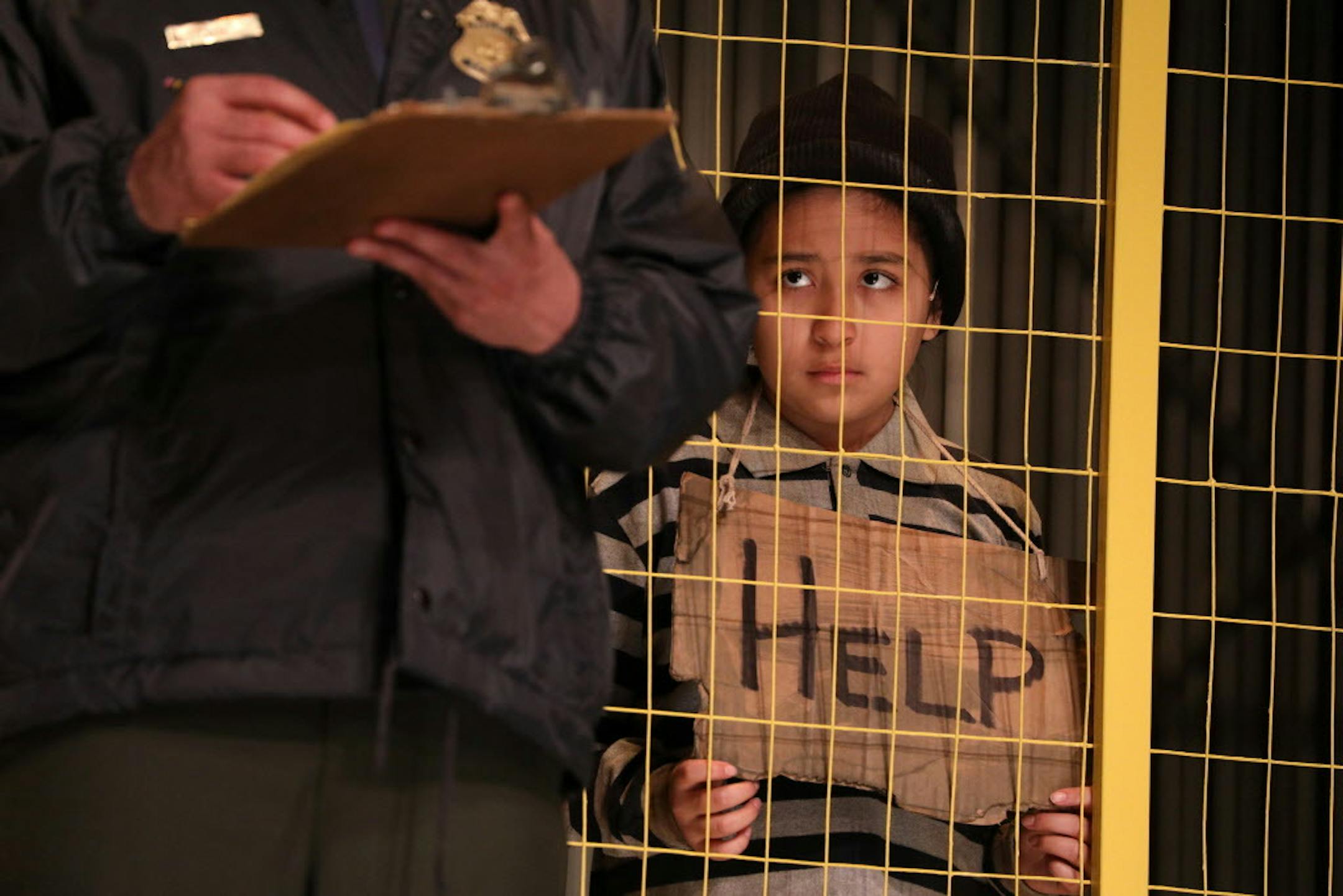
The Moving Company is staging a play at the Guthrie Theater in Minneapolis that is set at borders, including Syria, Mexico and the former Soviet Union. In nine chapters, "Refugia" tells refugees' stories, which the theater company built with the help of news reports, interviews and testimonies. "I hope the show moves people," said Serrand, the play's director, "gets them to engage, understand and feel closer to what these people are going through, which is abominable."
Across Minnesota, very different arts groups are tackling the same charged topic, one close to the state's heart: immigration. Stories of refugees and takes on immigration policy are popping up onstage, in photographs, in galleries. Some projects and performances were spurred by recent politics, including President Donald Trump's travel ban for citizens of six Muslim-majority countries. Yet most groups, including the American Swedish Institute in Minneapolis, planned their themes of migration and immigration long before the election.
In recent months, that theme has taken on new urgency.
"It's accentuated it, made the edges harder," said Bruce Karstadt, institute president and CEO. "It's made it even more relevant, more timely. But it's also made it more treacherous, because we are so divided, so polarized."
This month, the St. Paul Chamber Orchestra is hosting a weekslong festival called Where Words End, using Nordic music to explore ideas around migration. This spring, local presses seeded bookstores across the Twin Cities with free cards featuring poems about immigration and identity. History Theatre staged "The Paper Dreams of Harry Chin," the story of a Chinese man who came to the United States during a time when it forbade those from his country.
That plot seemed ripped from the headlines, as they say. But playwright Jessica Huang has long explored immigration, partly because of her own family's journey. She spent years investigating the Chinese Exclusion Act, the first law barring a specific ethnic group from the United States. That law, which prevented legal immigration by Chinese people from 1882 to 1965, did allow those with American parents to live in the United States — a loophole that led to a brisk business in forged documents and false "paper" fathers.


