

CHICAGO – If you are accustomed to traditional employment — a steady biweekly paycheck, reliable health benefits and a 401(k) with company match — Gabby Golub's patchwork of jobs might send you into a panic.
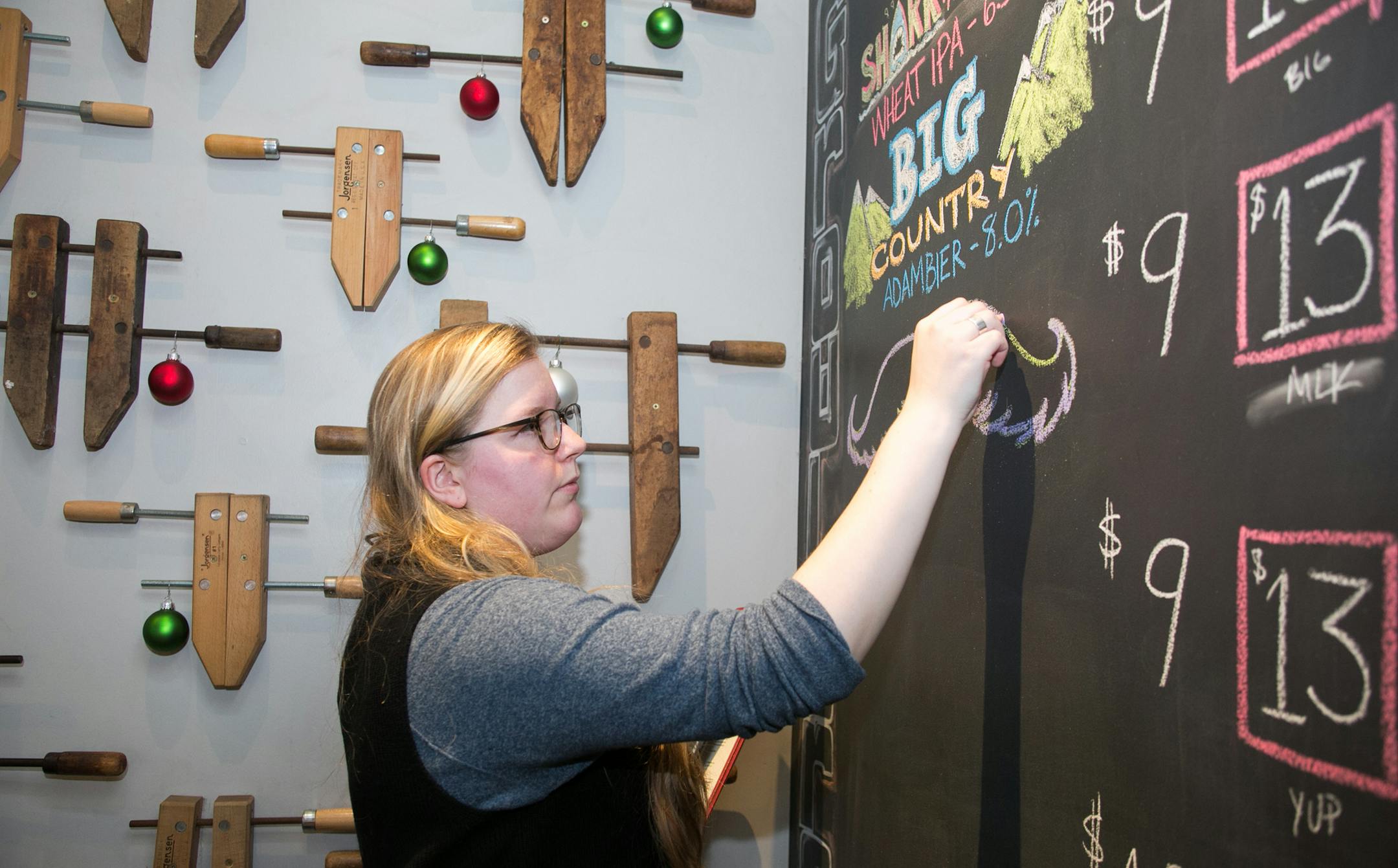
Golub cobbles together a living chauffeuring passengers through the ride-hailing app Lyft, working part-time in the IT department at her old high school and sketching chalkboard art for restaurants and other businesses on a freelance basis. Sometimes one gig leads to another, such as when a conversation with a Lyft passenger got her a job doing illustrations for a children's book.
"I enjoy the hustle so much more than the grind of full-time work," said Golub, 24, who lives with a roommate and is on her parents' health insurance plan, thanks to an Affordable Care Act provision that extended the cutoff age to 26.
Enjoy it or not, more people are hustling.
A growing share of the U.S. workforce relies on alternative work arrangements, which include on-demand gigs through online platforms like Lyft or Uber as well as work through temporary help agencies, freelance assignments and independent contracts.
The Bureau of Labor Statistics plans to conduct a comprehensive survey of these so-called contingent workers next year, its first since 2005, helping policymakers understand the size and makeup of a workforce not covered by many labor protections or privy to the benefits that come with a traditional employer relationship.
In the meantime, private research has shown significant growth in alterative arrangements that at best offer workers flexibility and at worst deprive them of economic security.
Nearly 16 percent of workers were engaged in alternative work arrangements in 2015, a jump from 10 percent in 2005, according to research released this year by Harvard economist Lawrence Katz and Princeton economist Alan Krueger. The rise over the prior decade was comparatively tiny, up from 9.3 percent in 1995.


