NEW YORK - From trying to figure out where people would live to how they would be able to vote and when all the lights will finally come on, government officials are still facing multiple fronts in the efforts to recover from Superstorm Sandy. All that, and there's another storm coming.
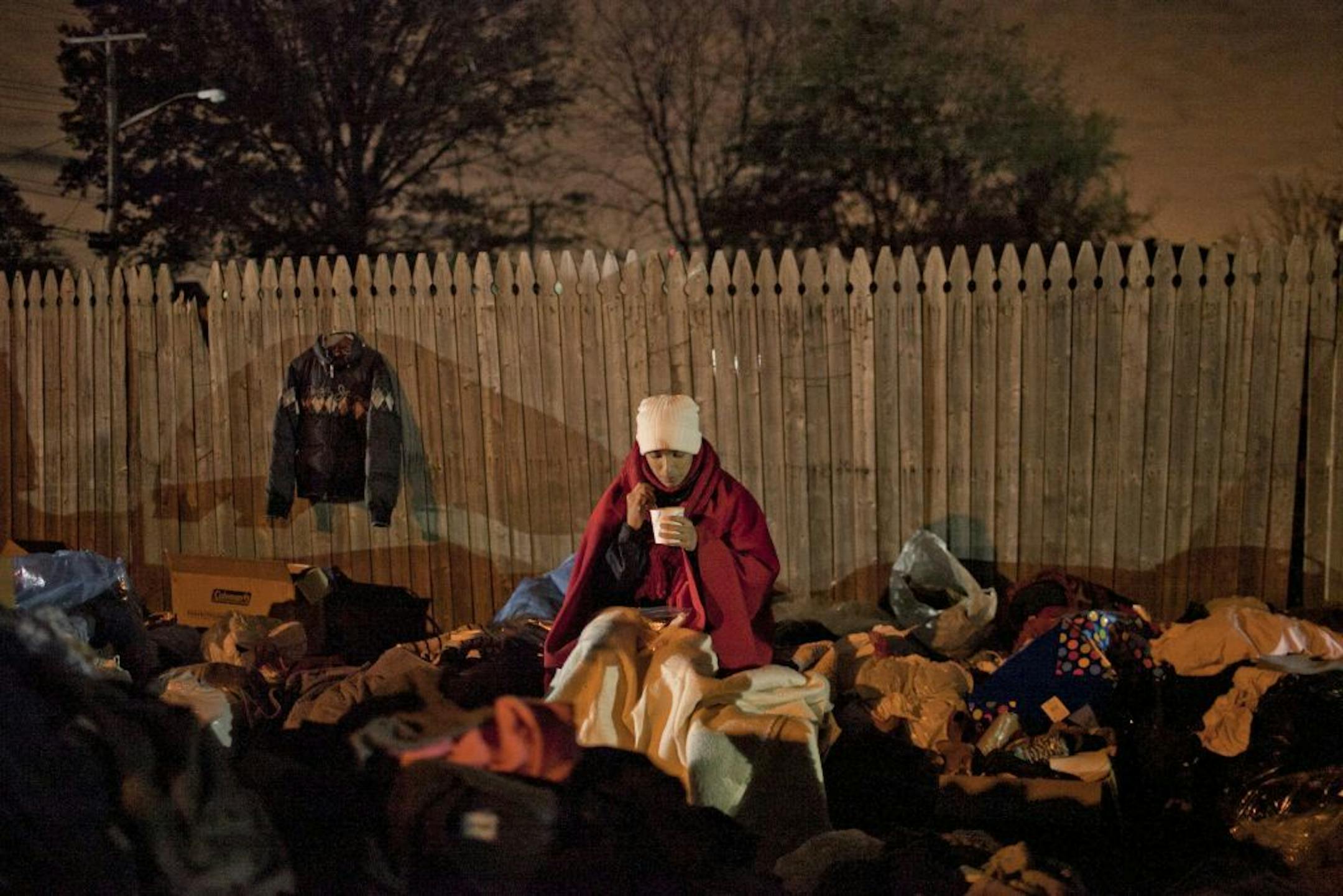
Where to house potentially tens of thousands of people left homeless by the storm is the most pressing crisis, as cold weather sets in.
"It's not going to be a simple task. It's going to be one of the most complicated and long-term recovery efforts in U.S. history," said Mark Merritt, president of Witt Associates, a Washington crisis management consulting firm founded by former Federal Emergency Management Agency director James Lee Witt.
FEMA said it has already dispensed close to $200 million in emergency housing assistance and has put 34,000 people in New York and New Jersey up in hotels and motels. But local, state and federal officials have yet to lay out a specific, comprehensive plan for finding them long-term places to live. And given the scarcity and high cost of housing there and the lack of open space, it could prove a monumental undertaking.
Sandy killed more 100 people in 10 states but vented the worst of its fury on New Jersey and New York. A week after the storm slammed the mid-Atlantic and the Northeast, more than 1 million homes and businesses remained without power.
Another storm — a nor'easter packing heavy rain and gusts of 50 to 60 mph — was headed for the area Wednesday, threatening more flooding and power outages that could undo some of the repairs made in the past few days.
With the temperatures dropping into the 30s overnight, people in dark, unheated homes were urged to go to overnight shelters or daytime warming centers.
Because so many people have been displaced by the storm, New York Gov. Andrew Cuomo issued an executive order allowing people to vote in Tuesday's statewide and presidential elections at any polling place in the state. New Jersey had already taken similar measures.