

Several House Republicans are pushing a fast-track bill that would prevent Minnesota election officials from recording voters' party preferences in the March 3 presidential primary and purge any data that's already been collected, part of an effort to address growing privacy concerns over the state's new primary election system.
In pushing the proposal, which will be introduced when the Legislature convenes on Feb. 11, some GOP lawmakers aim to stem new worries over a requirement that allows the state to collect data on which ballots voters request and send that information to the chairs of all four major parties in the state. There are no legal specifications about what the party chairs should — or shouldn't — do with that data.
The issue is getting renewed attention from lawmakers in both parties as Minnesota switches to a presidential primary system for the first time in nearly 30 years.
DFL leaders also have offered a plan to limit how the voter data is used, but some leading Minnesota Republicans have warned that any late changes could upend the state's role in the two parties' nominating process.
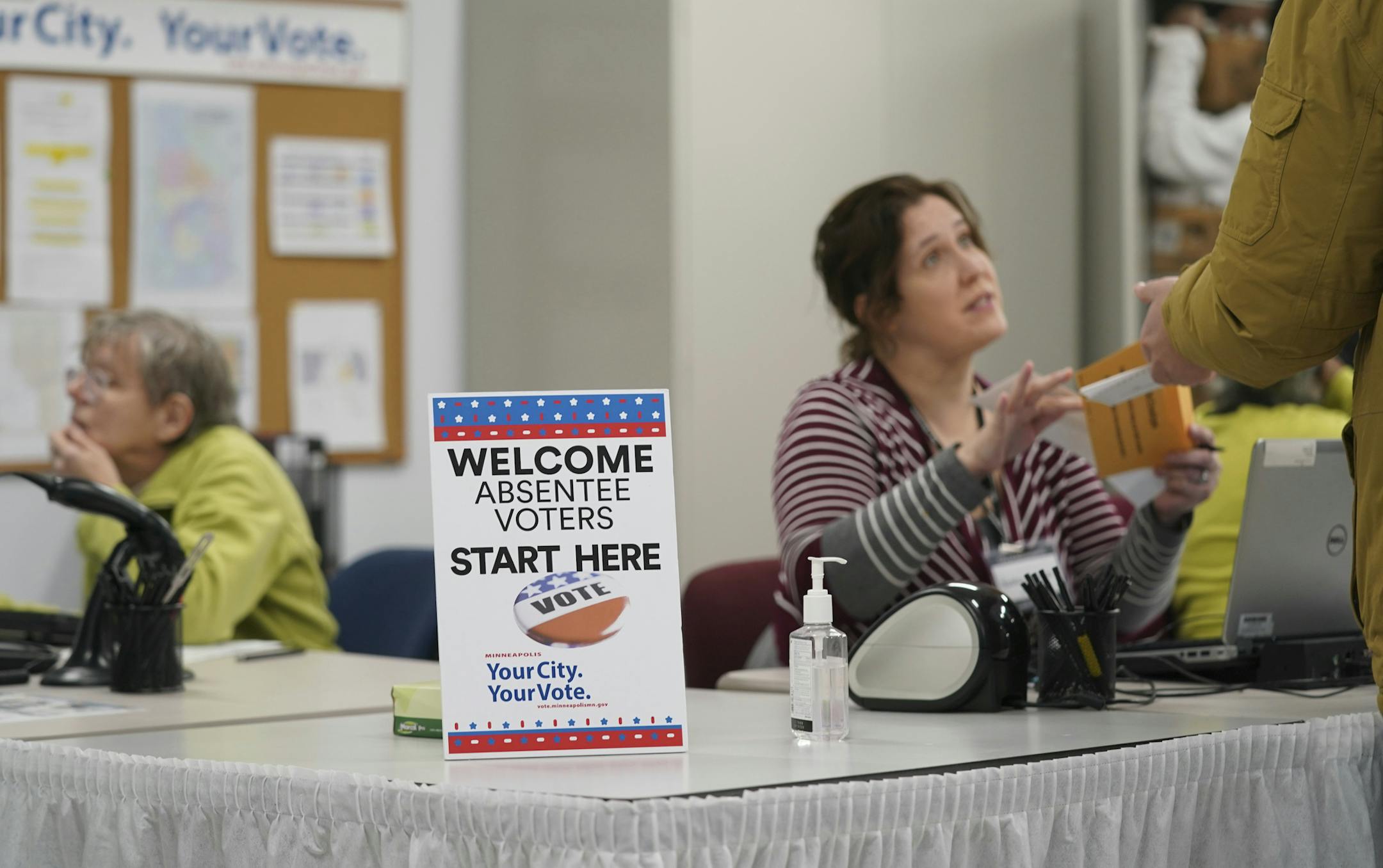
Early voting in the primary kicked off on Jan. 17 and thousands of Minnesotans already have cast their ballots. But Republican Rep. Peggy Scott, R-Andover, said she's heard from voters who might not participate at all because they don't want to disclose their party preference.
"In Minnesota we have a history of protecting people's private information, and this instance should be no different," she said at a news conference Wednesday. "Your vote is your business."
Scott, along with Rep. Pat Garofalo, R-Farmington, rolled out a plan Wednesday to block the collection of voters' party preferences.
Lawmakers switched to the primary in 2016 after high turnout bogged down the party-run caucus system with long lines and confusing rules that frustrated voters. The original bill would have made voters' party preferences public information, but lawmakers struck a deal last spring to limit the data to all four major party chairs, including the DFL, the Republican Party of Minnesota and two pro-marijuana parties.


