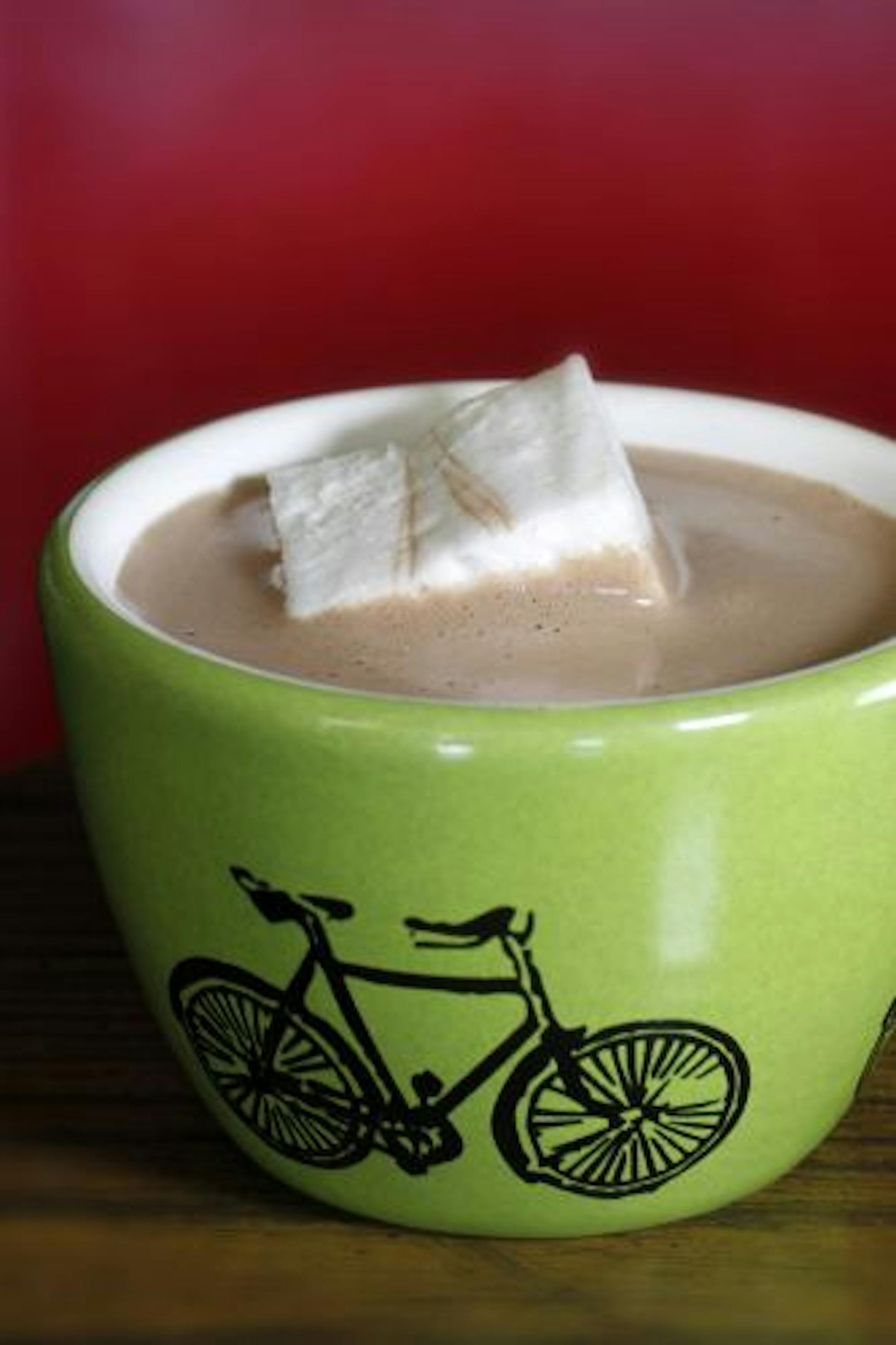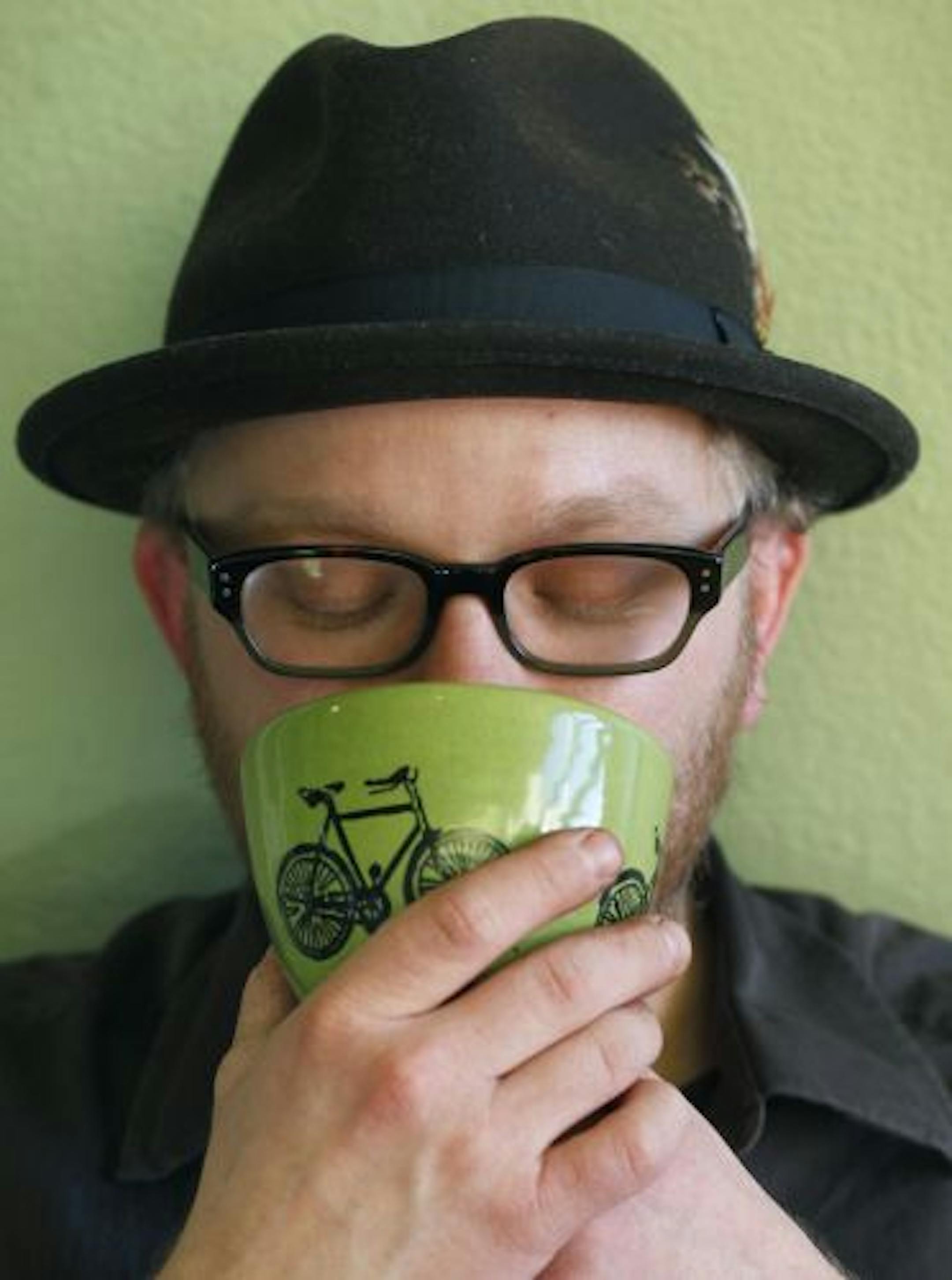
Andrew Kopplin, a man obsessed with coffee, also knows a thing or two about hot chocolate.
At his eponymous St. Paul coffee bar, the mornings are all about meticulously brewed espressos, lattes and macchiatos. But by about the time "General Hospital" signs off -- well, at least during snow season -- Kopplin's Coffee customers' tastes turn to admirably full-bodied hot chocolates.
"In the afternoons, it just about all we sell," Kopplin said.
Unlike the shop's coffee beverages, which require the kinds of intricate equipment that few consumers would keep in their kitchens, the hot chocolates on Kopplin's menu -- all six of them -- are easily replicated at home. Here's his quick course on the art and science of perfect hot chocolate.
The hot chocolate backstory. "I'd been reading a lot about mochas," said Kopplin, referring to the period prior to opening his coffeehouse in 2006. "They were originally made with darker chocolate. I like dark chocolate, and mocha is how I got into coffee, it's my gateway drug. As I got into finer coffees, I got away from mochas, and realized that the reason why is because most mochas are so sweet. I mean, Hershey's syrup is the norm. So I wanted to make a mocha that a coffee lover would love. And of course, once you do that, you really have a great hot chocolate, once you take out the espresso."
Buy the best. Kopplin relies upon chocolate produced by Callebaut, Valrhona and Rogue Chocolatier. "Nothing at Kopplin's is cheap, but in the end, you get what you pay for," he said. "Callebaut is delicious, but Valrhona is amazing, and Rogue is out of this world," he said. "The 80 percent Valrhona [the higher the figure -- and 80 percent is fairly stratospheric -- the greater the percentage of cocoa mass, and the more intense the flavor] is so dark that it's almost savory."
Break it up. At the shop, Kopplin pulses the chocolate in a food processor, "Until it's basically a powder," he said. "But small pieces, or chips, will work just fine. The reason we chop it small is because we have to make the drink in less than a minute."
The secret ingredient. "The reason we add cocoa powder, and why we don't just chop up chocolate and put it in milk, is because cocoa powder helps the milk and the chocolate adhere to one another," he said. "You don't need cocoa powder if you heat up the milk and the chocolate super-slow, because then you can get the chocolate to incorporate. But it really doesn't want to attach to the milk molecules the way cocoa powder does. Chocolate has a richer taste, with unique, deep tones and complex flavor profiles, but cocoa powder makes hot chocolate feel thick, it has the mouth feel."