

There's a $72 billion federal program that controls the money of 8 million vulnerable Americans, and you've probably never heard of it.
The Social Security Representative Payee system designates a third party to collect the benefit checks and pay essential bills for recipients who can't do it for themselves. About half are disabled minors, whose parents typically manage their SSI benefits. The rest suffer from Alzheimer's, mental illness, serious addiction or some other incapacitating condition.
Social Security prefers to choose family members or others close to the recipient to be rep payees. As a last resort, it will hire a professional who's allowed to take a monthly fee, typically $40, from the beneficiary in exchange for handling their money.
Their powers are similar to those of conservators, whose appointment must be approved by a judge after a hearing. Unlike court-appointed conservators and guardians, the process for choosing and monitoring rep payees is cloaked in secrecy, no doubt inspired by Social Security's mandate to protect the privacy of its recipients.
A small number of people look at Social Security beneficiaries not as human beings, but as a stream of monthly payments to be intercepted for their own use.
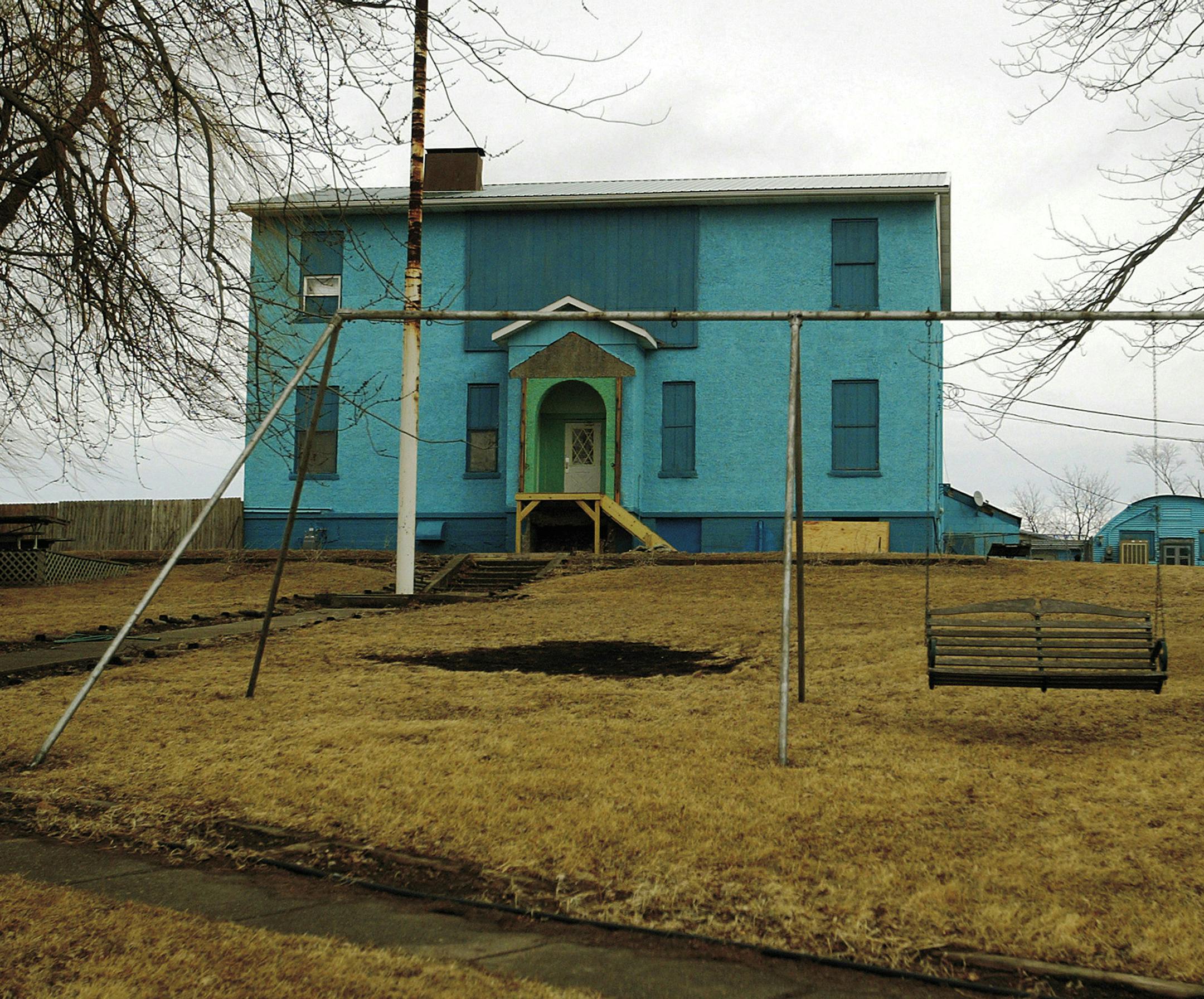
The potential for abuse became obvious in 2009, when 21 intellectually disabled men were discovered living in virtual servitude in a squalid bunkhouse in Atalissa, Iowa. Their employer, Henry's Turkey Service, was also their landlord and their representative payee, collecting their disability checks and keeping most of the money.
Closer to home, at least two Minnesotans have gone to prison since 2013 for stealing benefits meant for their disabled children.
More recently, Social Security terminated its contracts with two organizational payees in the Twin Cities, affecting nearly 700 beneficiaries. The agency terminated the Minneapolis-based J.T. Kitt Society, with a caseload of 370, in April over differences with its administration and bonding, although there were no questions about misuse of benefits. Social Security isn't saying as much about Greenleaf Payment Services, a Richfield organization that lost its caseload of 290 in July and is now under investigation by the agency's Inspector General, according to Carmen Moreno, a Social Security spokeswoman in Chicago.


