

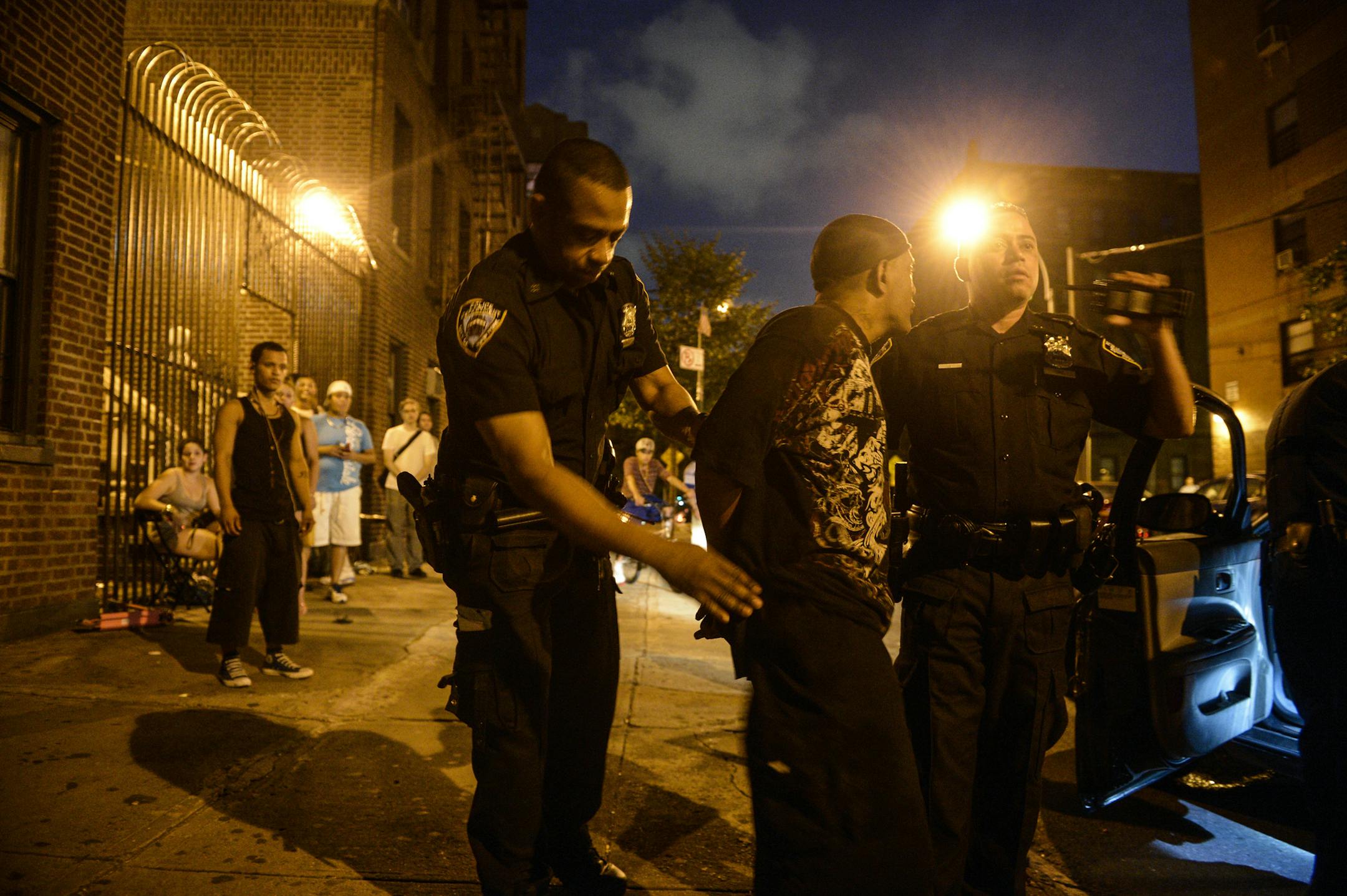
Michael Bloomberg is coming under fire for many things, including his role in overseeing the New York City Police Department at the height of its stopping, questioning and frisking young black and brown men.
There's a distorted story being told. I want to explain what I saw up close.
I personally witnessed Mayor Bloomberg's determined attempt to come up with an alternative to stop-and-frisk at the height of the crisis in police-community relations. Some 11 years ago, Bloomberg gathered 25 to 30 of the city's civic community and religious leaders at Gracie Mansion at the height of the crisis in police-community relations, and after two days of deliberations and debate, the group was unable to come up with a better alternative. I know because I was there.
Let me state at the outset that I am not a member of the Bloomberg campaign, nor have they reached out to me for my support. I simply want to set the record straight.
Both the left and the right have used questions around NYPD stop and frisk as a litmus test on racism. The stubborn issues associated with high crime and poverty have baffled us all. We will never get to the bottom or understand the root causes until all stakeholders are at the table of action.
Youth violence and crime were escalating, so the mayor would frequently host meetings with community leaders to get our opinions and suggested solutions. Participating in some of these dialogues with the mayor led me to believe that he genuinely cared about all the citizens of New York City and that his approach to policing was not racially motivated. Rather, his actions were driven by a desire for results, to remove illegal guns from the streets and keep the city's citizens safe. If I had been mayor, I don't know that I would have done anything differently.
Years later, during my own mayoral campaign in 2017, conversations with citizens throughout the city reinforced my appreciation of the challenges Bloomberg faced confronting the stubborn problems of high crime rates in predominantly black and brown neighborhoods. At meetings we organized in public housing communities, elderly residents expressed support for a strong police presence which included stop-and-frisk to ensure that their safety and well-being would be protected. Even with crime declining overall, they were afraid, ashamed and desperate for solutions to the crime in their communities.
Great leaders are willing to take on whatever forces threaten the well-being of the community, even if the proposed solutions are unpopular. Gun violence remains a serious problem that is still prematurely ending too many lives. Every day, 100 Americans are killed by guns; almost 40 of those deaths are homicides.


