

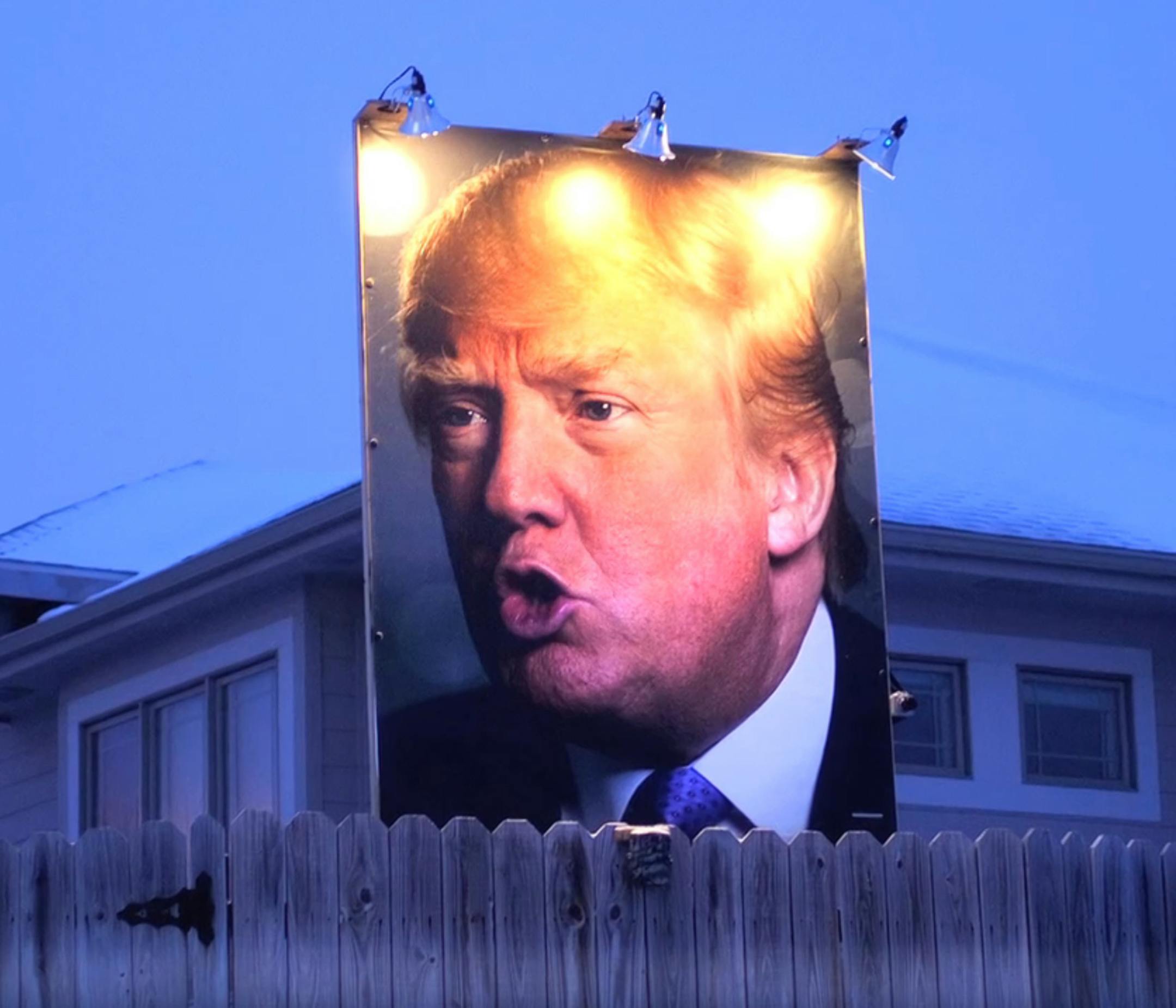
Just a glance at RealClearPolitics or Pollster shows that the 2016 presidential election has tightened considerably over the past month. As of Thursday morning, the political website FiveThirtyEight puts the odds of a Trump victory at better than 40 percent, which should be way too high for my comfort. There is the possibility that, with the steadier management team that he installed last month, Trump could improve on his complete ineptitude as a general-election candidate and actually overtake Clinton in the polls.
This tightening has caused some on the left to freak out a fair amount. Nonetheless, prediction markets have not had nearly as strong a reaction. And while some news outlets are exploring the prospects of a Trump administration with appropriate seriousness, many pundits are not freaking out at all.
This is causing Nate Silver to freak out a little. Silver, of FiveThirtyEight, tweeted: "Never seen otherwise-smart people in so much denial about something as they are about Trump's chances. Same mistake as primaries, Brexit."
I'm one of those pundits who would be super-scared about a Trump presidency but have not been terribly perturbed by the narrowing in the polls in recent weeks. As someone who suggested that elite contentment may have been a causal driver of Trump's primary victory, am I falling into the cognitive trap that Silver has laid out? At a moment when the American populace no longer trusts itself (or, rather, other Americans), why am I so calm that things will work out?
As an exercise in transparency, I thought it would be a good idea to explain my current thinking. It does not mean my thinking is right, mind you — I'm a political scientist, but I'm not a political scientist who specializes in American politics.
Fortunately, RealClearPolitics's Sean Trende — hardly a Clinton devotee or a believer in her inevitable triumph — wrote something two days ago that matches my assumptions on how the race is playing out as well. Here's the key part:
"A truly terrible news cycle was still not enough to put Trump ahead. In a strange way, that's good news for Clinton. The rhythm of the campaign is such that news cycles are almost guaranteed to swing the other way, and, well, Trump has a history of giving them an assist. The bad news cycle can also cause Republicans to break through likely-voter screens while Democrats become less likely to answer the polls; this "differential response" issue explains a lot of the ebb and flow of campaigns. But we have to wonder: If this didn't catapult Trump to an electoral lead, what could?"
My model of this election is that Trump has a rigid core of supporters but also a hard ceiling on that support. Clinton has more voter support but also more "soft" support. These are voters who become easily disaffected when she has a bad news cycle or two. (It's also possible that those on the left get disaffected when she appeals to moderate Republicans and vice versa.) So when the race looks close, it's not because Trump is attracting Clinton voters, it's because possible Clinton voters are not feeling all that good about Clinton and might choose not to vote — or answer a pollster.


