

Medical tests save lives. But many Americans say they don't have time to see a doctor, live too far from a medical facility or are so uncomfortable with examinations that they avoid tests altogether.
These challenges have created a demand for home-based medical tests. According to sales estimates, genetic health tests sold directly to consumers amounted to $99 million globally in 2017, with an annual average growth rate of 25.6 percent.
Most tests can be purchased online or at a pharmacy. A few require a doctor's prescription, but all are administered by the patient at home. In addition to genetic tests, some detect or monitor existing conditions, like high blood sugar and cholesterol, colon cancer, sexually transmitted diseases and urinary tract infections.
Surprising discoveries
After learning that she was conceived with a sperm donor, Ann Melinger had "a lot of questions."
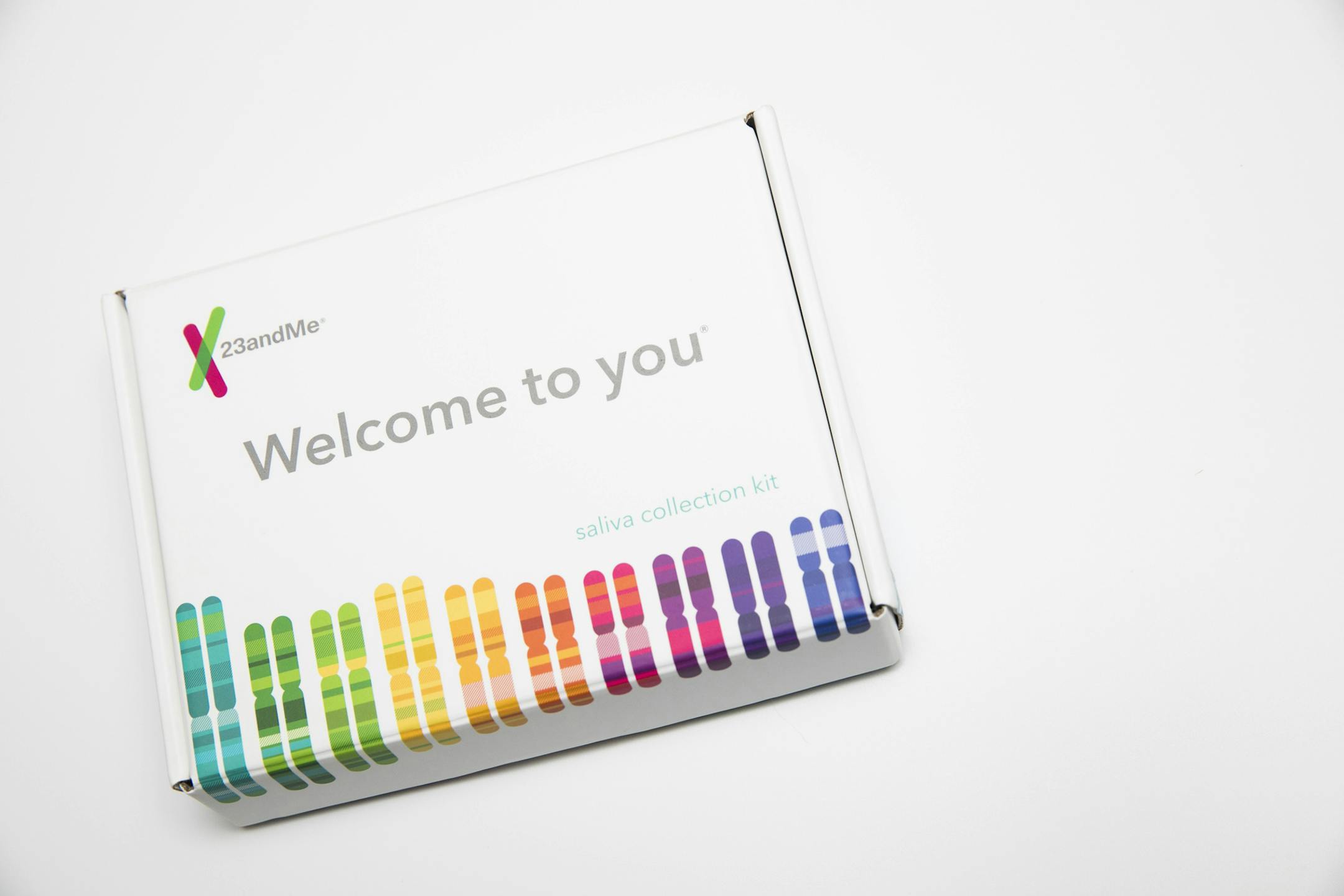
When she heard about 23andMe, a genetics testing company that offers do-it-yourself kits, she thought it would be an easy way to learn more. 23andMe offers two kits that test a saliva sample to provide information about ancestry ($99) or both ancestry and some genetic health risks ($199).
Melinger's test results revealed that she was positive for the BRCA1 mutation, indicating an increased risk for breast and ovarian cancer. She consulted medical specialists, including a genetic counselor to confirm the results and explain her risks.
Melinger, then 36 with two children, opted for the surgeries. "For me, it was really potentially lifesaving information."
Home health tests are regulated by the FDA, which provides a database of approved tests on its website.


