

As terrifying as the spread of the coronavirus is, the speed with which it has shut down the U.S. economy has been even more shocking. Entire industries shuttered and almost every place where people gather closed in a matter of weeks.
Medical and economic recovery hinges on a terrible conundrum: The very measures needed to stop the spread of disease also inflict immediate and massive damage to the economy, along with the livelihoods of millions.
Accepting this, cooperating with even painful measures is vital. So too is the response of the federal government, which must take unprecedented action in this growing crisis. For all the differences this Editorial Board has had with President Donald Trump, his instinct to go big and fast is the right one and Congress should heed it.
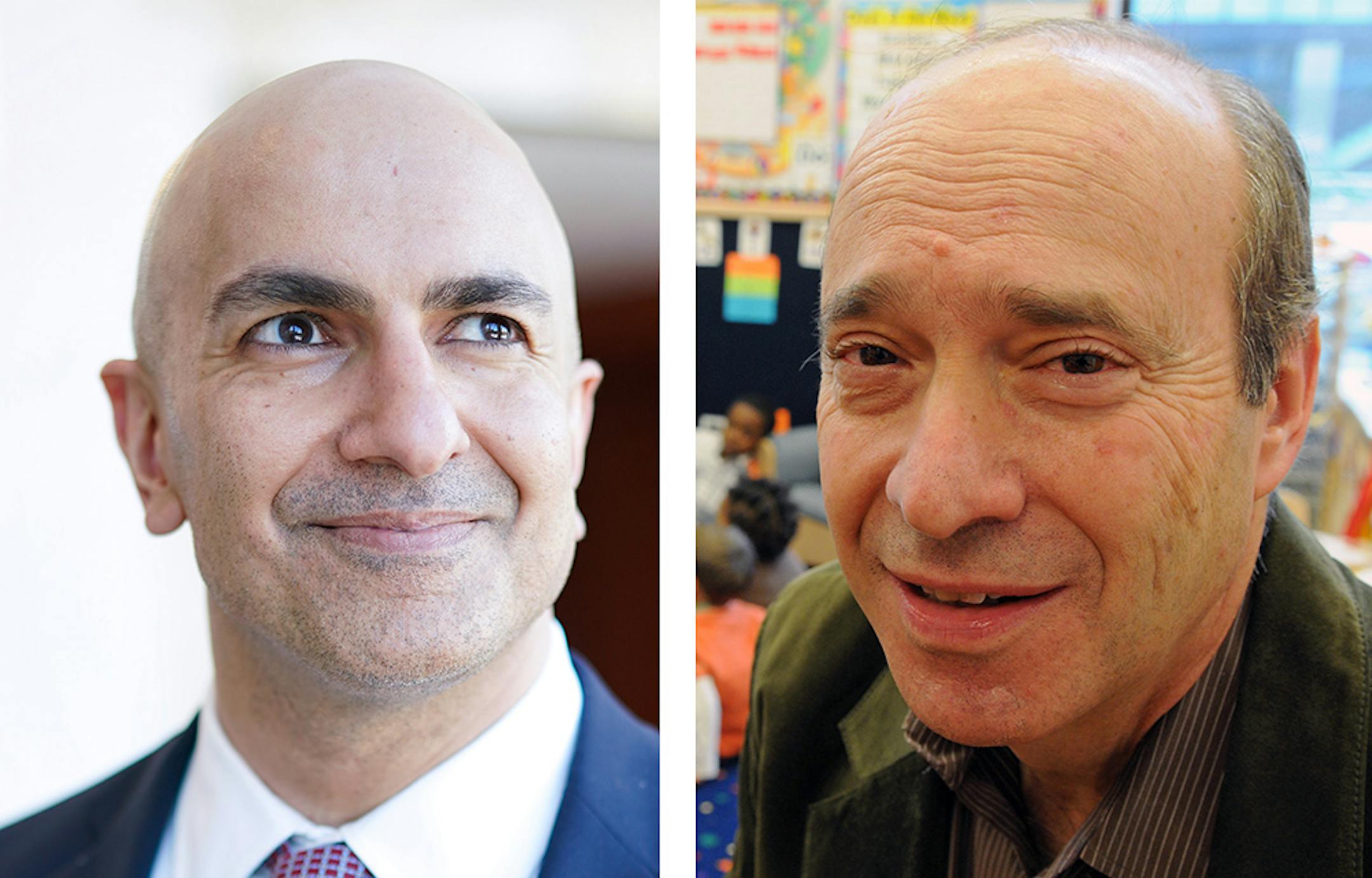
And yet, some responses make more sense than others. Neel Kashkari, president of the Federal Reserve Bank in Minneapolis, told an editorial writer that the economic response should be guided by a few key principles:
1. Help otherwise sustainable businesses stay afloat and keep workers on the payroll.
2. Speed and scale are of the essence. "People need help right now," Kashkari said. To limit damage and hasten recovery, the government must act quickly.
3. Help individuals do their part to limit contagion. That means sick leave, unemployment coverage and cash assistance to help them keep their houses and pay bills even if they must stay home.
4. Stay flexible. Waves of assistance may be needed, Kashkari said, possibly until a vaccine is discovered. "No one knows yet whether lifting quarantines months from now would result in another outbreak," he said.


