

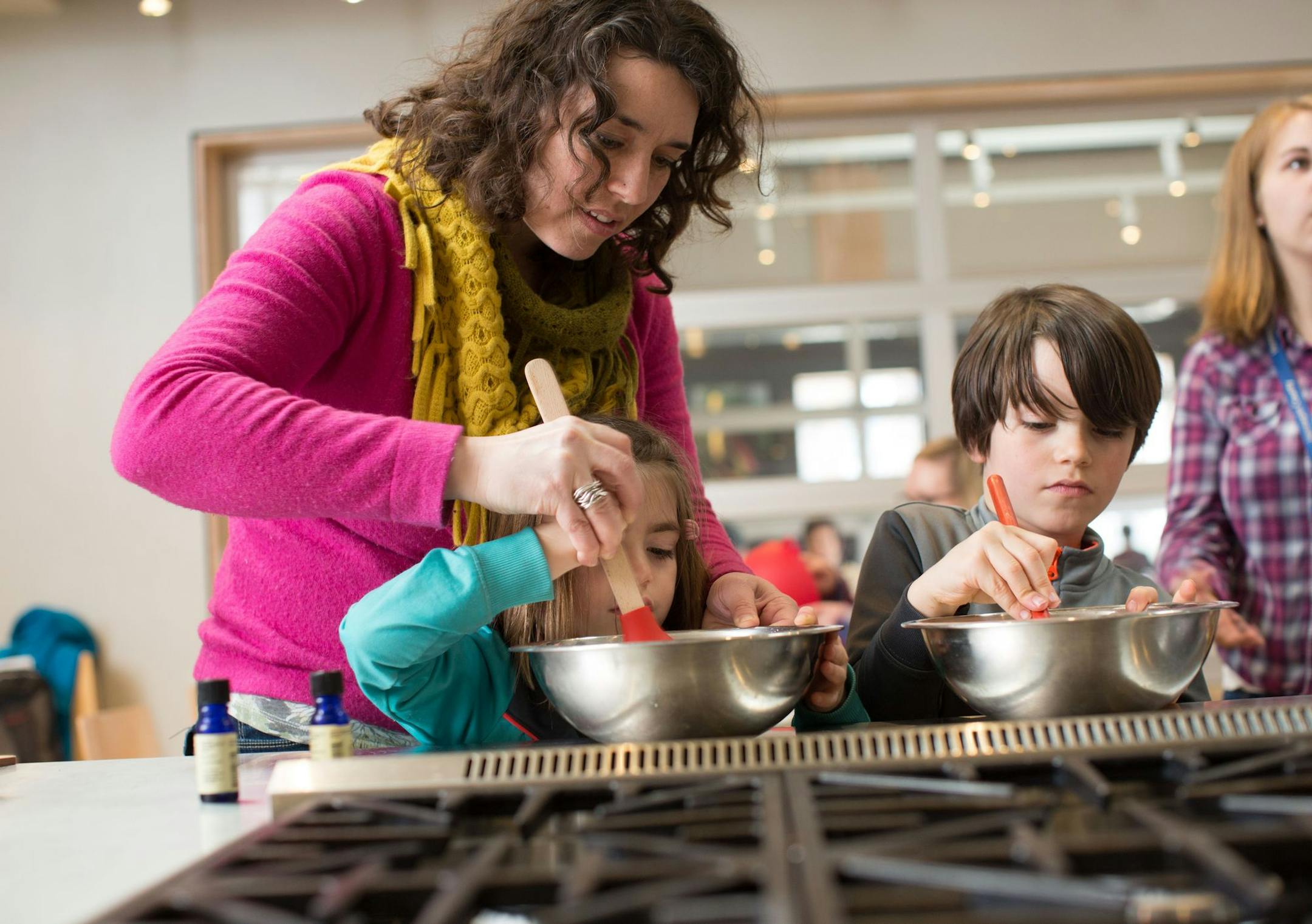
Ali DeCamillis and her young St. Louis Park family were already thoughtful about how they reduced household trash. The plan included recycling and backyard composting.
But a hands-on, nearly yearlong "Zero Waste Challenge" initiative in Hennepin County — modeled after a successful program by a city in France — became a real eye opener for how much they could do.
"We are such a consumer-based society," said DeCamillis. "It's easy to bring things into your home and not think about how it gets disposed. We couldn't have tackled this without the county's help."
Her family was one of 35 households picked from among 200 applicants for the program. The commitment included attending several workshops and weighing their waste every week. A county staffer frequently met with the households, assessing waste patterns to develop a reduction plan.
Even with relatively few households in the program, its results were significant. Participants cut the amount of waste they produced by 20 percent. On average, they recycled or composted 62 percent more of their waste stream, which is nearly 20 percent higher than the countywide diversion rate.
"We know everybody has a busy life, and really thinking more about how to change waste habits is a tough tide to turn," said Carolyn Collopy, a senior environmentalist with the county.
Minnesota has set a statewide goal to divert 75 percent of waste to organics and recycling by 2030. Hennepin County decided it wanted to analyze the products used by county residents that impede greater waste reduction, she said.
Officials weren't able to find an appropriate model for the study in the United States, but discovered an interesting approach in Roubaix, a town in the north of France. The French model found that direct contact between environmental workers and consumer households yielded the best results.


