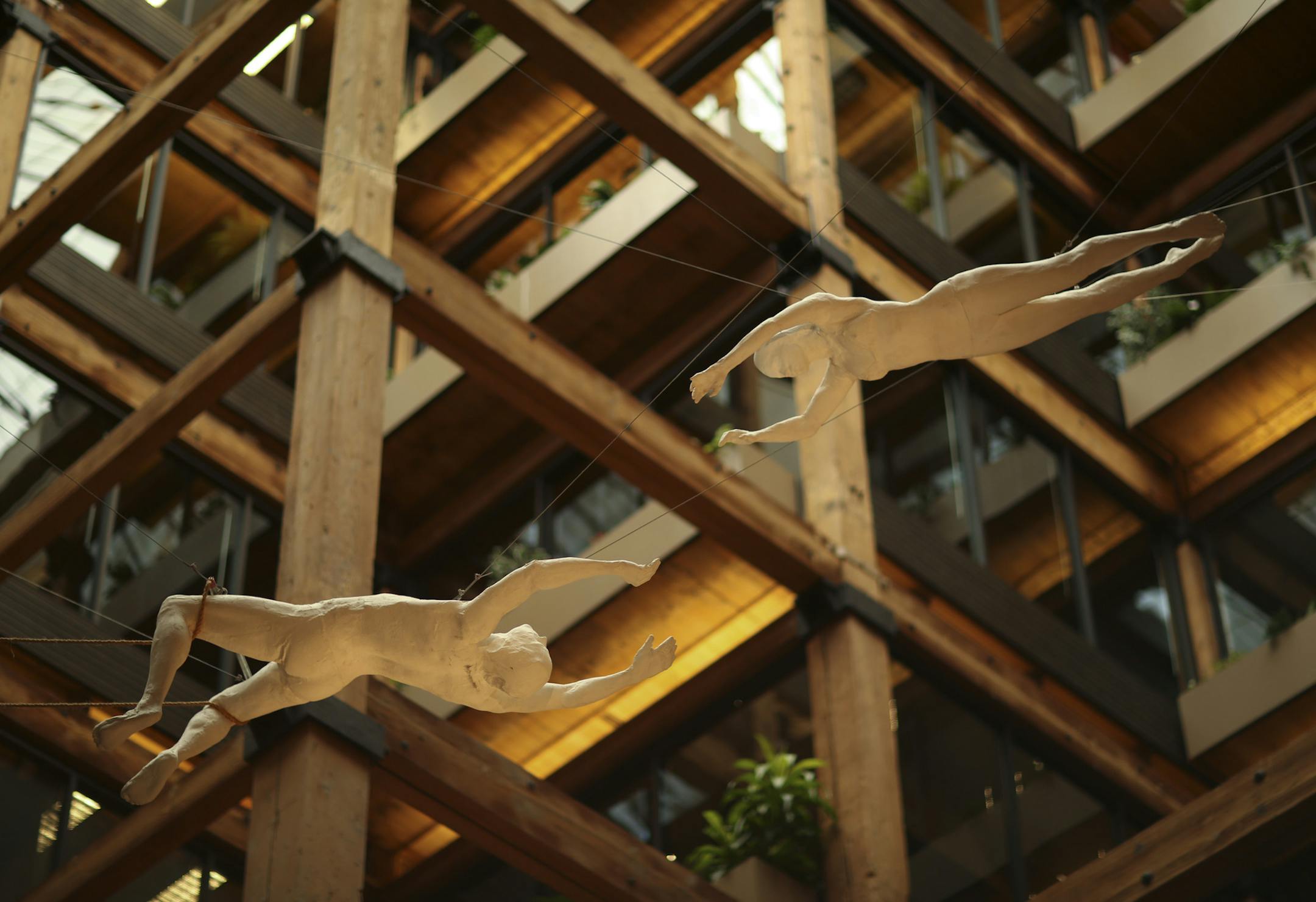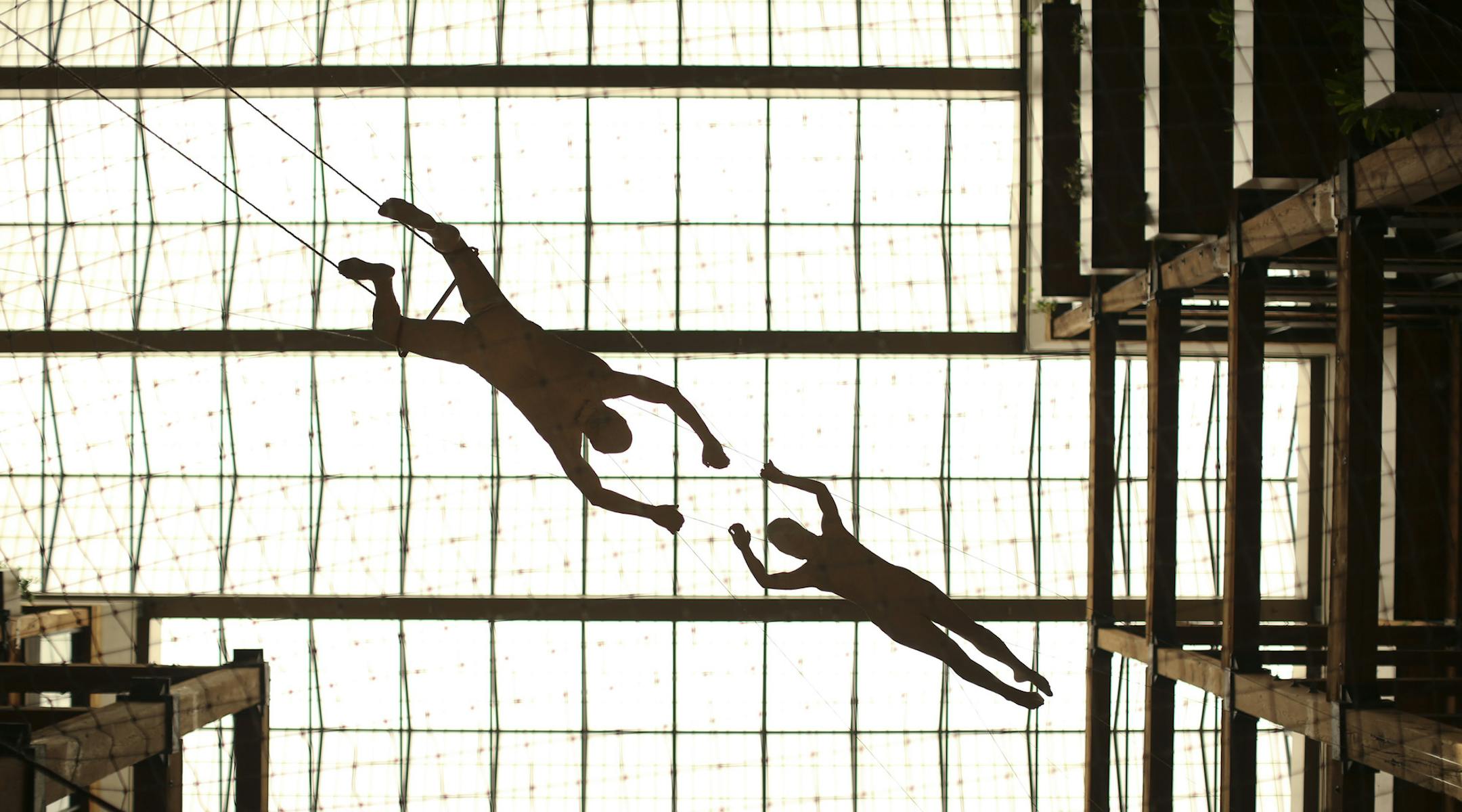
At the turn of the 20th century, heavy timber was the preferred choice for providing the structural framing for multistory commercial and apartment buildings.
Remnants of that era are among the most treasured historic buildings in the Twin Cities, such as the 500,000-square foot Butler Square in Minneapolis, where Douglas fir trees were fashioned by timber magnate T.B. Walker into mighty posts and beams supporting the weight of the massive nine-story warehouse.
But with the rise of concrete and steel after World War I, the idea of using timber framing for tall buildings fell out of favor — at least until now, as environmentally conscious architects and engineers (and of course, the wood products industry) are pushing to revive what has largely become a lost art form as part of a larger "green building" movement.
They're not only touting the reduction of a building's "carbon footprint" by using wood framing for mid-rise structures, but also its beauty as an architectural material and cost-effective product.
"There's this kind of awakening, sort of the rebirth of timber," said architect Brian Court of Seattle's Miller Hull Partnership, who was speaking this week at a wood products industry event at the Minneapolis Convention Center.
Named Seattle's "Young Architect of the Year" in June by that city's branch of the American Institute of Architects, Court recently finished work on the Bullitt Center — a six-story office building in Seattle that used wood framing as part of a foundation challenge to design "the greenest commercial building in the world."
"It's a huge movement right now, and there are lot of engineers and architects focused on it because of the virtues of timber framing from an environmental footprint perspective," he said.
"If you consider the forest, when you're growing the trees, carbon is sequestered in the wood. Even after you mill it, deliver it to the site and install it, all the energy it took to create that material is virtually offset by the sequestered carbon inside it, whereas concrete and steel require massive amounts of energy to generate the final structural product — tenfold, if not more."