

Having a heart attack is one of life's great stressors, so it's no surprise that nearly one in five heart attack survivors qualify for a diagnosis of a major depressive disorder, doctors say.
For insurers like Minnetonka's UnitedHealth Group, this can turn into a double-whammy of paying for a patient's emergency heart care, only to see the person develop a much greater risk of another heart attack or dying in the future because of depression.
At UnitedHealth's OptumHealth unit, clinicians and number crunchers have examined this costly problem and devised a strategy that they say improves the mental health of heart-disease patients and results in 35 percent lower costs.
Rather than wait for traditional hospitals and clinics to provide this care, OptumHealth does it directly through its own clinicians.
Both UnitedHealth Group and rivals CVS Health and Aetna made multibillion-dollar moves last week to ramp up efforts to provide the kind of direct patient care traditionally associated with hospitals and clinics.
UnitedHealth Group announced Wednesday that it plans to buy the DaVita Medical Group in a $4.9 billion deal that would include nearly 300 primary and specialty care clinics, 35 urgent care centers and six outpatient surgery centers.
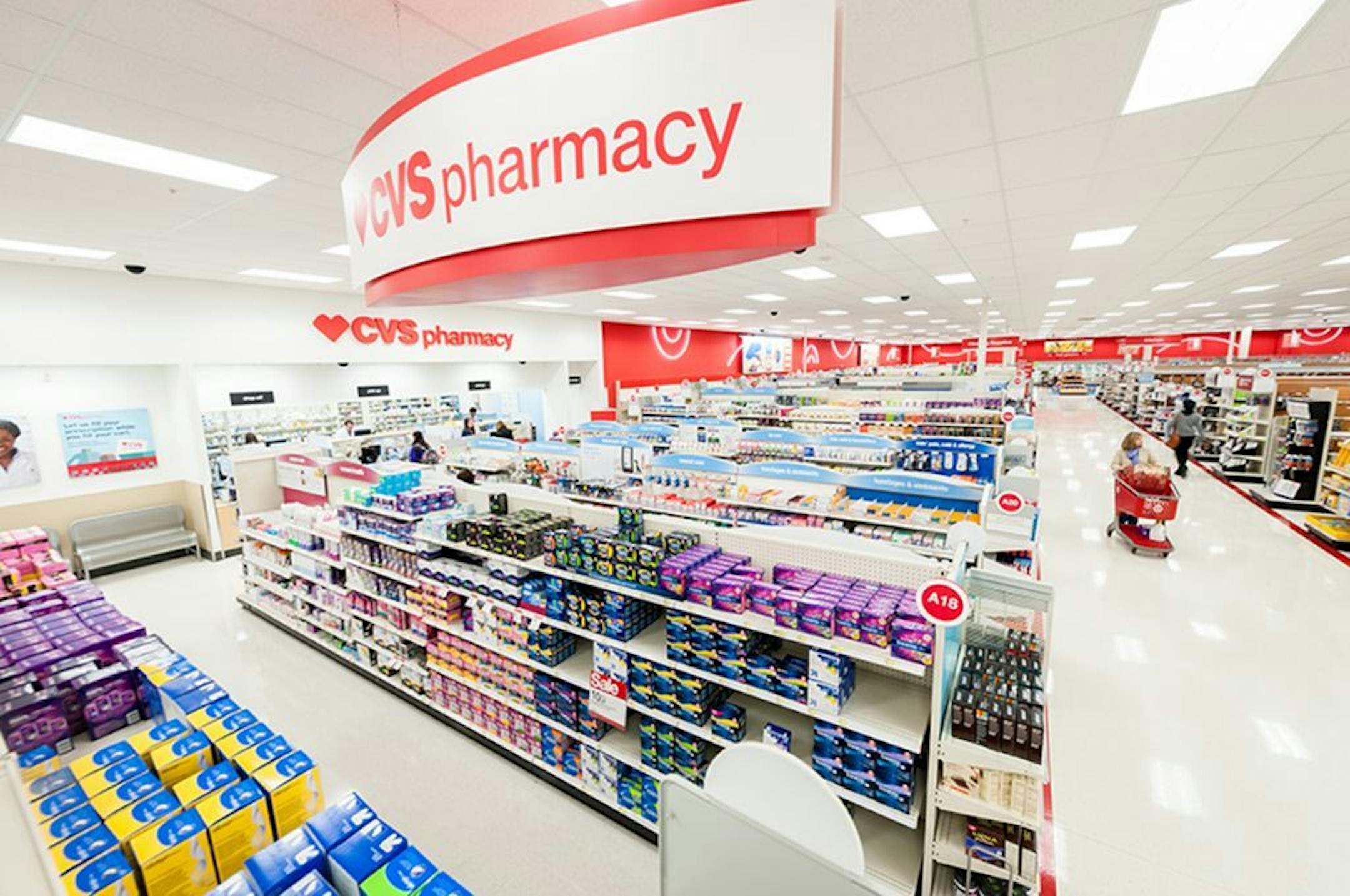
Drugstore chain and pharmacy benefits manager CVS Health made a bigger splash, rolling out a proposed $69 billion acquisition of major insurer Aetna in a deal that would see CVS piloting new ways to deliver care directly to consumers.
"The lines continue to be blurred between what a health plan is and a provider is," said Dr. Ateev Mehrotra, a Harvard associate professor and policy researcher for the RAND think tank.


