

By Clive Crook • Bloomberg
Last weekend, thinking enough time had passed for the kinks to be ironed out, I installed the latest versions of Apple Inc.'s operating systems on my laptop and iPhone. Trying to sync the phone after this was accomplished, I became trapped in what I'll call an upgrade death spiral. With each failed attempt, vast chunks of my music vanished.
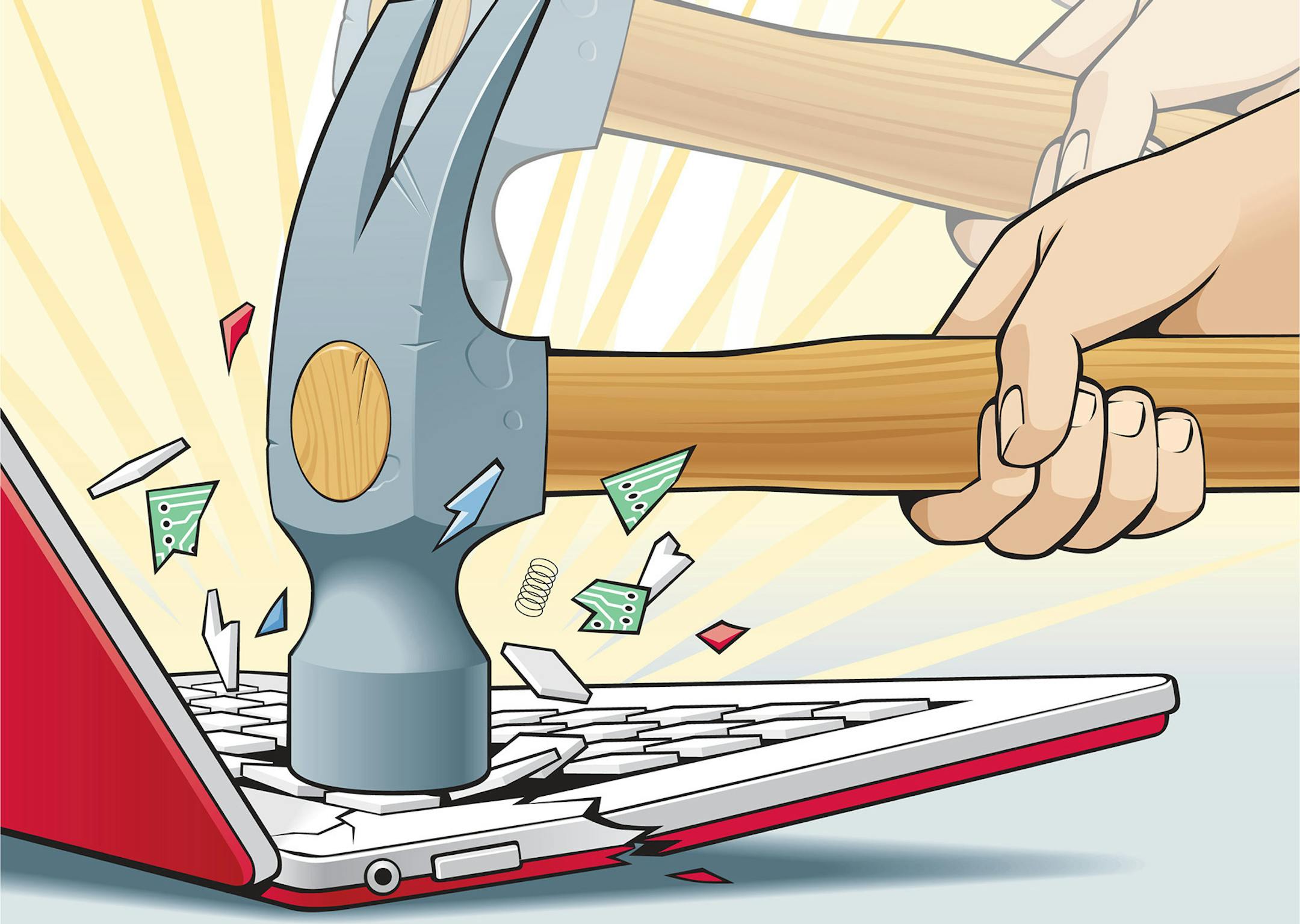
I had to stifle the urge to hurl both devices into the river that runs by my house. I'd have happily tossed Apple CEO Tim Cook in, too.
I gather that I was by no means alone in this. Yet a few days of hassle later — wipe this, reset that — the devices seem to be communicating amicably again. I've decided I really like both upgrades.
Perhaps you've heard the rollout of the government's health-insurance website hasn't gone so well, either. That's so shocking. The world's most admired maker of computers can't create new information technology without driving its customers crazy now and then, but one expects so much more from the federal government.
In due course, the bugs will be fixed and the site will work. There's still time to get it right, and, provided the shambles doesn't drag on too long, it's unlikely to do much harm to the economics of the reform.
What about the notorious health-insurance death spiral? The site isn't going to make much difference. Adverse selection, to use the correct term, is a problem with any kind of insurance. In this case, sick people want health insurance more than healthy people do, which tends to make the pool of customers riskier; that drives up costs, which makes healthy people even less willing to buy.
It's true that sick people will be more persistent than healthy people in engaging with a broken website to get coverage, but a brief delay won't matter. If the problems drag on and the individual mandate has to be suspended, that's different. Then you'd see adverse selection with a vengeance.


