

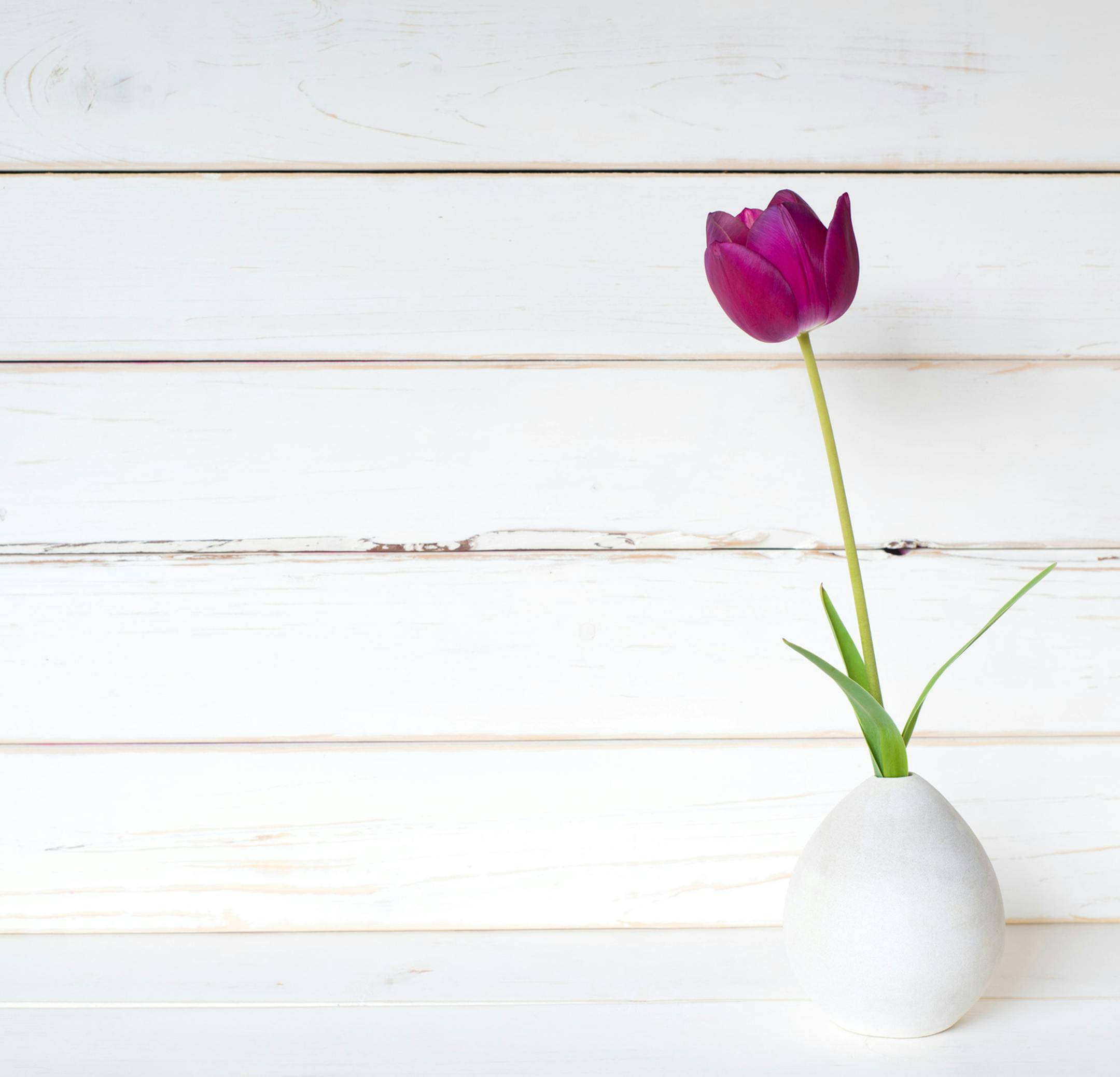
Shiplap is all the rage right now. After all, it's everywhere. And it's a budget-friendly trend that complements a variety of home designs. But can we count on this trend to stick around?
The allure
What's driving the demand for this material? Well, first off, shiplap's a home run for the current trend toward clean lines, all-white spaces and modern farmhouse themes.
Second, shiplap lends itself well to the most up-and-coming trend: organic modernism. This look incorporates natural, raw and textured elements into those clean-lined white spaces.
Third, shiplap is dominating on the biggest platform of all: TV. Home makeover and design shows have given the look a significant boost in the market.
And finally, shiplap offers nearly limitless potential. It can be painted or stained to fit into organic or farmhouse modern, industrial, contemporary or transitional styles and beyond. And you can install it practically anywhere in the home.
The lesser-known truths
So, what's the catch? Truthfully, there aren't many downsides to this material — other than the dust buildup between the boards that can make it a pain to maintain. But there are a few misconceptions.
Shiplap doesn't have to be white. Most shiplap you see is white, but you can paint or stain these boards any color or hue.
Shiplap is more than boards on a wall. True shiplap has grooves along the top and bottom edges that allow the boards to fit tightly together. This is what creates that signature spacing in between.

