

This summer, U.S. cities have experienced unconscionable spikes in gun violence.
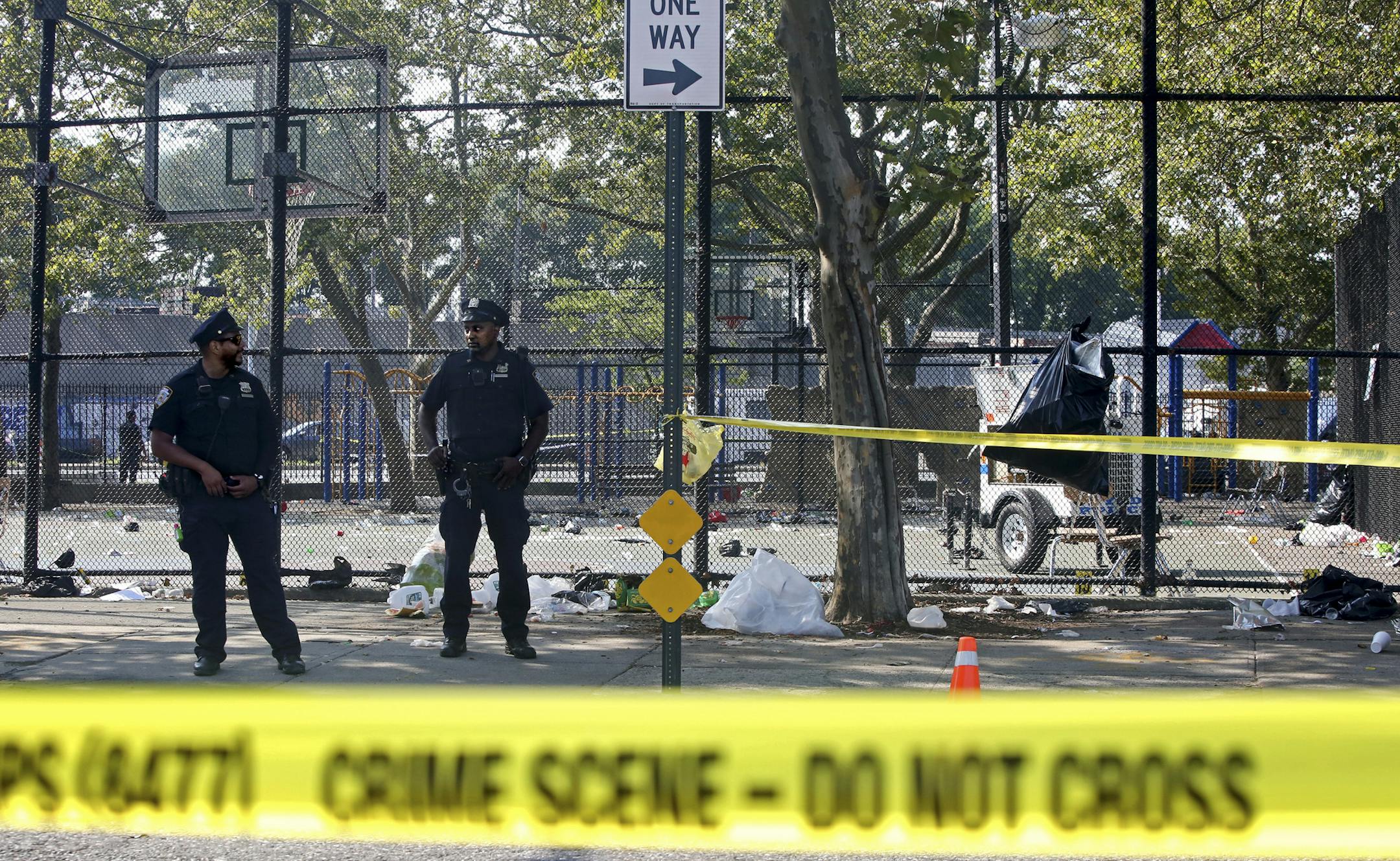
Just this past weekend 12 people were shot, one fatally, in Brooklyn, N.Y., and a mass shooting in Gilroy, Calif., left three dead. In early June, Chicago witnessed 52 shootings during a single weekend, including 10 fatalities. In Washington, D.C., 19 people were shot in five days, including 11-year-old Karon Brown, killed in a car on the way to football practice. Nine people were shot during one eight-hour period in Baltimore this month. Even in Boston, which sees lower levels of gun violence than most major U.S. cities, at least 19 people have been shot since July 3, and the city's nonfatal gun injuries have risen by nearly 20% since 2018.
After the recent spate of Boston shootings, Mayor Marty Walsh touted the state's strong gun laws even as he lamented the city's levels of violence: "You still have a weekend like this. And it makes you think, God, what more can you do? But there has to be more."
There is.
To truly address gun violence, we need to view it through a public-health lens — one that reframes the issue as a preventable disease that can be cured with the help of all community members.
This disease-control approach to gun violence is an effective one. Cure Violence, for example, a Chicago-based nongovernmental organization, uses a public health perspective to help cities around the world reduce their gun-violence levels. Under its model, outbreaks of violent behavior are responded to with three common epidemic-control methods: interrupting transmission, containing the risk and changing community norms. Cities that have applied these methods have seen as much as 73% drops in shootings and killings. So what would this approach look like writ large?
First, American cities will need to invest more resources in evidence-based conflict diffusion. In the 1990s, Boston launched Operation Ceasefire, a "focused deterrence" model developed by David Kennedy at the Harvard Kennedy School that advocated for direct communications between police, gang members, clergy and other community members and led to a 63% reduction in youth homicides. This intervention model has since been adopted in American cities like Oakland to great effect. In his new book, "Bleeding Out," researcher and Harvard Kennedy fellow Thomas Abt concludes that "focused deterrence had the strongest and most consistent anti-violence effects."


