

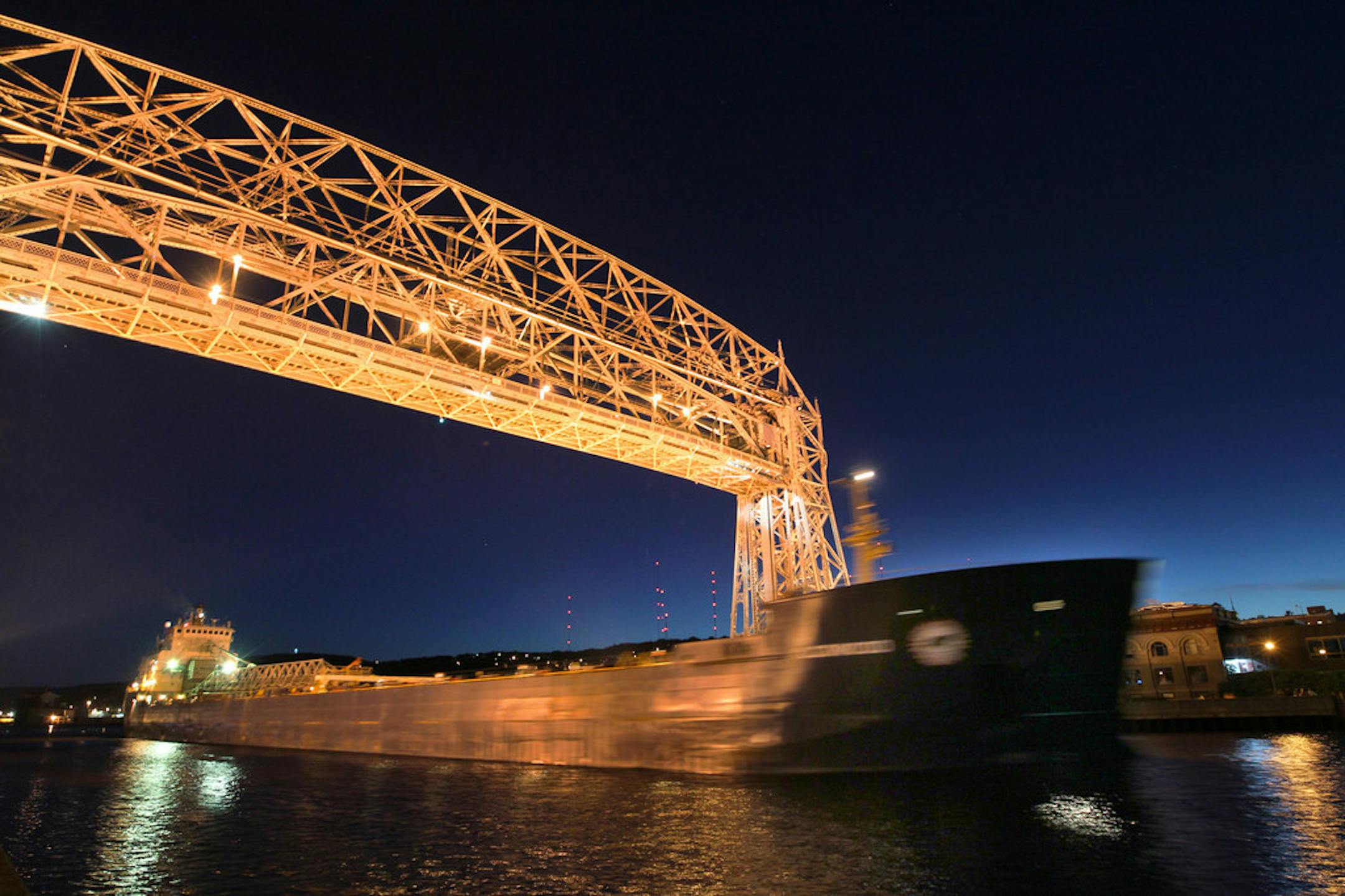
As high water levels persist in the Great Lakes, some shoreline dwellers are putting pressure on officials to open up dams in the East to let out more water, but shipping industry officials in Duluth and Superior, Wis., worry such a move thousands of miles away could have big consequences locally.
The Moses-Saunders Power Dam on the St. Lawrence River downstream from Lake Ontario has been increasing the amount of water released into the St. Lawrence Seaway and, eventually, the Atlantic Ocean. Although landowners along the lake would like to see the lake level lowered by releasing more, shipping officials say that would create strong currents in the seaway that would slow or even halt commercial ship navigation, affecting an industry snaking all the way west to Duluth.
"It would create a cascading backlog of vessel traffic and delays," said Duluth Seaway Port Authority spokesman Jayson Hron. "Time is money."
Increasing the outflow for five weeks, under one proposal that had been raised, would cost $9 million in revenue for the businesses in the Port of Duluth-Superior, Hron said. It could mean temporary job layoffs for industry workers. All together in the U.S. and Canada, it could mean $1 billion in lost revenue, he said, citing a 2018 industry study.
The International Lake Ontario-St. Lawrence River Board, which decides the flow rates across the dam, typically meets weekly.
Lakes Erie and Ontario set records last month for high water levels since record-keeping began in 1918, according to the U.S. Army Corps of Engineers.
The board increased the dam's flow rate in June, letting out a record-high 10,400 cubic meters of water per second. The average daily mean lake level on Lake Ontario declined ever so slightly at the end of the month, going from 249.05 feet on June 25 to 249.00 at the end of the month, said Army Corps spokeswoman Susan Blair. The Ontario water level is expected to go down in July.
The decision on how much water to send over the dam is a delicate balance, officials acknowledged.


