The former Reserve Mining started dumping 67,000 tons of taconite waste and used oil into Lake Superior in 1956, a year after Grant Merritt graduated from the University of Minnesota Duluth.
It took 20 years before Reserve was forced to shift to on-land disposal by a federal judge in the face of evidence of environmental and health threats and growing pressure from Minnesota, Wisconsin and the U.S. Environmental Protection Agency.
Merritt, a commercial lawyer from Duluth, was a key Minnesota protagonist against the waste practices of Reserve during his 1971-75 tour as the first boss of the Minnesota Pollution Control Agency. And he's a key player in Minnesota's modern-day environmental movement that has evolved, as once-dirty utilities now herald low-carbon, wind and solar energy and conservation, and the public increasingly accepts or champions a cleaner economy.
"I get accused of shutting down plants and that I was anti-mining," said Merritt, who also represented the trucking industry in private practice. "I'm not. Some environmentalists are. But I've enjoyed the chance to be a factor [in a cleaner environment and economy]."
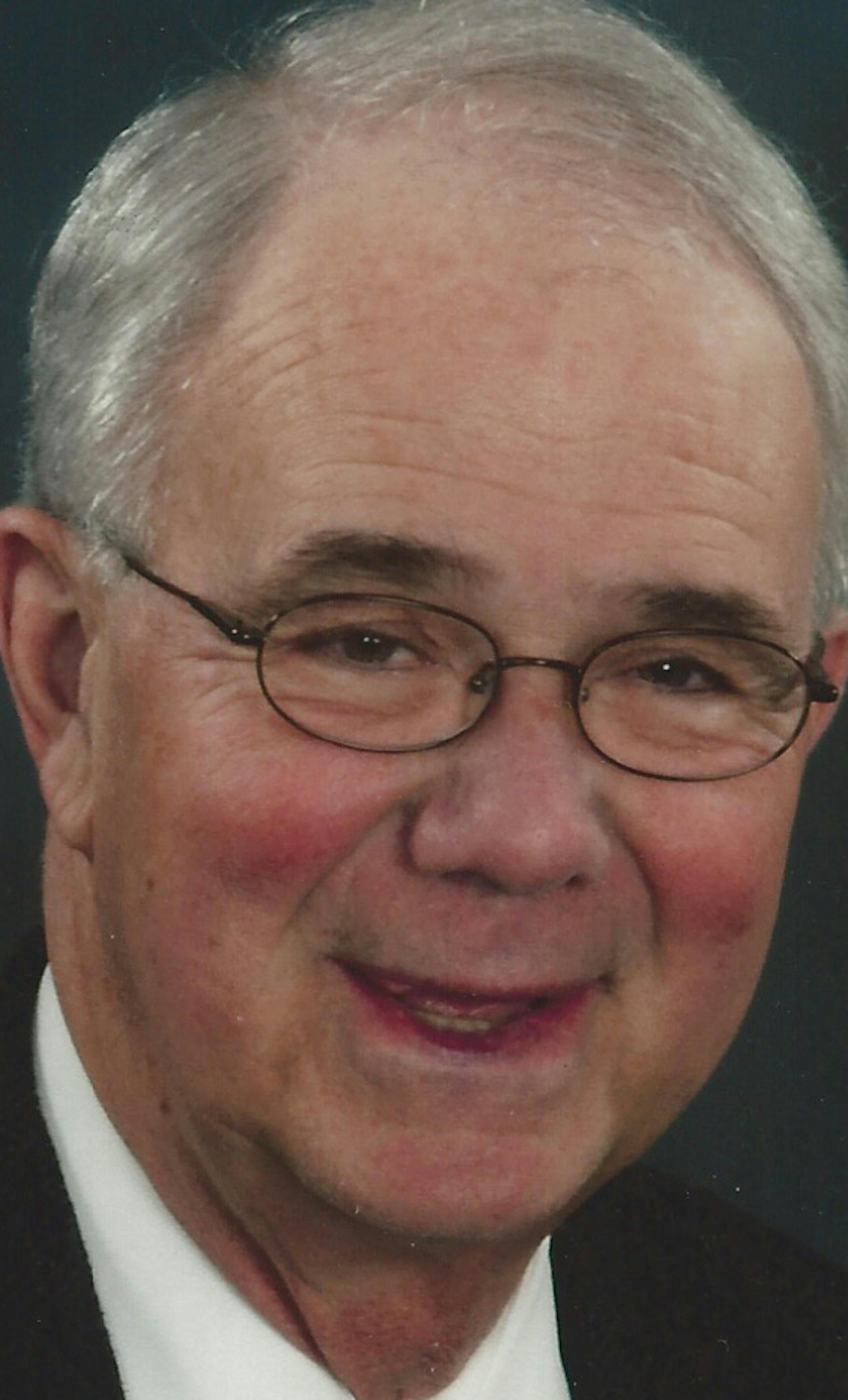
Merritt, 84, who still does some environmental work, has written a candid, pointed book about his work and the often tumultuous, barbed and politically contentious environmental flaps in which he was involved — particularly in the 1970s and 1980s, the turning point for a cleaner Minnesota.
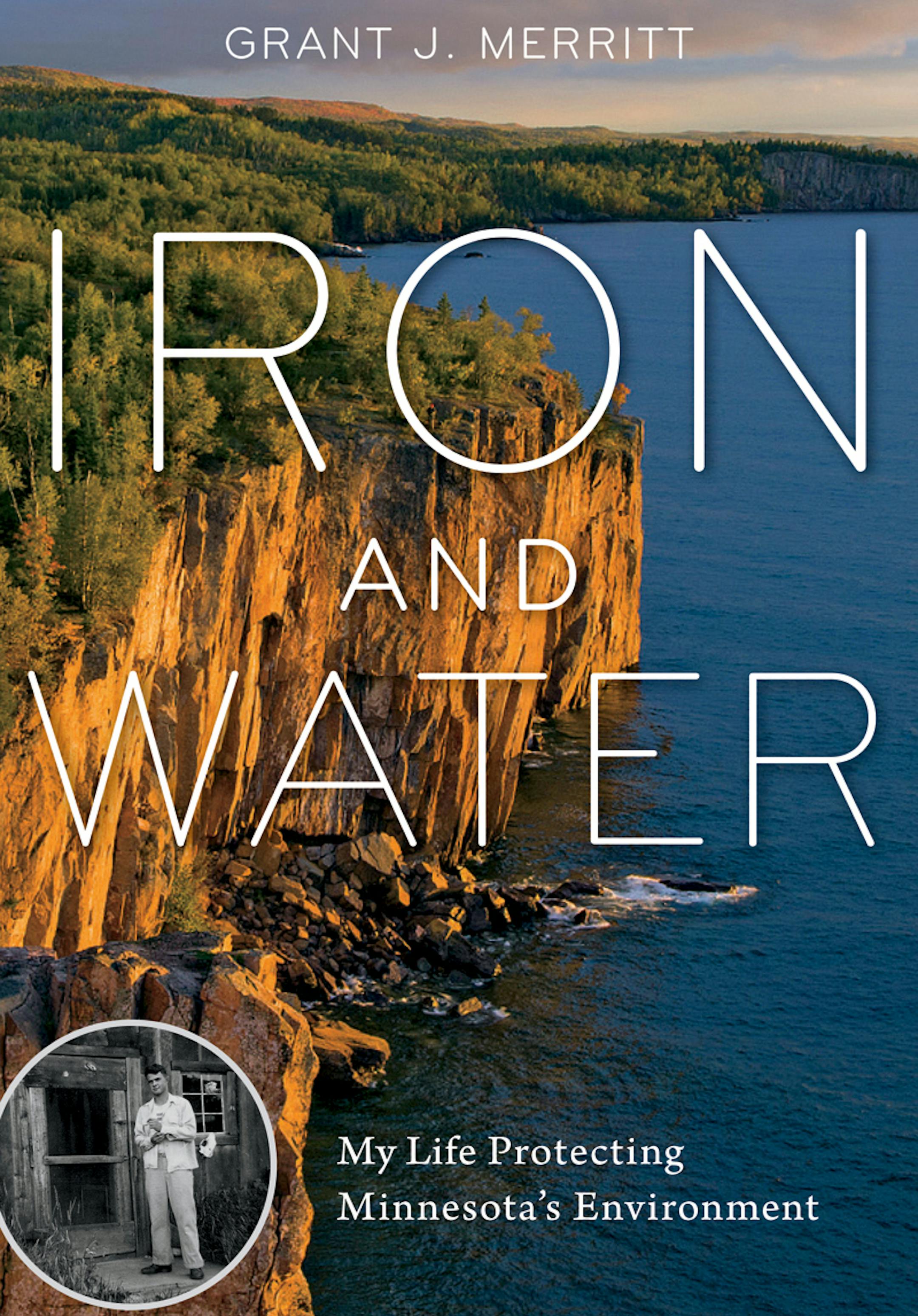
"Iron and Water; My Life Protecting Minnesota's Environment," published by University of Minnesota Press, is a good read. Particularly for those of us who can remember the first Earth Day in 1970; New York's Love Canal; chemically choked rivers that caught fire; and people sickened by leaching toxins that bubbled up from buried solvents or out of unfiltered smokestacks.
To be sure, we're still dealing with pollution. However, we've learned that it's imperative to integrate sound environmental practices with industrial development to avoid horrendous pollution and cleanup tabs.
And we're growing the economy using energy more efficiently and tapping cleaner sources.