
Review of U investigation in Gophers football case should raise these issues

The announced inquiry needs to look into possible violations of the players' rights under data practices and privacy laws.

March 31, 2017 at 11:40PM
iStockphoto.com
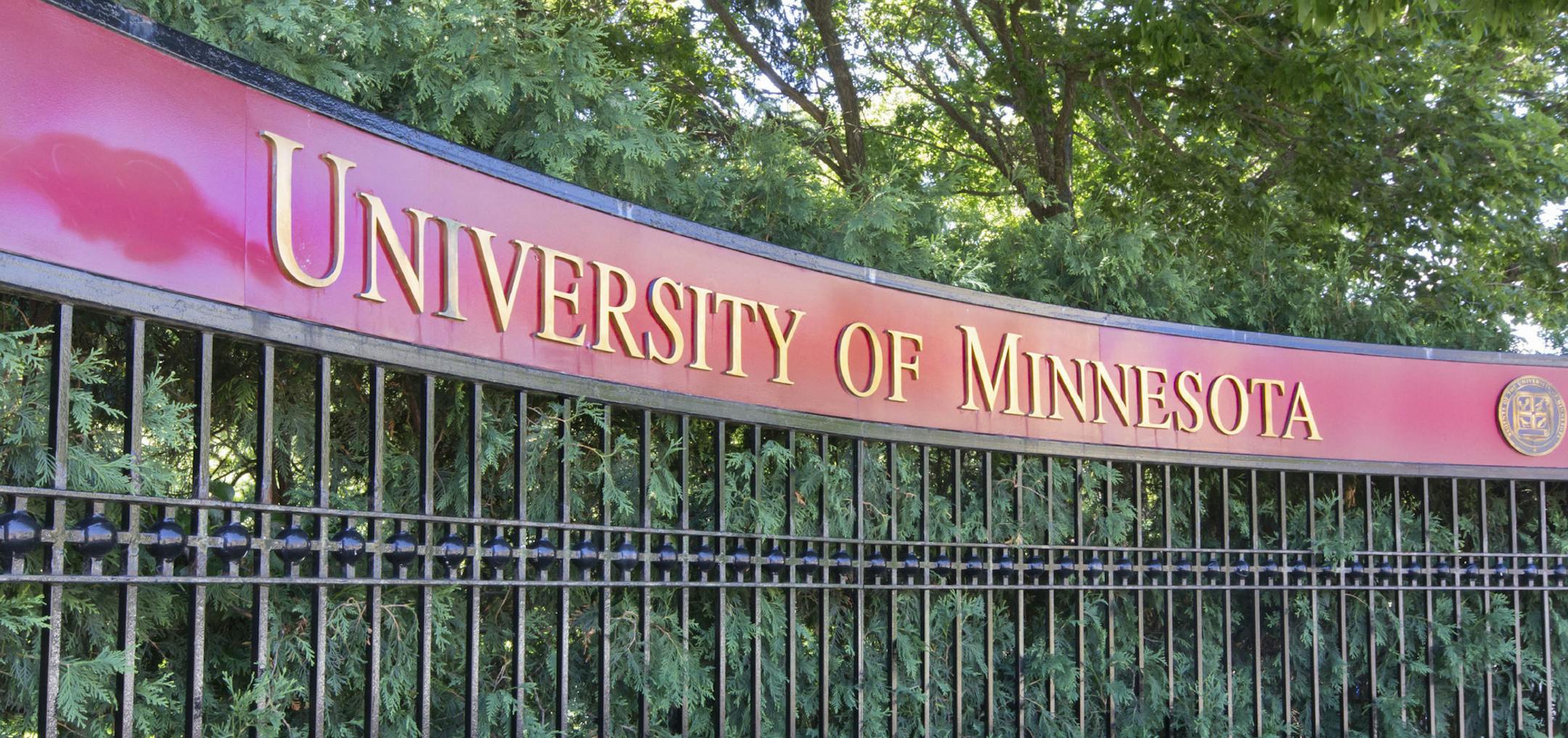
MINNEAPOLIS/USA - July 23: Entrance to the campus of the University of Minnesota. The University of Minnesota is a university in Minneapolis and St. Paul, MN and the 6th largest univerity in the USA. July 23, 2012. ORG XMIT: MIN1505261330310624 ORG XMIT: MIN1510071124370054 ORG XMIT: MIN1601201325070229
Entrance to the campus of the University of Minnesota. (The Minnesota Star Tribune)

The University of Minnesota Board of Regents recently announced an investigation of the University's investigation of 10 football players discplined last fall for alleged sexual misconduct. This investigation should include a review of what may be numerous violations of the rights of the players under the Minnesota Government Data Practices Act (DPA) and the Family Educational Rights and Privacy Act (FERPA).

University officials have relied on those laws when they did not want to talk about aspects of the controversy. But little is known of how the university handled certain detailed requirements of the two laws.

Much of what we think we know about what happened last fall comes from inactive investigative reports legally released by the Minneapolis Police Department and a report illegally leaked by someone at the university.

We know that the university's investigative report was leaked to KSTP-TV. However, we know nothing about how the university has responded to this clear violation of the rights of the athletes and other students under both state and federal law. With limited exceptions, the DPA, at Minnesota Statutes Section 13.32, makes all data on students private. FERPA also severely limits dissemination of student data to the public.

Under the DPA, the leak of the report is both grounds for discipline of an employee and a possible misdemeanor. The leak of the report may also be grounds for legal action by the students.

Are all of the people at the university who had access to this report being investigated for this violation?

To protect the privacy of students, both state and federal law require that certain notices be given to students. The content of these notices and how the university gave them will say much about compliance or lack thereof and will affect potential liability.

For example, did the university give the proper notice required by Section 13.04 of the DPA? This requirement says that before data were collected from the students, the university had to inform the athletes of the following: the purpose for collecting data; uses of the data; whether they could legally refuse to provide any data; the consequences of providing or not providing data; and the identities of other persons authorized to receive the data. This notice is intended to give students the ability to make an informed choice as to whether to provide data to the university. It has been a requirement of the DPA since 1974.

Failure to fully and properly give this notice is a clear violation of the DPA. It is also a violation for the university to use or disclose data in ways that have not been stated in the notice. The DPA also makes it clear that if the notice is not given at all, no use or dissemination may be made of any data collected. (See Minnesota Statutes Sections 13.04, subdivision 2 and 13.05 subdivision 4.) This point may be particularly critical because I have been told by an attorney who has represented students in similar situations that his clients have never received such a notice.

State and federal law do allow for limited release of student data to the public. Whether, in this instance, the release of data about the football players was lawful will depend on how the university handled certain notice and consent requirements of the DPA and FERPA. These requirements are designed to give students informed choices about release of data. This is a particularly critical issue for student data such as the pictures of the players that have been widely circulated.

Lastly, the new investigation must address the role of both implicit and institutional racism in the university's handling of this controversy. Student athlete leaders in the abbreviated bowl-game boycott raised these issues. They pointed out that data about wrestlers accused of selling drugs was handled differently than information about the football players.

It is my hope that the university's new investigation will address all of these and other relevant issues, including how much data about students can be made available to the Regents themselves.

Donald A. Gemberling is an advocate and expert on data privacy and transparency and former director of information policy for the Minnesota Department of Administration.

about the writer

about the writer

Donald A. Gemberling

More from Commentaries

See More
card image
Jeff Wheeler/The Minnesota Star Tribune

I knew I would return home, but that wasn’t the case for other detainees. The desperate cries I heard from them cut through me.

card image
card image