When people line up at a coffee shop for their morning brew or crowd a bookstore to meet a famous author, don't assume they're patronizing a national chain.
Many independent stores have been able to survive, thrive and even launch despite competition from big-box retailers like Wal-Mart, Barnes & Noble and Home Depot. Indies are doing this by becoming more a part of the fabric in the communities they serve, offering more personalized service and unique ambience than the bigger guys.
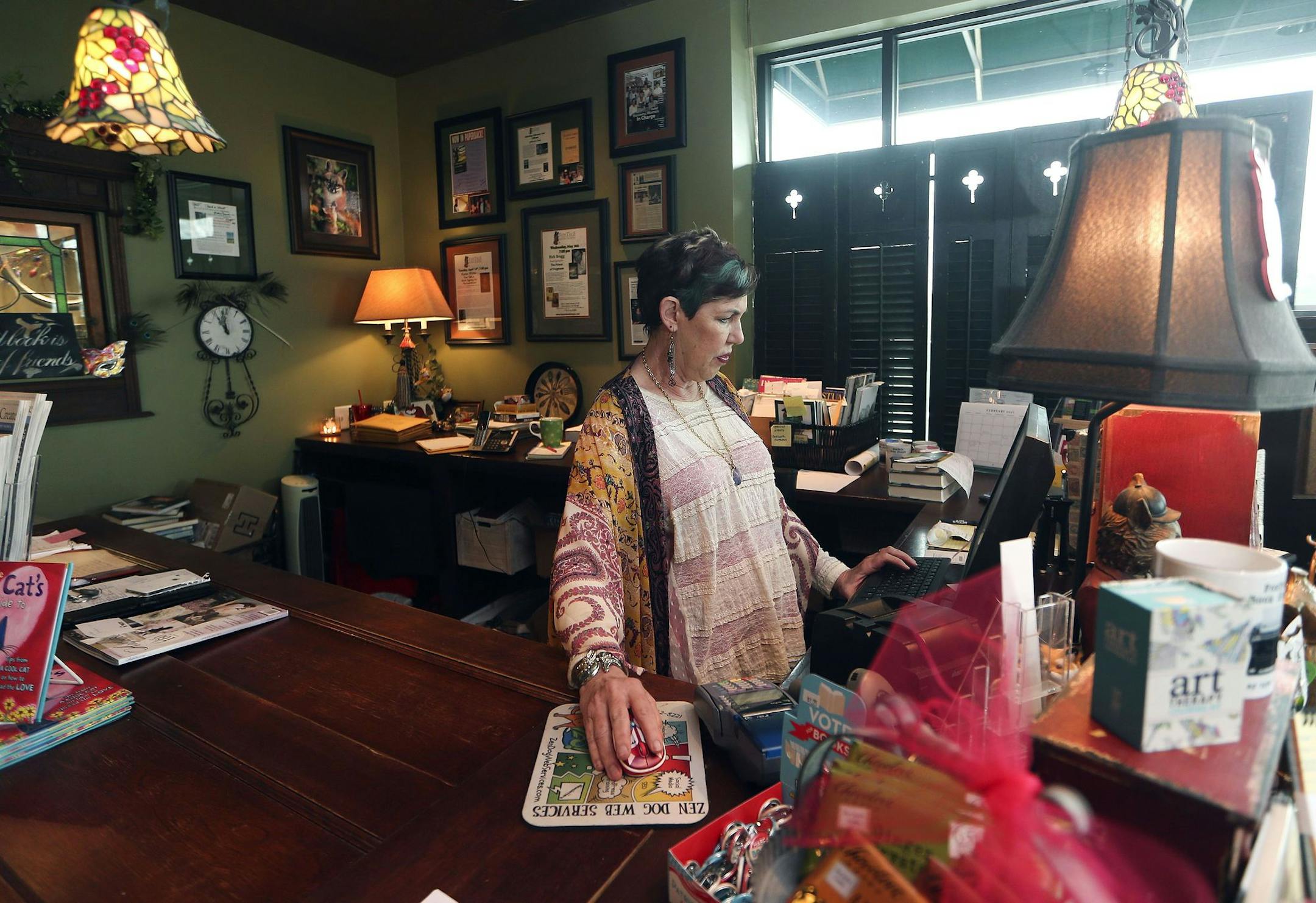
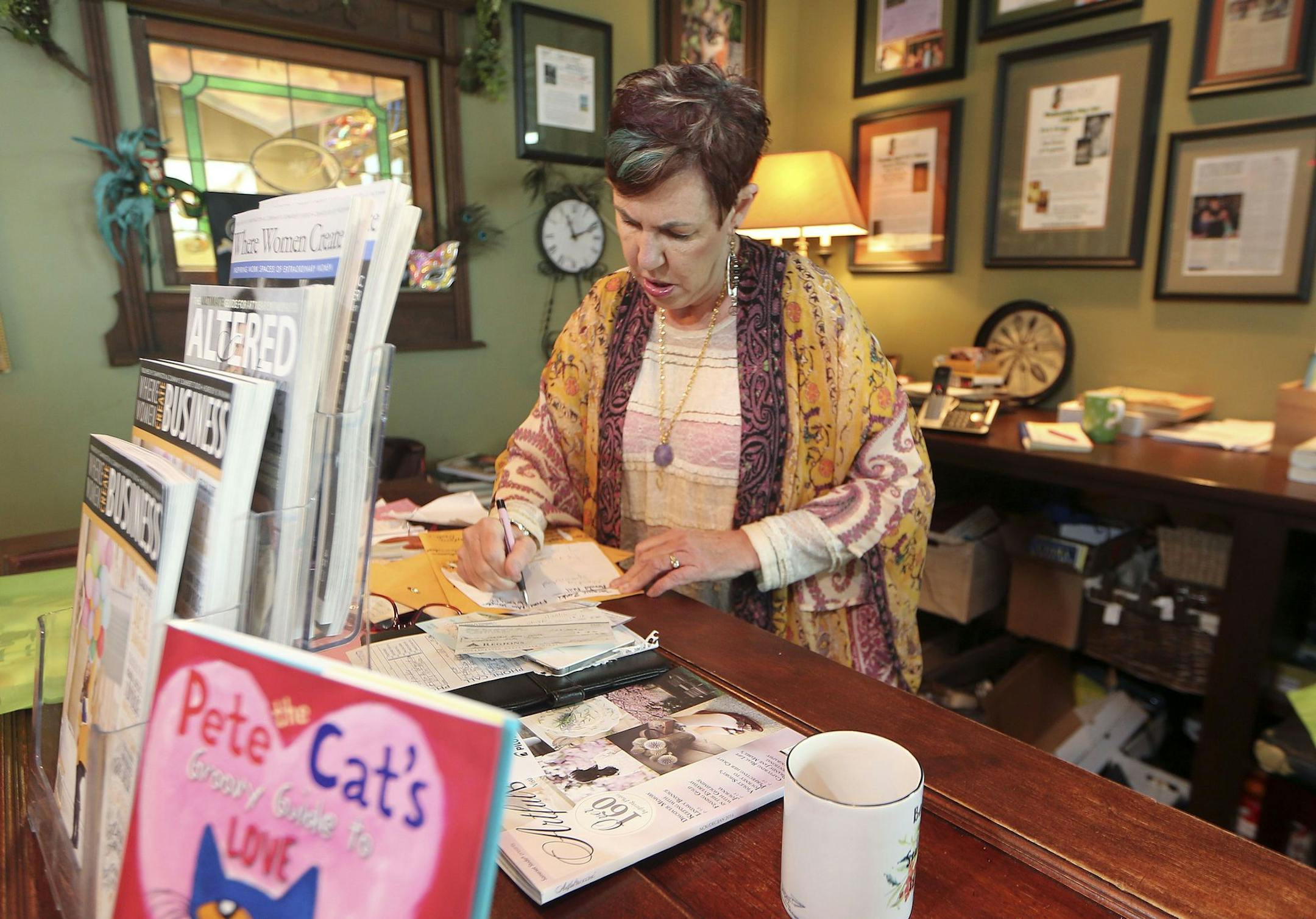
For instance, at FoxTale Book Shoppe in Woodstock, Ga., the strategy is building relationships with customers and the community. The staff spends time chatting with customers about books, knows customers' tastes and recommends books.
It also holds writing classes and events like parties for authors, especially those who live in the Atlanta area. While many bookstores hold meet-the-author events, FoxTale periodically rents a theater across the street, turning it into a bigger event.
The store also has an eclectic look. It is decorated with antiques and a bicycle suspended from the ceiling in the children's room. It's intimate; at 1,500 square feet, it's less than a tenth the size of a nearby Barnes & Noble.
As a result of its small-bookstore feel and personalized services, sales at FoxTale have increased between 15 percent and 25 percent a year since it opened in 2007 — despite Barnes & Noble's proximity, co-owner Ellen Ward says.
"We aren't so much selling the book as we are selling the experience," she says.
The success of indies is something perhaps experts couldn't imagine a few decades ago. In the 1980s, when big-box stores began proliferating, and after Amazon.com went online in the 1990s, independents began disappearing. The Census Bureau counted nearly 990,000 retail establishments with under 20 employees in 1992 and just 608,000 in 2013.