

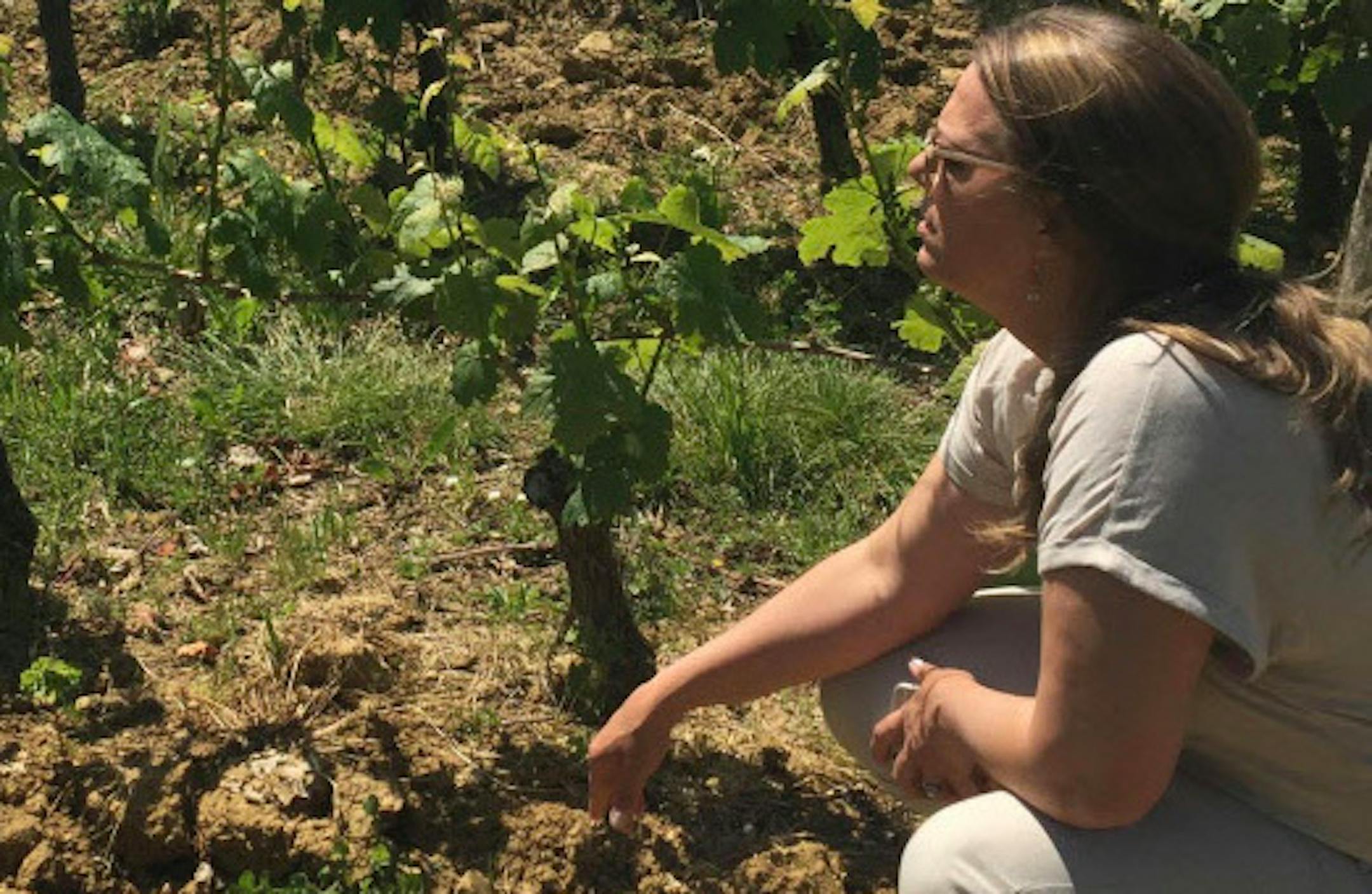
For years, Desta Maree Klein has tried to find the best wines to match the French cuisine at Meritage in St. Paul, which she co-owns with her husband, chef Russell Klein. She sampled hundreds of bottles at local trade tastings. It worked pretty well, but then she had an even better idea:
Go to the source.
So this year, Klein spent four months living in Bordeaux. She studied restaurant and wine bar lists, attended an organic/biodynamic convention, met with winemakers and became a member of the iconic wine museum La Cité du Vin.
It was, as she put it, “having this education by sheer exposure, immersing myself in French culture to find out what they do, to learn the wine culture and hospitality, a reinvestment in my own professional development.”
And it worked. Klein has started remolding the St. Paul restaurant’s wine list since returning in late April, in terms of content (more Bordeaux in particular and French wines in general) and value. “I’m reworking the price points of our wine list,” she said. “I want people to be able to explore wine, and Bordeaux can be so price- prohibitive.”
Folks such as Klein are the biggest reason why so many Twin Cities area restaurant wine lists are infinitely more interesting than they were just a few years ago. Flocking to local trade tastings to uncover gems is part of the plan, but more and more of them are actually journeying to wine regions to see — and taste and feel — for themselves what is going on there.
“Now that our world is much smaller [thanks to local importers’ efforts], you don’t have to travel,” said Charlie Broder, wine director for the Broders’ restaurant group in Minneapolis, “but when you do, you are gifted with so much more, whether it’s the air or the soil or the people. You can develop a clear and comprehensive understanding of what makes these wines what they are and get the nuances that just aren’t available when we’re tasting here.”
Sometimes local restaurant folks make these treks to visit specific wineries with importers. Several of them have attended the annual four-day Oregon Pinot Camp to learn more about the Willamette Valley’s pinot noirs. But many of them relish the freedom of creating their own itinerary and agenda, even if it’s on their own dime.


