Business review from the Economist
Google's founders head out the door
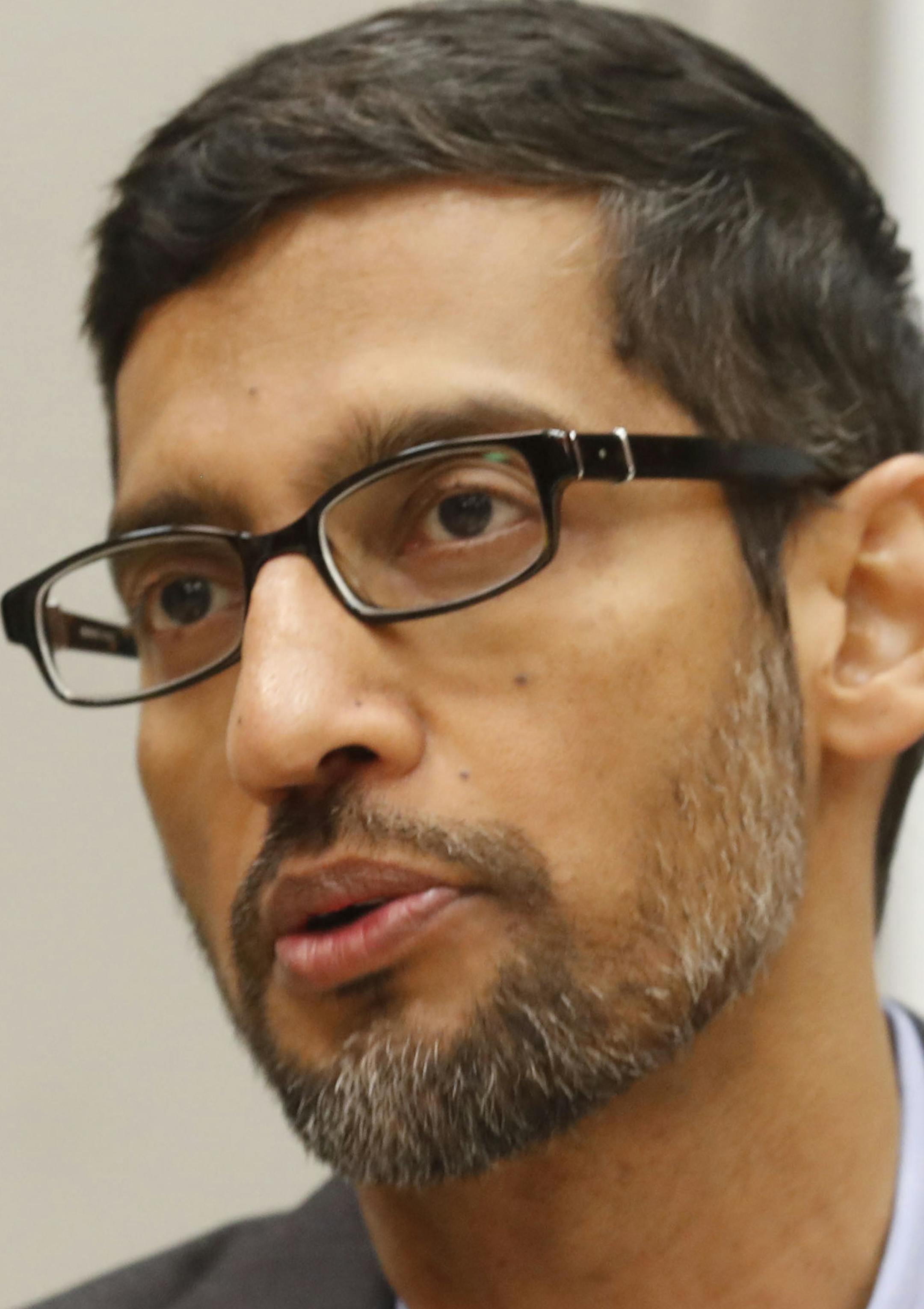
In an unexpected move, Sergey Brin and Larry Page stepped down from their respective roles as president and chief executive of Alphabet, Google's parent company. The pair founded the internet giant in a garage while at Stanford in 1998. They will retain their combined voting majority in the company and continue to sit on the board. Sundar Pichai becomes Alphabet's chief executive in addition to his job running Google, expanding his brief to oversee "moonshot" projects, such as driverless cars and electricity-generating kites. Brin and Page assured Pichai they would still be around to offer "advice and love, but not daily nagging."
Stock markets had an unsettled week amid uncertainty about the United States and China reaching a trade deal before Dec. 15, when tariffs are due to rise on a raft of Chinese goods. President Donald Trump's ruminations about being prepared to wait until after November's presidential election to reach an agreement spooked investors at first, but was then dismissed as a negotiating tactic.
Trump said he wanted to raise tariffs on metal imports from Brazil and Argentina, accusing both countries of manipulating their currencies. The president also threatened to impose 100% tariffs on $2.4 billion-worth of French goods, including champagne, after the United States Trade Representative found that France's digital tax discriminates against U.S. companies such as Amazon, Facebook and Google, and is "inconsistent with prevailing tax principles."
The World Trade Organization rejected the European Union's claim that it no longer provides illegal state aid to Airbus, a second victory in recent months for Boeing in the pair's 15-year dispute. In response, the U.S. Trade Representative said it would look to increase the retaliatory tariffs it imposed in October on a range of European goods following the WTO's first ruling.
In contrast with souring trade relations elsewhere, Japan's Diet approved a trade deal with the U.S. that slashes tariffs on American beef and pork imports in return for lower levies on Japanese industrial goods.
Brazil's GDP was 1.2% higher in the third quarter than in the same three months last year.
Also pulling out of the doldrums, Turkey's economy expanded by 0.9% in the third quarter, following nine months of contraction.
The U.S. exported more crude oil and refined petroleum products in September than it imported, the first time it has been a net exporter of oil for a whole month since records began in the 1940s.