Business Review from the Economist
AT&T makes huge bid for Time Warner
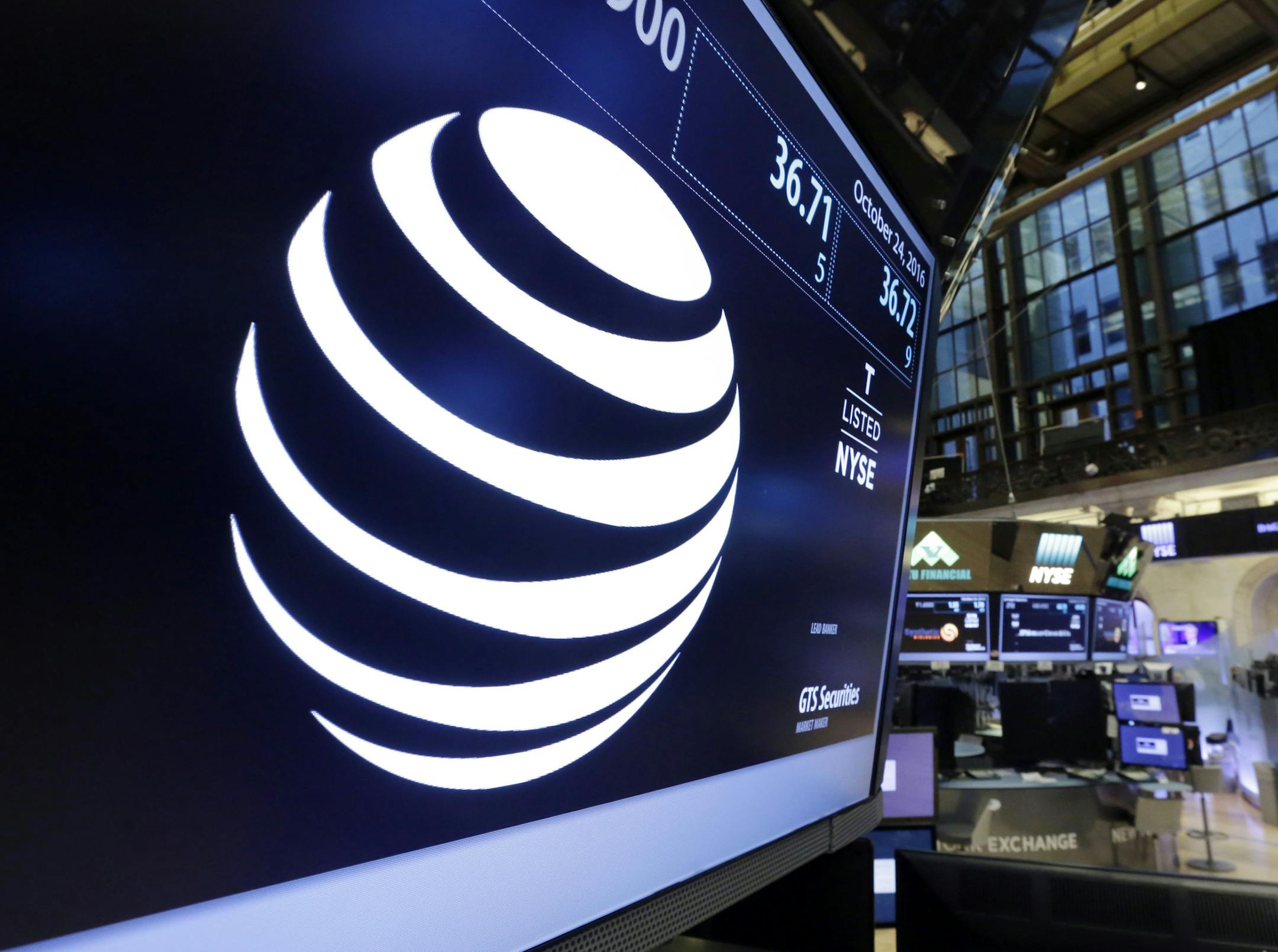
AT&T made an offer for Time Warner, in a deal valued at $109 billion, underlining the push to establish giants in the media industry that combine distribution with content. If competition authorities approve, the acquisition will give AT&T possession of HBO and other premier cable channels, as well as a trove of films produced by Warner Bros. With its new assets, the United States' second-biggest wireless-telecoms firm wants to set up a rival to Netflix and Amazon, which have disrupted cable TV with cheaper services that stream content over the internet.
British American Tobacco offered to pay $47 billion to take over Reynolds American. With sales of cigarettes declining around the world, tobacco companies are scrambling to develop vapor-based products such as e-cigarettes.
Cyrus Mistry was replaced as chairman of Tata Group, India's biggest conglomerate, by Ratan Tata, who had led the group for 20 years and now controls its holding company. Mistry's defenestration followed investor unease about Tata's performance and a reported clash over the group's culture with Tata, who is returning on an interim basis. Mistry didn't go quietly, depicting his removal as "unparalleled in the annals of corporate history."
Britain's economy grew by 0.5 percent in the third quarter, which was much better than had been expected. The period covers the three months since Britain voted on June 23 to leave the European Union. The manufacturing sector contracted in the quarter. Markets shrugged off the news.
A federal judge approved the $15 billion settlement through which Volkswagen will compensate customers who bought cars that fail to meet pollution standards because it cheated in emissions tests. VW will offer to either buy back or fix the vehicles, though that fix has yet to be approved.
Tesla Motors made a surprise profit, its first since 2013. The maker of electric cars reported net income of $22 million for the third quarter; in the same period last year it had a loss of $230 million. Revenues zoomed to $2.3 billion.
Ericsson named Borje Ekholm as its new CEO. Ekholm has been a board member at the struggling Swedish telecoms-equipment supplier for 10 years. He will carry out his new duties from the United States, where he lives. The company recently issued a dire profit warning.
Monte dei Paschi di Siena, the most distressed bank in Italy's troubled industry, announced that it would shed 10 percent of its staff and a quarter of its branches as part of restructuring. It also confirmed that it would launch a debt-for-equity swap to kick-start its recapitalization plan. This will happen in early December, when Italians vote in a contentious referendum on political reform that may unnerve markets if it fails.