

Christopher Schneider of Lake Crystal told authorities he was putting out his cigarette when the car he was driving blew through a stop sign and rammed a car carrying two senior citizens outside the Blue Earth County Fairgrounds in July 2015. Rod Elert, 74, and his wife, Kathy Ohman, 75, of North Mankato both died at the scene.
Schneider, who was 18 at the time of the collision, was charged with careless driving and two other misdemeanors, including driving without a license. This week, he was sentenced to 30 days in jail and ordered to deliver 30 speeches about the danger of distracted driving.
Thirty days for two lives? "I wish we could do more, but we're bound by what the statutes say," Blue Earth Assistant County Attorney Steve Kelm told the Mankato Free Press.
We suspect many Minnesotans would echo that wish. That would include a majority of state legislators, who in 2015 acted to allow for tougher penalties when a driver kills or injures another person while "aware of and consciously disregarding a substantial and unjustifiable risk" behind the wheel.
That new statute was not yet available to prosecutors in Schneider's case. It became effective on Aug. 1, 2015, soon after the Blue Earth County crash. It makes reckless driving that leads to death or great bodily harm a gross misdemeanor, punishable by up to a year in jail and/or up to a $3,000 fine. Under previous statutes, both reckless and careless driving were deemed misdemeanors, punishable by up to 90 days in jail and/or a $1,000 fine. The only higher charge previously available to prosecutors required proof of gross negligence, which typically requires evidence that the driver was under the influence of drugs or alcohol. Schneider was not.
Last year's change, spearheaded by state Sen. Jim Carlson, DFL-Eagan, is one result of a long quest at the Legislature for more effective public-policy deterrents to distracted driving. It's a salutary move. Legislators should monitor its effects closely and consider even tougher sanctions, particularly concerning cellphone use while driving.
A concerted push by public policymakers and the rest of society has done much to reduce the prevalence of drunken driving and failure to use seat belts in Minnesota. Those changes in turn have given this state among the lowest highway death rates in the nation. A similar effort is now in order to convince drivers to minimize distractions. A new driving norm is needed, and while tougher criminal sanctions likely cannot make that change alone, they can bolster the argument for change.
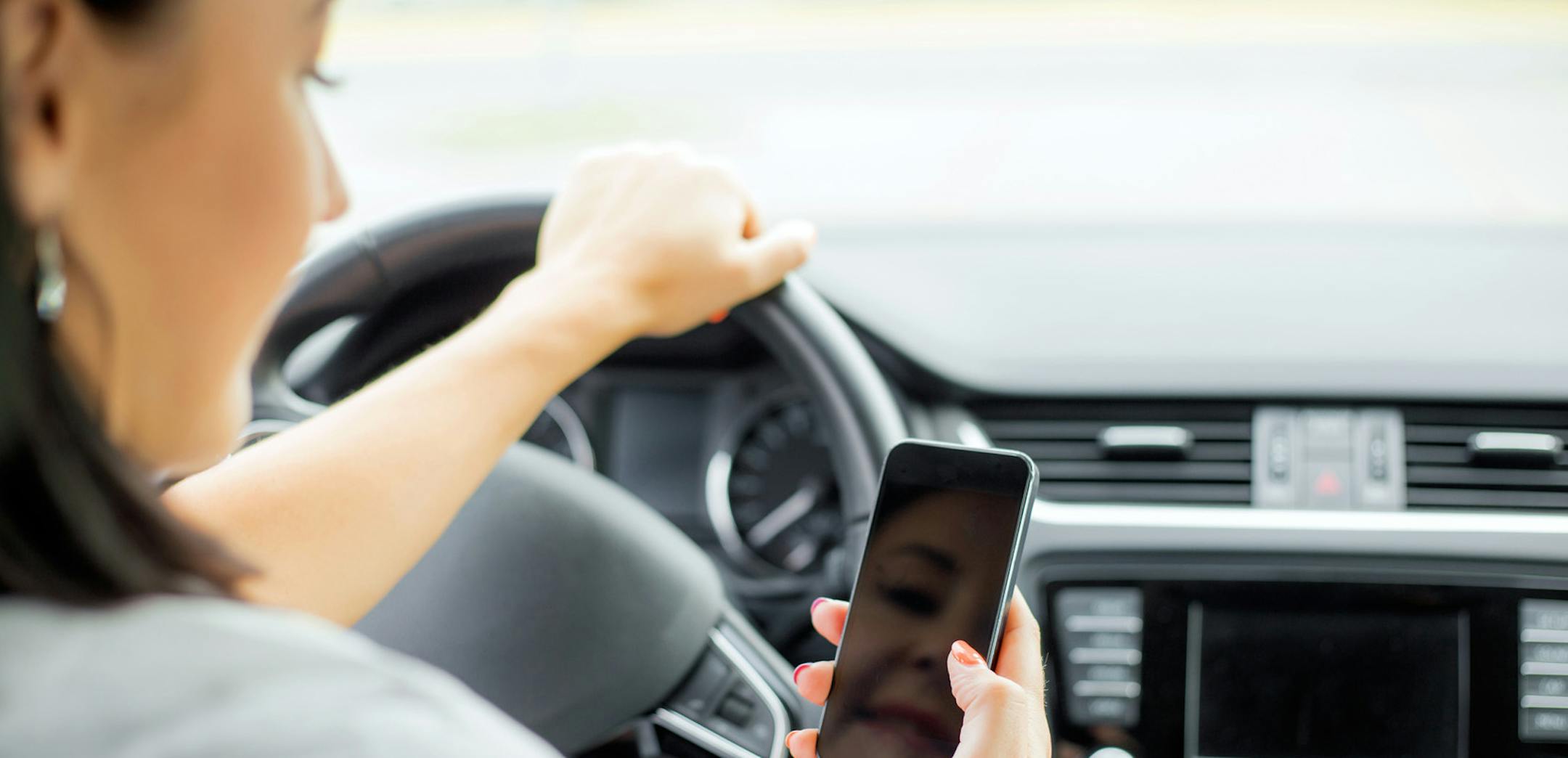
Distracted driving has become a major cause of accidents on highways in Minnesota and around the nation. Last year in Minnesota, 74 highway fatalities were associated with driver inattention, a toll nearly as high as deaths associated with drunken driving, excessive speed and failure to use a seat belt, according to the Minnesota Department of Transportation's annual crash tally.


