

Whether or not it is legal, President Donald Trump's seeming command to U.S. businesses to sever ties with China is pushing Minnesota companies into a high-stakes financial guessing game.
The state's major corporate players reflect the range of global entanglements that unnerved businesses across the country when Trump recently tweeted that "American companies are hereby ordered to immediately start looking for an alternative to China, including bringing your companies HOME and making products in the USA."
Last week, Trump appeared to back off his declaration, saying he could enforce the order if he wanted to — citing the Emergency Economic Powers Act of 1977 — but for now he did not want to.
The contradictory talk leaves the business community unsure what to do. Enforcement of the order offers an even darker scenario, said Tim Kehoe, an international trade specialist at the University of Minnesota.
"If an abrupt policy change forced U.S. firms to shut down business in China, that would force a recession," he said.
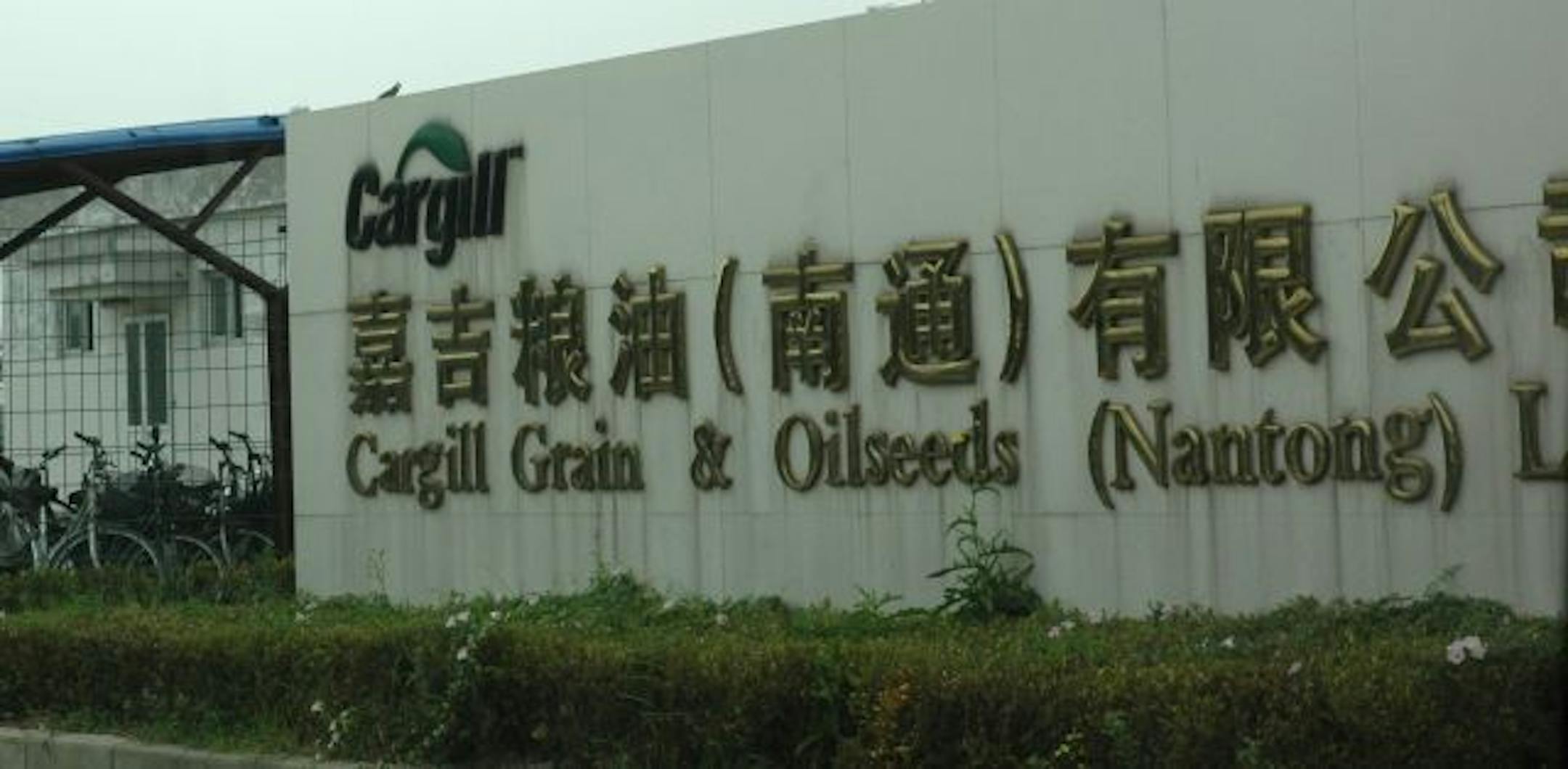
Marquee Minnesota companies have much at stake in China. Agricultural business giant Cargill has invested about $7.5 billion in the world's second largest economy since the 1980s, including a $112 million expansion of a corn processing plant in April 2019.
The Minnetonka-based company employs 9,000 people in 50 locations in China.
Hormel owns 1.7 million square feet of production and distribution space in China where the Austin, Minn., food company manufactures Spam, Skippy Peanut Butter and other products to sell directly to the Chinese.


