

Never has American freedom of speech been attacked so flagrantly, promiscuously and on so many fronts. The most egregious examples come from campuses and Congress. On campuses, censorship proliferates as political advocacy is confined to designated spaces. In Congress, 54 Democratic senators voted last year to amend the First Amendment to empower Congress to regulate the quantity, content and timing of political campaign speech.
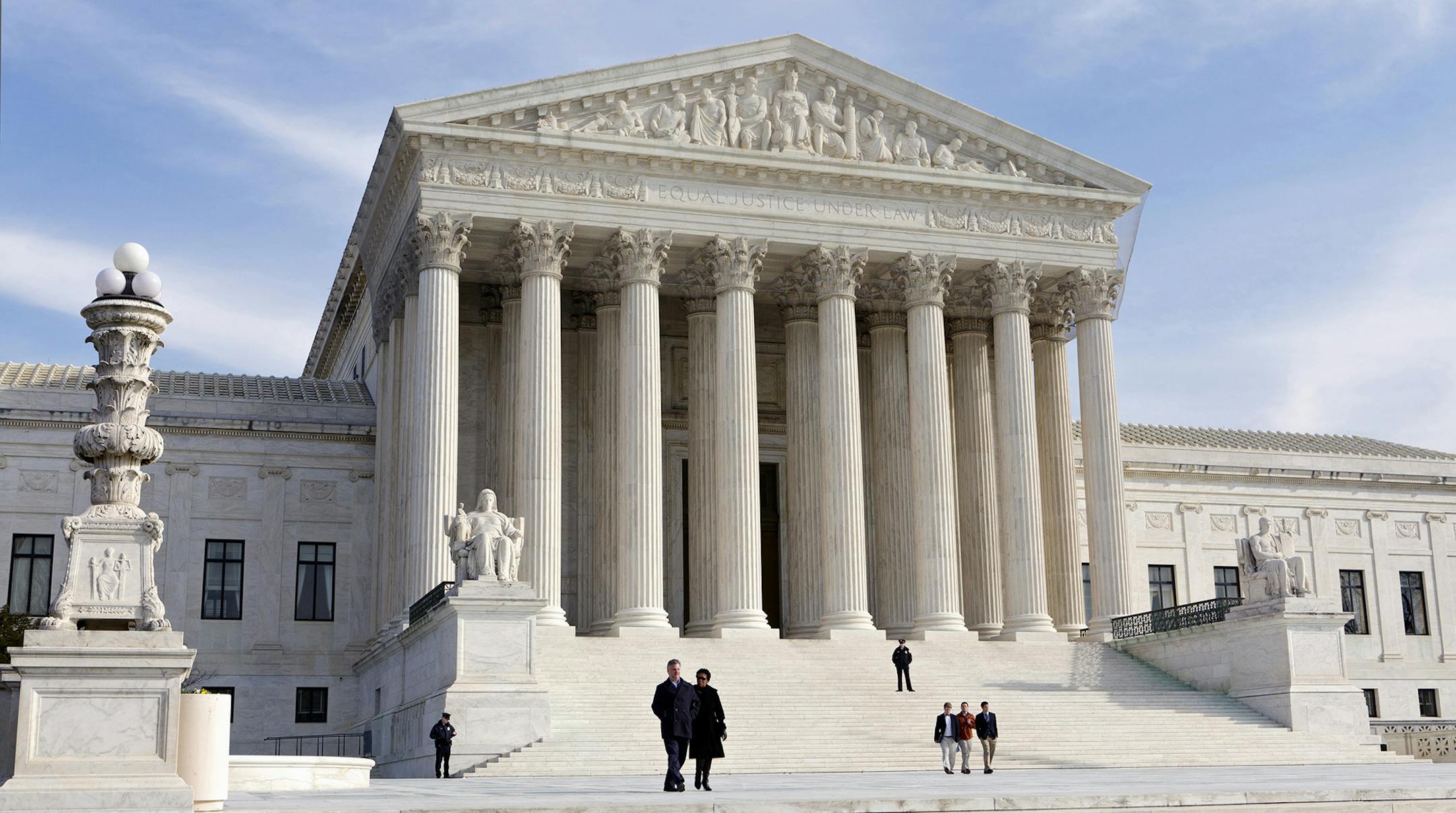
There are, however, smaller, less visible and hence especially insidious abridgments of the right to make oneself heard. On Tuesday, the Supreme Court will decide whether to hear such a case from Texas, where it is a crime for a retired veterinarian to share his advice with people seeking it.
Dr. Ron Hines, 72, of Brownsville, is a licensed veterinarian with a Ph.D. in microbiology. He is physically disabled but eager to continue dispensing his healing wisdom worldwide, which he does using the Internet and telephone. He estimates that about 5 percent of those he speaks to are in Texas. He neither dispenses nor prescribes medications. But in 2005, the Texas Legislature, with time on its hands and nothing better to do to perfect the state, criminalized such electronic veterinary advice.
Students of contemporary government will instantly understand that this was not done to protect pets, none of whom has complained about, or been reported injured by, people like Hines. Rather, the Legislature acted to protect those veterinarians who were vocally peeved because potential customers were getting online advice that, even when not free, is acquired at less expense and more conveniently than that gained from visits to a veterinarian's office.
This is rent-seeking — the use of public power to confer private benefits on one economic interest by handicapping another interest. Rent-seeking is what the political class rewards when it is not brooding about why people think the political class is disreputable.
Many veterinarians dispense advice on the Internet and on local radio and television programs, so Hines is just a small part of a metastasizing menace. So the Texas Vet Board, which has never received a complaint about Hines, has fined him and suspended his license in order to prevent him from piling up ill-gotten gains, which in his best year totaled $2,800.
It is Texas lore: When people wondered why a single Texas Ranger was sent to quell a riot, the ranger said laconically, there's only one riot. Today, the Texas Legislature in all its majesty is challenged by the wee but mighty Institute for Justice. It exists to quell lawless legislators, and it represents Hines.
A few kinds of speech — defamation, inciting violence, falsely shouting "Fire!" in a crowded theater — are not protected by the First Amendment. But governments increasingly use their power of occupational licensure — the power to regulate entry into a profession — to justify regulating speech pertinent to the occupations. This has even included restricting interior decorating advice.


