

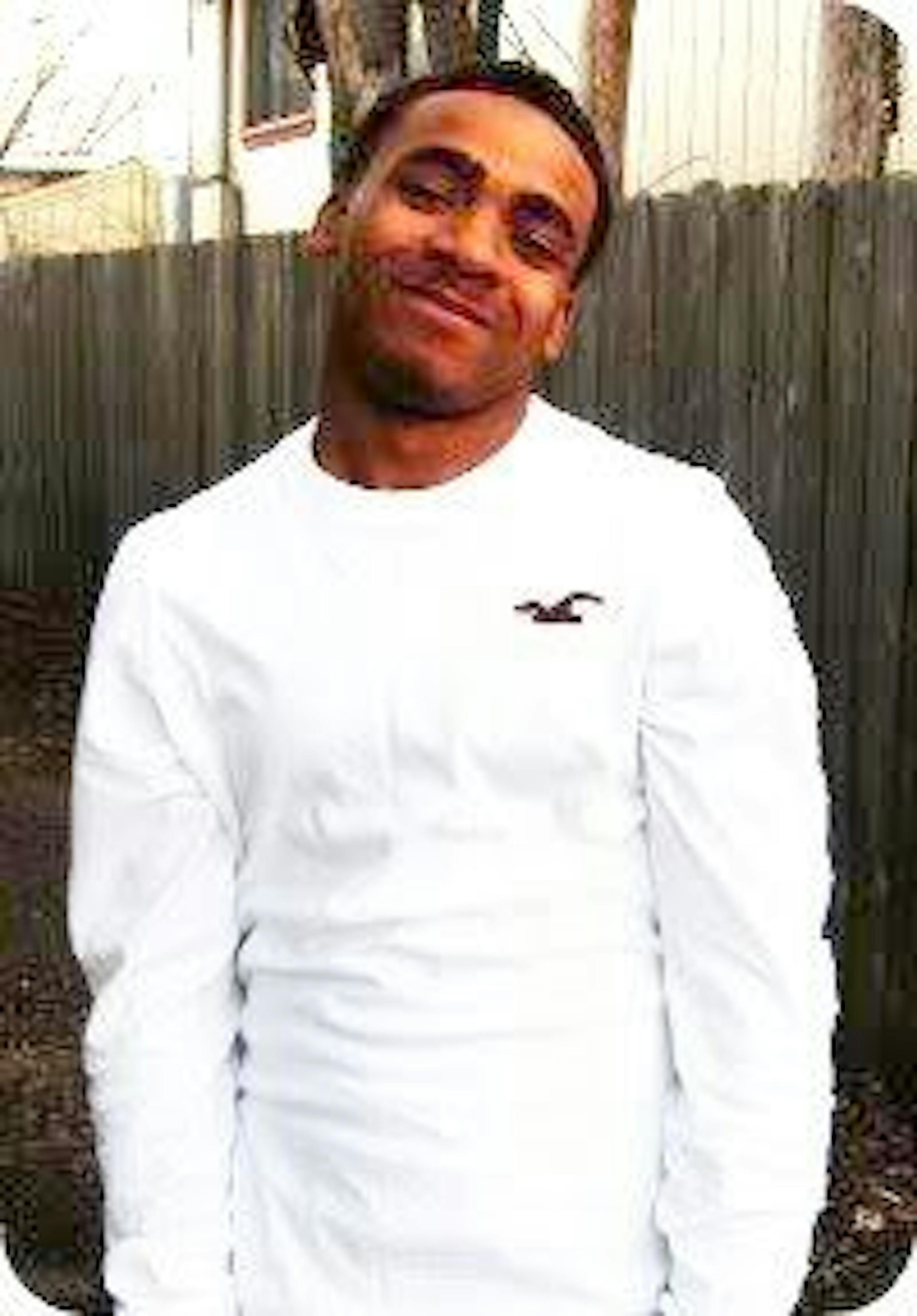
It's been more than two years since the death of Decari Antonio Starr, an 18-year-old from St. Paul who was shot in the chest in north Minneapolis and then dumped at North Memorial Medical Center.
There's almost nothing publicly known about his unsolved killing, but tucked away on the pages of Facebook, Starr, who was also known as "Pudda" or "Pudda Loc," has attained the higher profile of someone revered on the street because he was violently taken away.
There, friends of his call themselves "R.I.P. Pudda Loc," and post pictures of him and his gravestone. Some vow to avenge his death on pages where others mourn. On a Facebook picture of Starr's grave, one person wrote "rip big cuzzin your killer dieing this year."
Usually hidden from public view, the life of gangs weave in and out of some Facebook pages as kids wrapped up in Minneapolis gang life share their highs and lows on the social network. Posting in real time, their pages include hospital photographs after they've been shot, poses before the mirror with gang signs flashing, and a never-ending conversation rife with gang references, memorials to those who've been killed and threats to enemies.
"It's probably no different than any other kids, right?" said Minneapolis police Lt. Jeff Rugel. "They're sharing stuff that they used to do face-to-face or over the phone. But there's criminal stuff."
It was this sort of online back and forth between two Minneapolis gangs that helped fuel a series of house shootings last month that culminated in the killing of 5-year-old Nizzel George, according to police. He was found on a sofa in the front room of his grandmother's house, which was struck by a hail of bullets fired from outside. Two teenage boys have been charged with murder in Nizzel's death.
Rugel runs the police department's Strategic Information Center, where officers use technology to track crime. One of the jobs in his office amounts to monitoring Facebook full-time. They understand the teen slang and filter through thousands of innocuous and inane comments to look for the few that could solve a crime or stop one before it happens. They try to draw connections out of the Facebook networks to help document the shifting alliances on the street.
Police were aware of Facebook threats between rival gangs weeks before the shooting that killed Nizzel, but the threats weren't specific. When Rugel and his staff sees something that looks like trouble -- a known gang member says he's going to hurt someone -- they pass the information along to officers on the street.


