

For decades, famous Republicans campaigned by decrying the way we allow welfare cheats, food stamp scammers and all sorts of tax dodgers and deadbeats to take advantage of our government programs funded by America's hardworking taxpayers.
Indeed, Ronald Reagan campaigned for years by warning us about a "welfare queen." She was never identified, probably just a trope; but many Americans were sure they knew her type — they unfairly figured she was probably working her scams in some tax-funded public housing project. At a 1976 campaign rally, Reagan regaled us about how well she was living off our taxpayer dollars: "She used 80 names, 30 addresses, 15 telephone numbers to collect food stamps, Social Security, veterans' benefits for four nonexistent deceased veteran husbands, as well as welfare. Her tax-free cash income alone has been running $150,000 a year."
Fast-forward to today: President Donald Trump has called for reforming welfare, food stamps (now called "SNAP"), and other taxpayer-funded aid programs. Here's why: "People are taking advantage of the system." And he hates when that happens.
Today, we'll start by focusing on two other classic case histories: One is a perp who was actually living in our public housing when he pulled his little scam. The other got away with gaming the system for years — and coincidentally wound up living in that same public housing project. Maybe you know the place: It's a very old, but still-serviceable, two-story white building at 1600 Pennsylvania Avenue, in Washington, D.C.
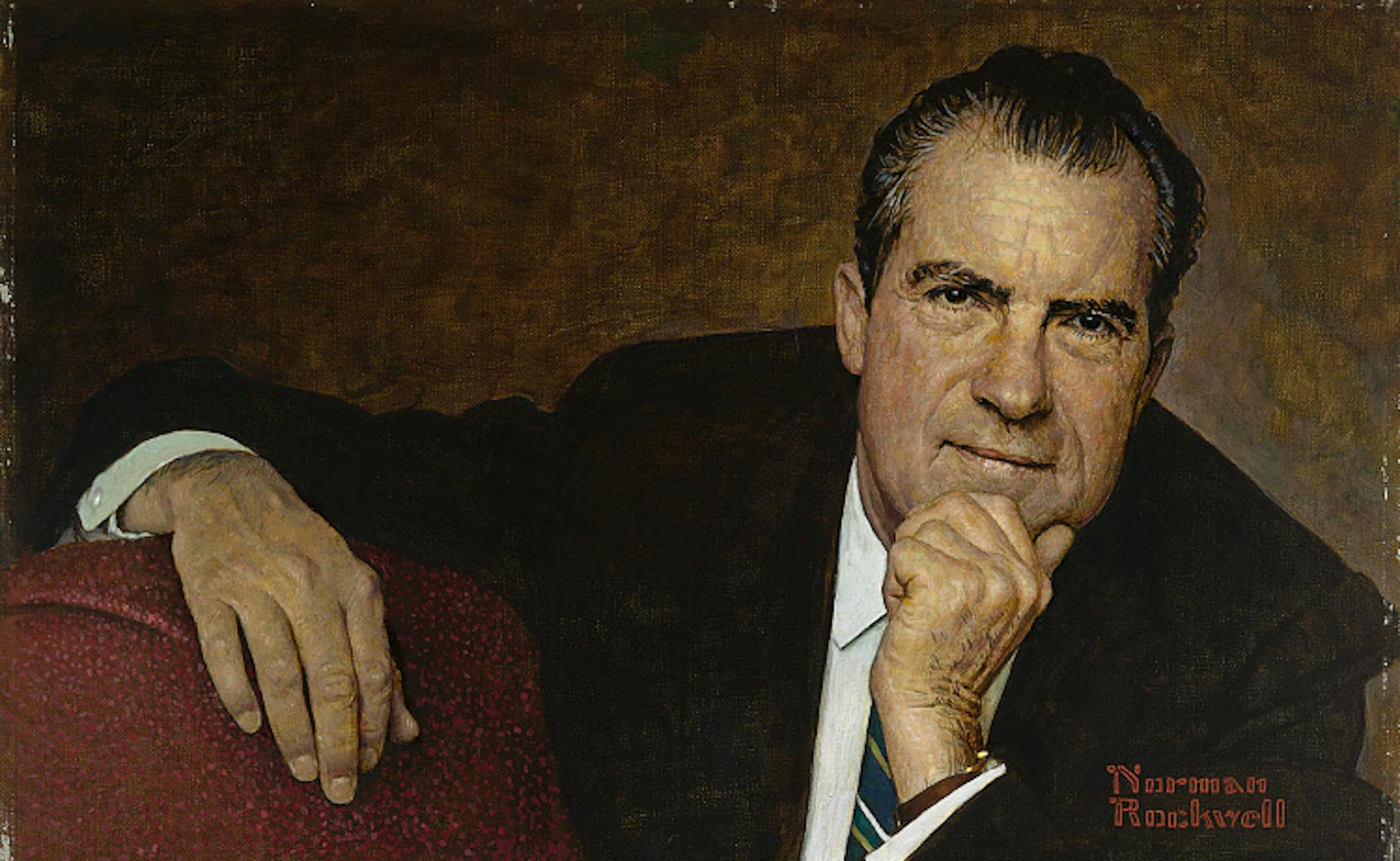
Rewind to 1969: President Richard Nixon discovered a way he could pay virtually no income taxes as president — by donating his pre-presidential papers to the government and claiming it as a tax-deduction. But then he found the provision had just been canceled and he missed the deadline. No problem: a notary donation deed was illegally backdated to April 21, 1969, so it would look legal. But then Nixon's caper was caught — he paid the Internal Revenue Service a big fine and an aide took the rap and went to jail.
Then, in 1974, Nixon paid another price when questioned about it in a prime-time news conference by Newsday's then-young journalist (whom I coincidentally just saw in my bathroom mirror this morning):
"Mr. President. April 21, 1969 was a significant day for you in taxes and for the country, too. That is the notary date on the deed that allowed you to give your (pre-presidential) papers to the government and pay token taxes just for two years.
"On that same date, you had a tax reform message in which you said, and I quote: 'Special preferences in the law permit far too many Americans to pay less than their fair share of taxes. Too many others bear too much of the tax burden.'


