Max Rymer is an underdog legislative candidate who had something important to say recently and took to Twitter to say it: "People have asked me about my position on Nickelback. I am against."
It was a smirking gesture meant to show that Rymer is a different kind of Republican: He has the musical taste to reject the polarizing pop band.
Don't go looking for Rymer's older Twitter posts, though: "We scrubbed our Twitter account a bit," he says sheepishly.
The same goes for Erin Maye Quade, a DFL newcomer running for an open House seat in Apple Valley: "Why distract with things I was saying to like 102 people for fun?" she asked.
Rymer, 25, and Maye Quade, 30, embody a new generation's new politics: They use social media to create a personal political brand from nothing, one that is fresh, irreverent and broadly appealing to the roughly 75 million Americans between ages 18 and 34.
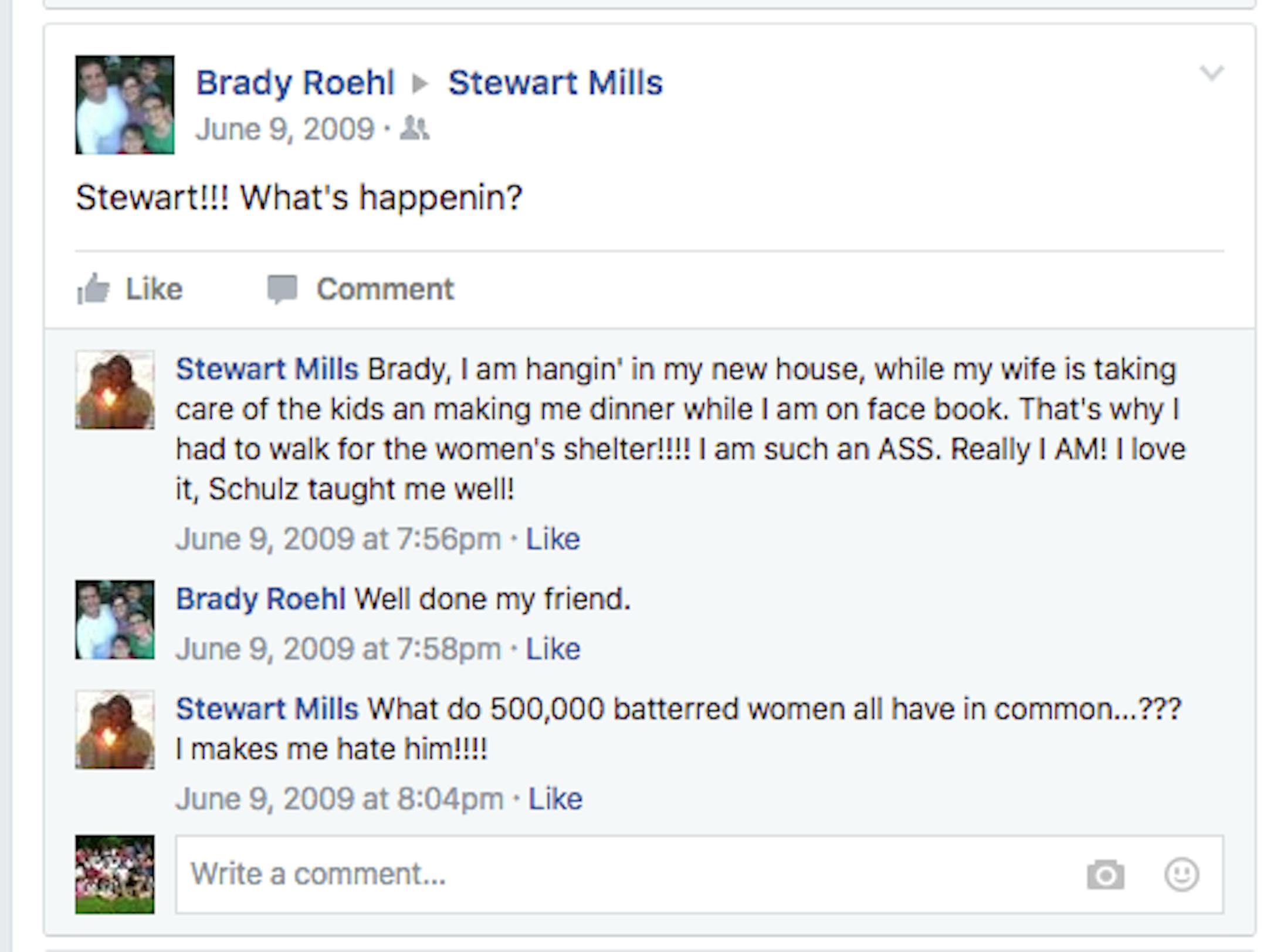
But having lived their lives online, candidates often leave behind a wealth of forgotten posts: Slapdash opinions and bawdy jokes have the potential to destroy a candidate when put in the hands of rivals.
It's called "context collapse," when a personal aside or offbeat photo can suddenly reach millions or even billions of people.
David Karpf, assistant professor of media and public affairs at George Washington University, has a favorite example from 2010, when photos surfaced of Virginia Democratic congressional candidate Krystal Ball and her husband engaged in some risqué humor at a Christmas party six years earlier.