The last time David Thoreson stared down the Northwest Passage from the bow of a sailboat, a claim few Iowa boys can make — heck, hardly anyone can make, the open expanse of Arctic Ocean stunned him into silence.
Where was the ice?
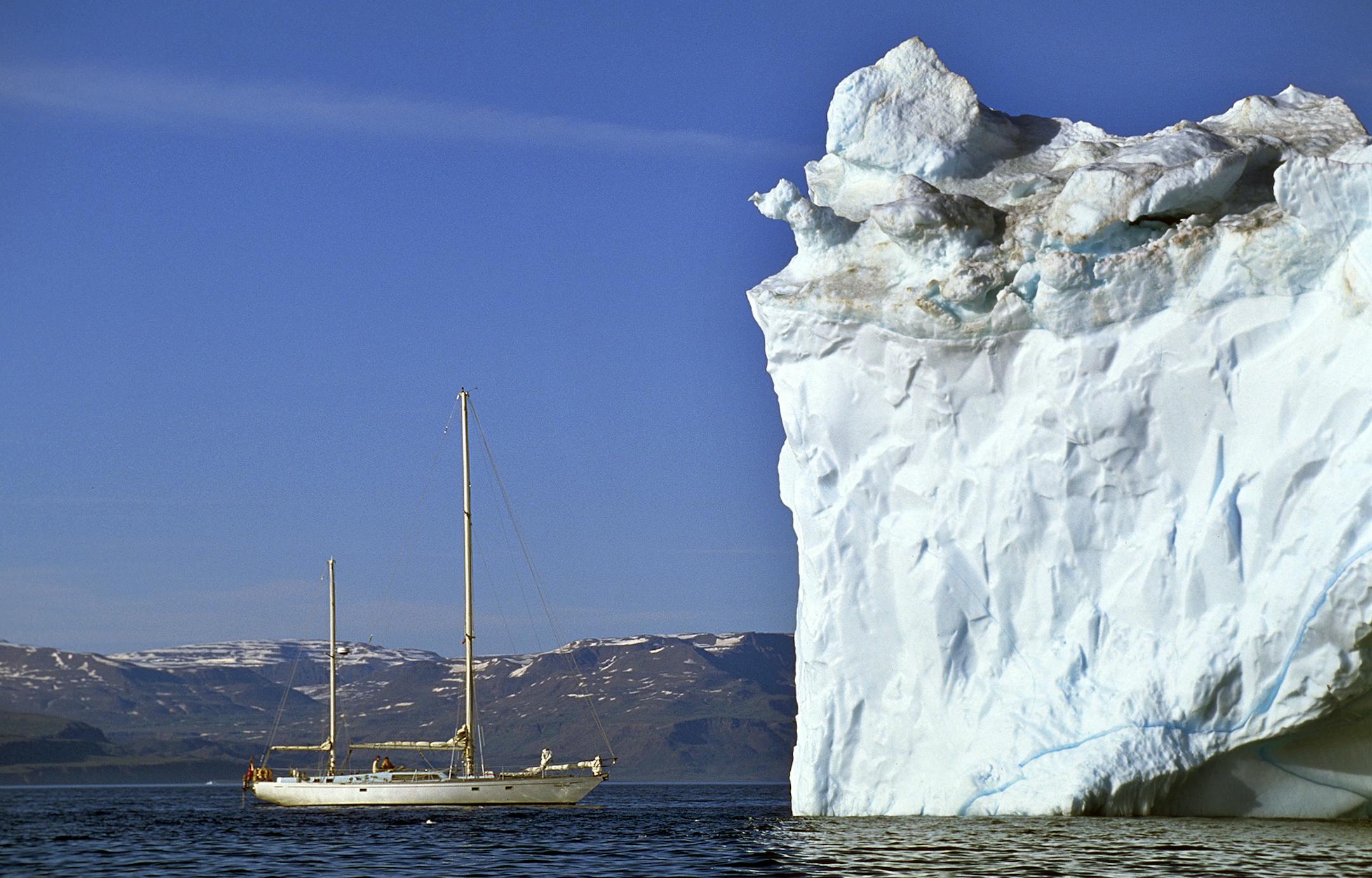
"We were utterly shocked," he wrote in his journal in 2007. He'd gazed down the same channel 13 years earlier with Roger Swanson, a Minnesota farm boy, in an attempt to transit 6,000 miles of Arctic Ocean aboard the Cloud Nine, a ketch with Swanson's hometown of Dunnell (Minn.) painted on its stern. (More on the phenomenon of the seafaring farmers in a bit.)
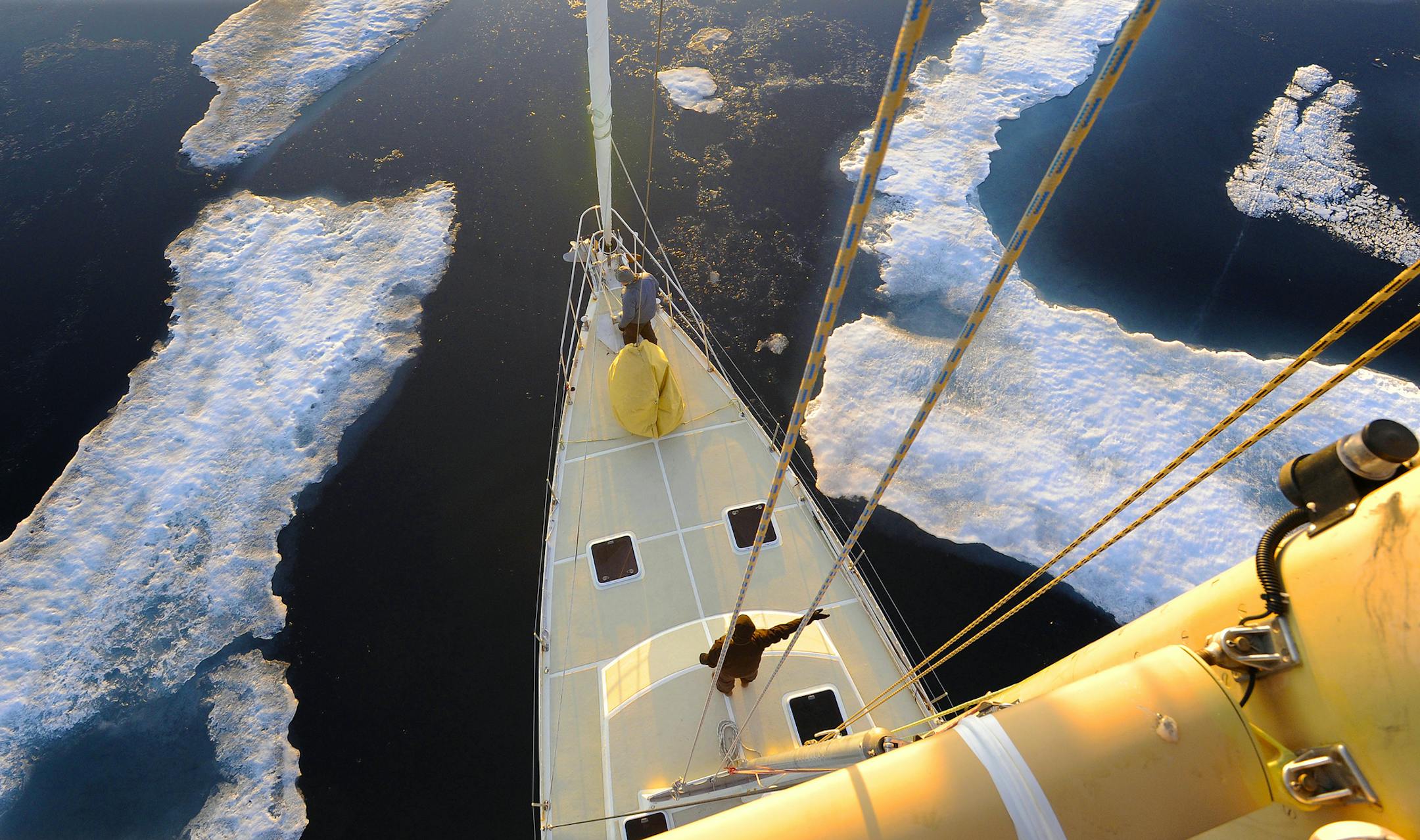
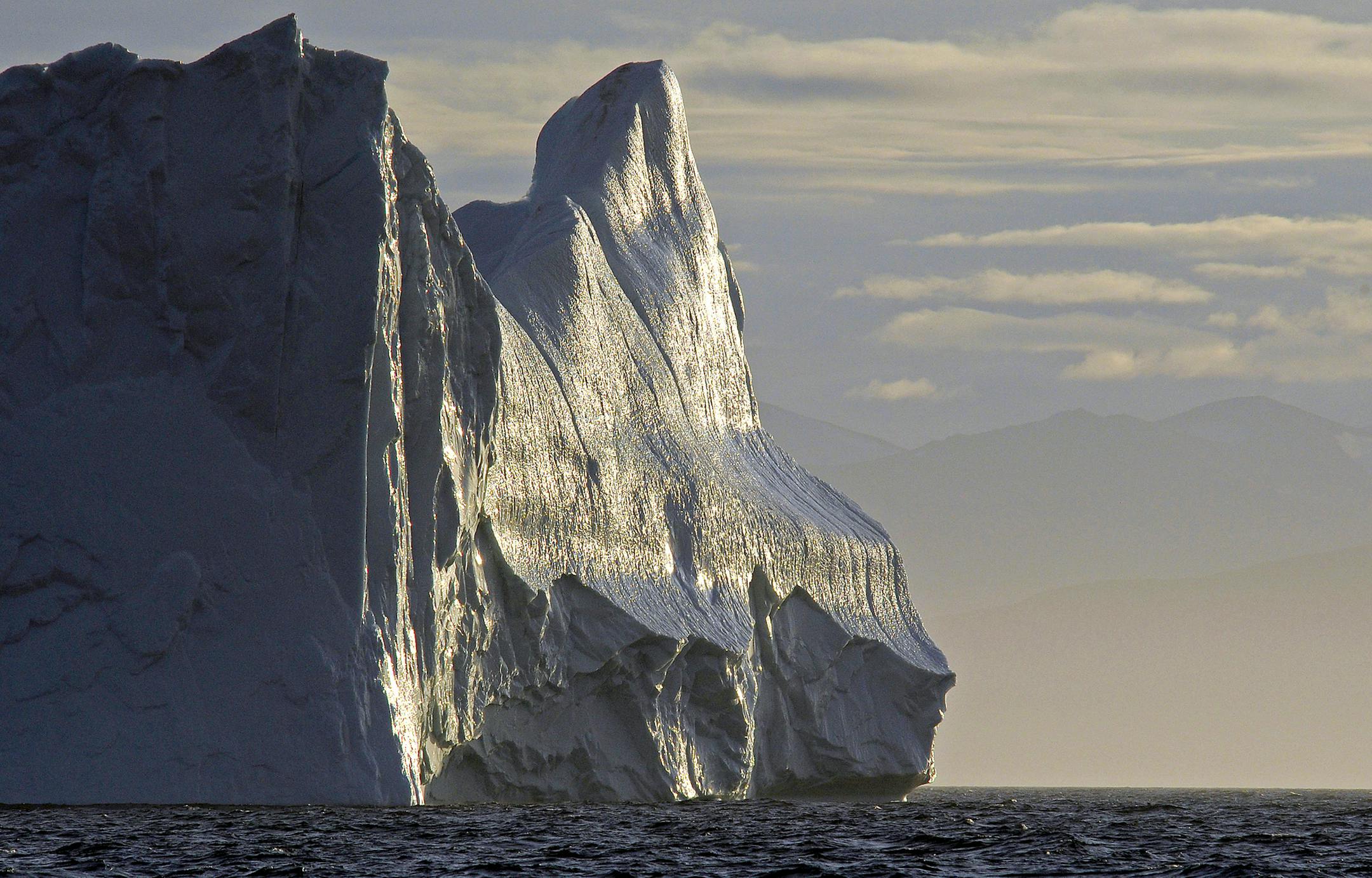
Cloud Nine then was thwarted by pack ice in the Barrow Strait and turned back. Now the boat sailed free. Icebergs were disintegrating. Brown earth emerged from the shoulders of snow-capped peaks.
"This is good for us, but not so good for the planet," Thoreson wrote.
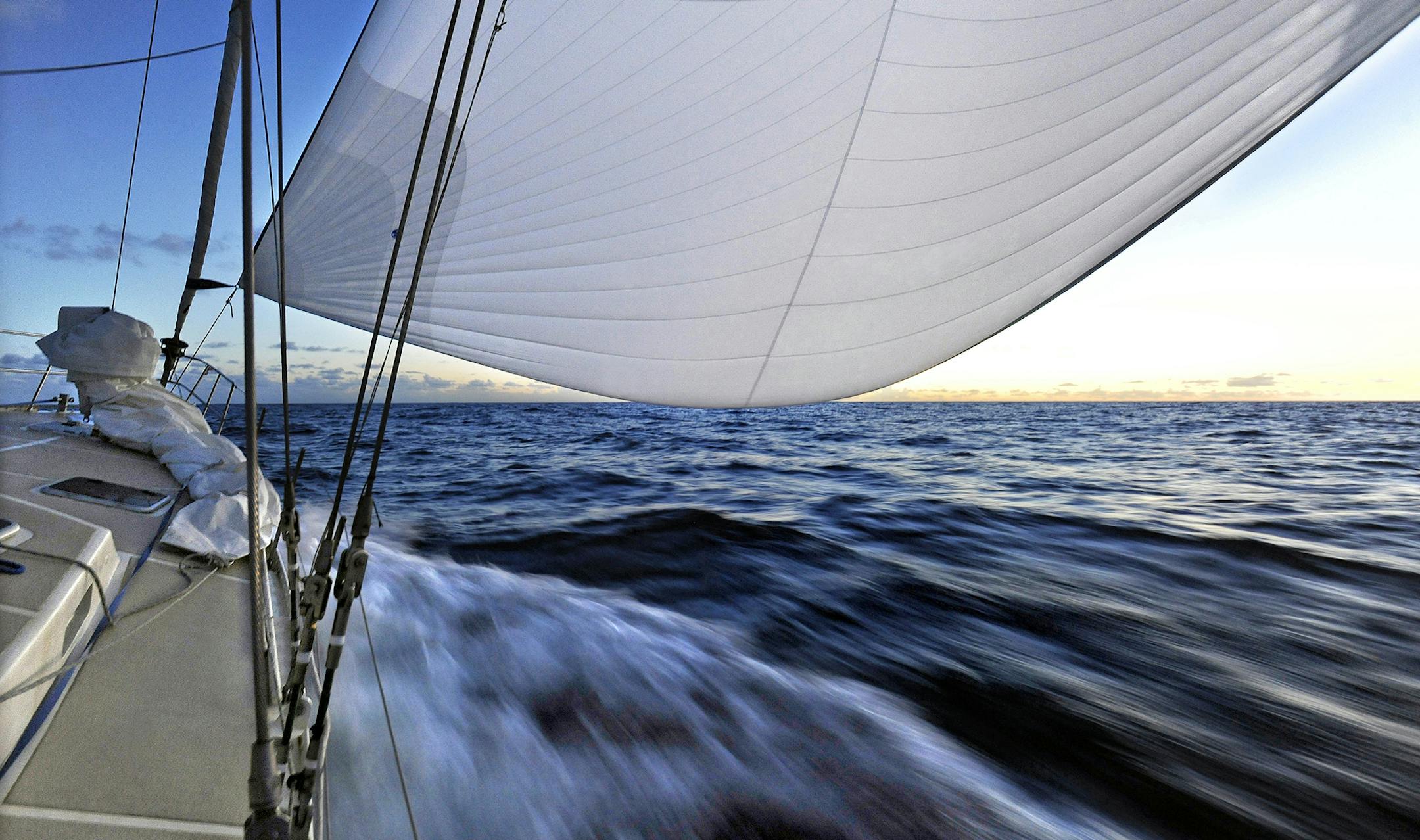
Today, Thoreson has merged his work as a professional photographer with accounts of his sailing voyages to Antarctica, through the Northwest Passage and an unusual circumnavigation of North and South America from the Arctic to the Antarctic oceans.
The result is a lush photo memoir, "Over the Horizon: Exploring the Edges of a Changing Planet." An exhibit of his photos opens March 31 at Norway House in Minneapolis, and will be in place through May 7.
Today, Thoreson, 57, seeks to help people grasp the implications of climate change — not always easy when its evidence can be as subtle as tulips in March or as distant as glaciers in Antarctica. In many ways, his work harks back to how his boyhood fantasies in landlocked Iowa inspired a passion for the even more immense horizons of the sea.