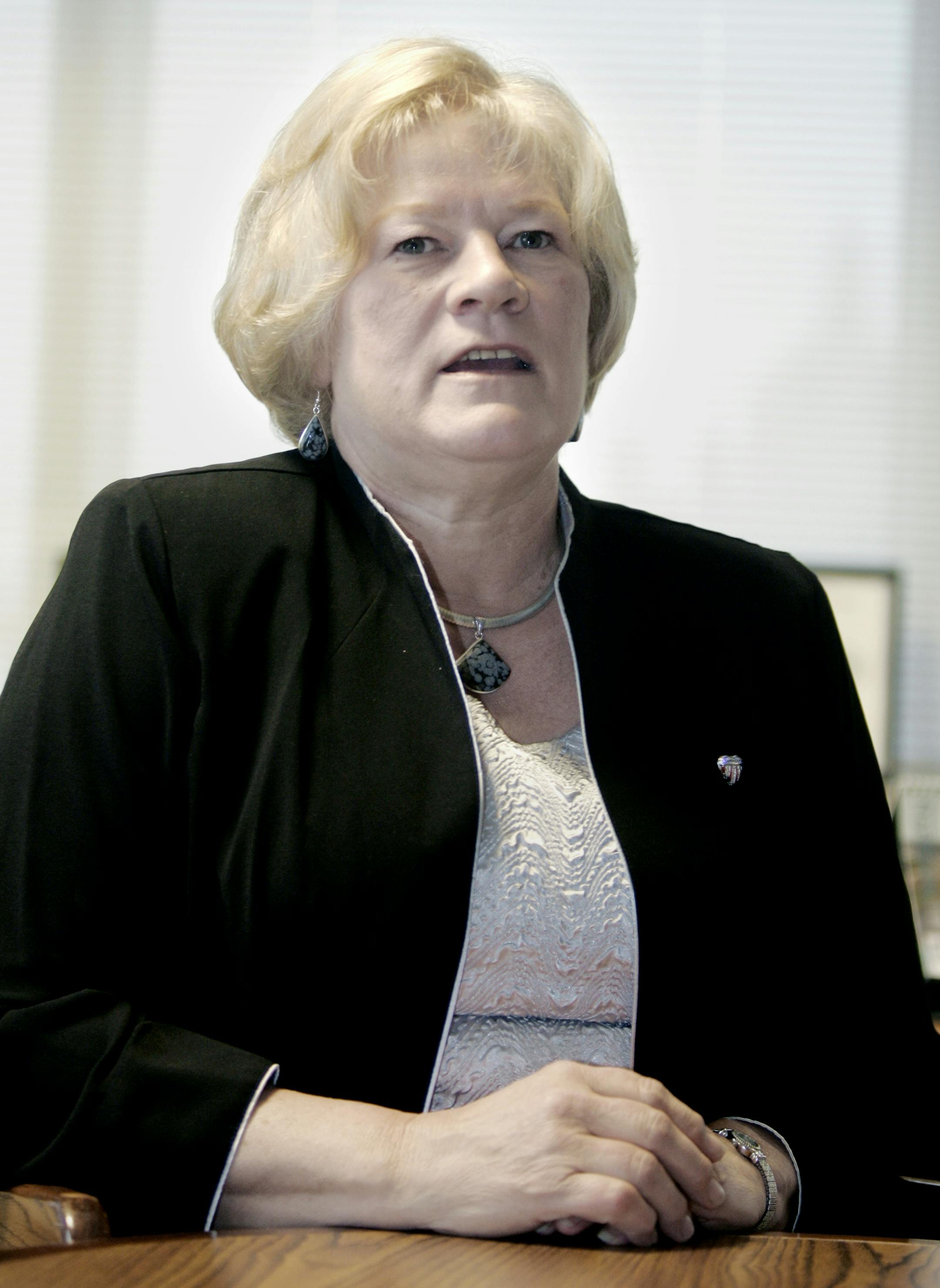
Lieutenant Gov. Carol Molnau has spent four months avoiding unpleasant news stories (she says she ignores them) about the Minnesota Department of Transportation, which she ran without close scrutiny of her leadership until Aug. 1.
That was the day -- four months ago -- when the most-inspected bridge in the state collapsed, killing 13 people. And when the Pawlenty-Molnau administration started scrambling for cover.
Two weeks after the fall of the Interstate 35W bridge, Molnau stopped answering most questions about her department and her decisions. She has declined repeated interview requests from the Star Tribune newsroom since mid-August. To help get her back in the habit of answering questions, I have included a dozen pertinent queries at the end of this column.
This is sadly necessary because, in carefully choreographed interviews, Molnau has been waging a public relations campaign not on behalf of enlightening the taxpayers, but on behalf of saving her own hide.
At least one poll shows Minnesotans want Molnau to resign as transportation commissioner. But Molnau remains in the job Gov. Tim Pawlenty assigned to her, serving the governor the way a back-yard hay bale helps keep Little Jimmy's arrows from hitting the side of the house.
Taking the hit for Pawlenty is politics. But when she took the helm of MnDOT, Molnau was no longer merely a politician. She was a public servant. And she is doing the public no good by staying in her job for political reasons.
Molnau has ducked journalists and legislators who want to ask in-depth questions about the maintenance debates that took place before the bridge fell, or the spin-control efforts that followed (MnDOT decided within hours of the collapse to hire an outside consulting firm -- for $2 million, the same price as the plan to strengthen the bridge that had earlier been rejected).
Most of these woe-is-me exchanges have boiled down to questions of the "How are you holding up" variety. (Short answer: Better than the bridges). Molnau cried on one newscast as she described visiting the bridge and shed tears on another station when asked if the collapse had changed her life.