

Pretty much the least interesting thing there is to know about Andrew McCarthy? He was a charter member of Hollywood's Brat Pack.
The most interesting thing about that? That he ever belonged to anything. Or anyone, for that matter.
"How many things had I walked away from in my life because I hadn't been able to commit?" McCarthy, 49, asks, not at all rhetorically, in the opening pages of "The Longest Way Home," his startlingly original new memoir.
Unlike fellow Brat Packer Rob Lowe's recent nonstop dish-athon (and those of just about every other Hollywood memoirist), McCarthy doesn't regale readers with the many juicy roles he turned down over a three-decade career -- or the many starlets he didn't.
Instead, "The Longest Way Home" is a lyrical, yet unsparing account of the extraordinary lengths that McCarthy, the consummate ensemble player in such 1980s cinematic touchstones as "St. Elmo's Fire," "Less Than Zero" and -- let us all bow our heads in respect -- "Weekend at Bernie's" (I and II), went on to discover and ultimately confront his commitment demons.
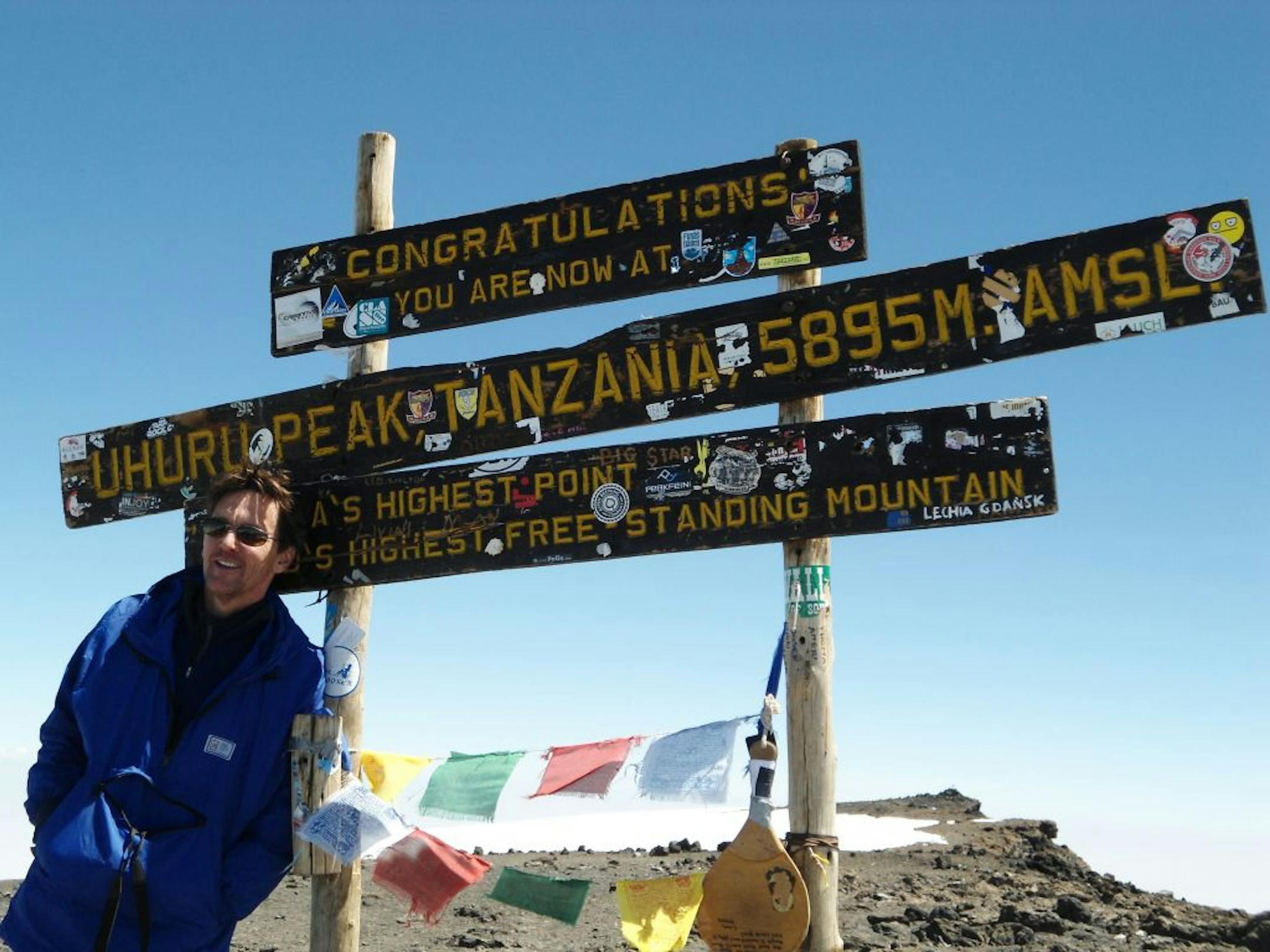
"I was writing the book, in a large way, to solve this sort of personal dilemma I had," McCarthy said recently by phone. He was talking about the stranger-than-any-fiction story that begins with him getting engaged to the mother of his young daughter (he also has a son by his first marriage) and then instantly becoming a serial bolter who heads out solo to such far-flung spots as Patagonia and the Amazon.
"The book," he said, "isn't really a travel book at all." Still, "The Longest Way Home" is organized as an arc of travel essays, and some very good ones at that.
That's hardly surprising given the admittedly surprising detour McCarthy has taken off the standard issue Hollywood Thespian's Career Map. A knack for discovering places -- or new meaning in old ones -- allowed him to morph into a unique working journalist/movie star hybrid about a decade ago.


