

Hennepin County Attorney Mike Freeman expressed unwavering confidence Thursday that he made the right call in not prosecuting the two Minneapolis officers involved in the shooting death of Jamar Clark. But Freeman also questioned whether police could have avoided using deadly force during the altercation.
Pointing to the DNA evidence as a "truth serum," Freeman said the case would not have been handled differently if a special prosecutor from outside Hennepin County reviewed the same evidence. A tense, dangerous and fast-moving situation justified the use of deadly force, he said.
Despite his satisfaction with his decision to clear the officers — he declined the more conventional step of taking the case before a grand jury — Freeman said he felt compelled to contemplate how the 24-year-old's Nov. 15 altercation with officers Dustin Schwarze and Mark Ringgenberg could have ended differently.
It was the first question he asked himself after reviewing videos and the thousands of pages of evidence that he released to the public Wednesday.
"After I reviewed the evidence, I started to think of other questions the public would want answered," he said.
In particular, he wondered where were the Tasers? Could those stun guns have been used on Clark instead of a firearm?
Roughly 60 percent of the Minneapolis patrol officers are equipped with one of the devices, according to police. Earlier this year the department cited cost ($1,500 per officer) as a factor in the limited number of devices available.
On Thursday, police spokesman Scott Seroka said that "generally, newer officers aren't issued Tasers as we have a limited number of them." Ringgenberg and Schwarze were each about 13 months into their jobs with the department at the time of their confrontation with Clark.
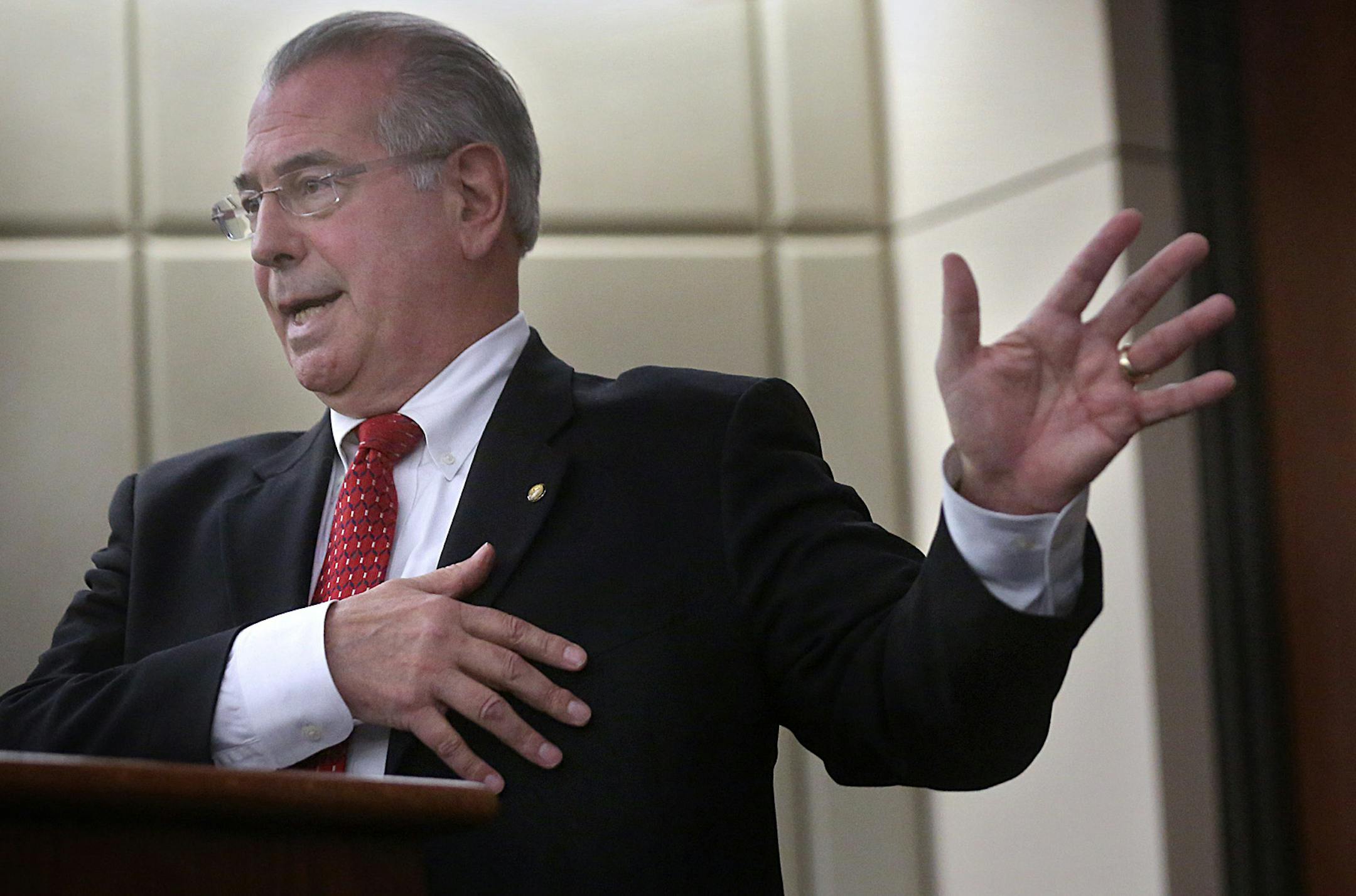
![Hennepin County Attorney Mike Freeman announced that he will not file criminal charges against the two police officers involved in the shooting. ] JIM GEHRZ ï james.gehrz@startribune.com /Minneapolis, MN / March 30, 2016 9:30 AM - BACKGROUND INFORMATION: Hennepin County Attorney Mike Freeman announced his decision on whether to criminally charge police officers in the shooting death of Jamar Clark.](https://arc.stimg.co/startribunemedia/LXD4DZIBDQ5ZWOR5IPVTBY5FHE.jpg?&w=1080)
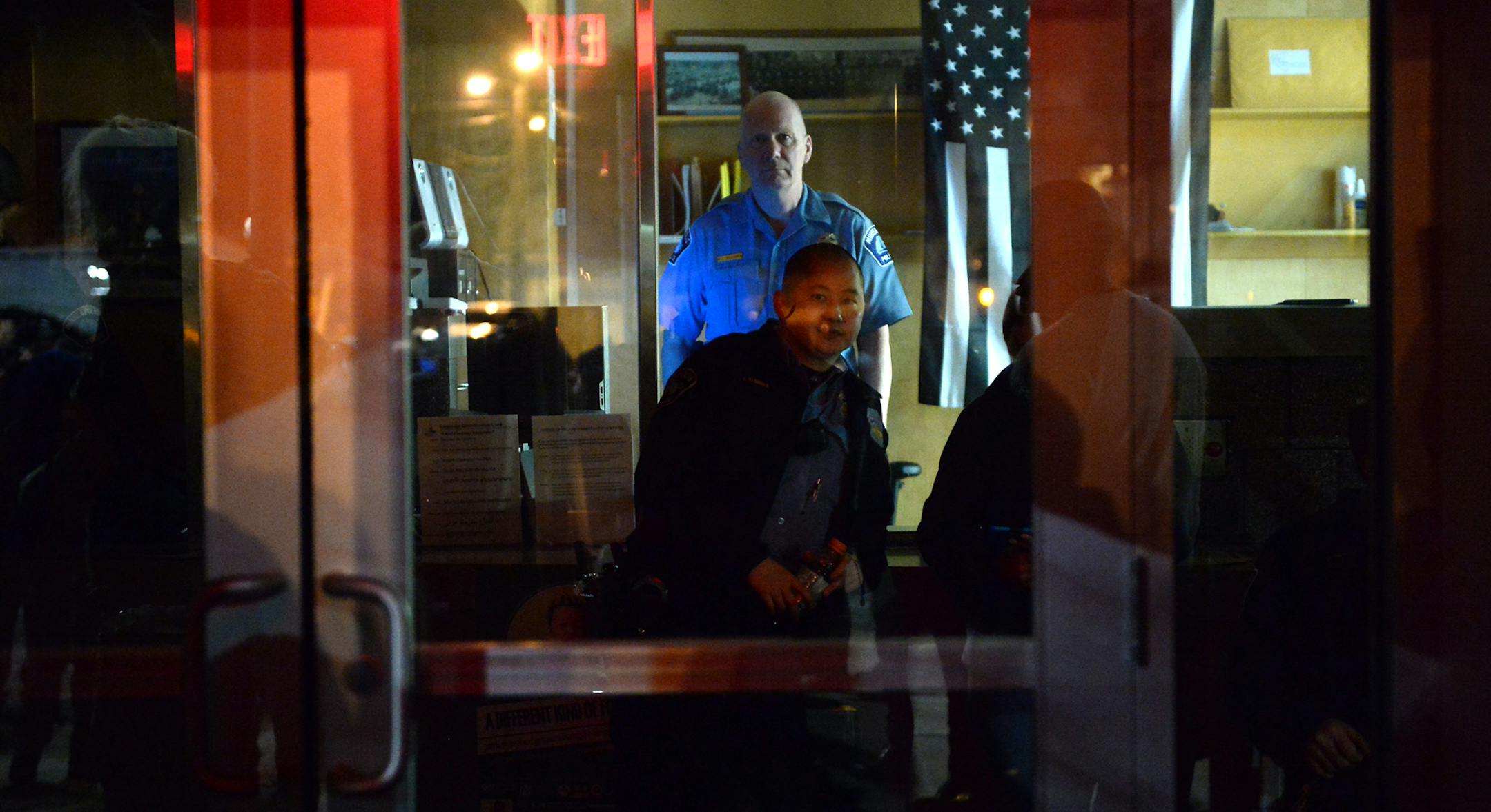
djoles@startribune.com The day after coverage of the decision not to charge police officers in the shooting of Jamar Clark.](https://arc.stimg.co/startribunemedia/XIPCVEC7WV3E7BDTSTWAZTHG7A.jpg?&w=1080)
djoles@startribune.com The day after coverage](https://arc.stimg.co/startribunemedia/X2PCEL4FX6F5KGSL7MBWSKIILM.jpg?&w=1080)


